
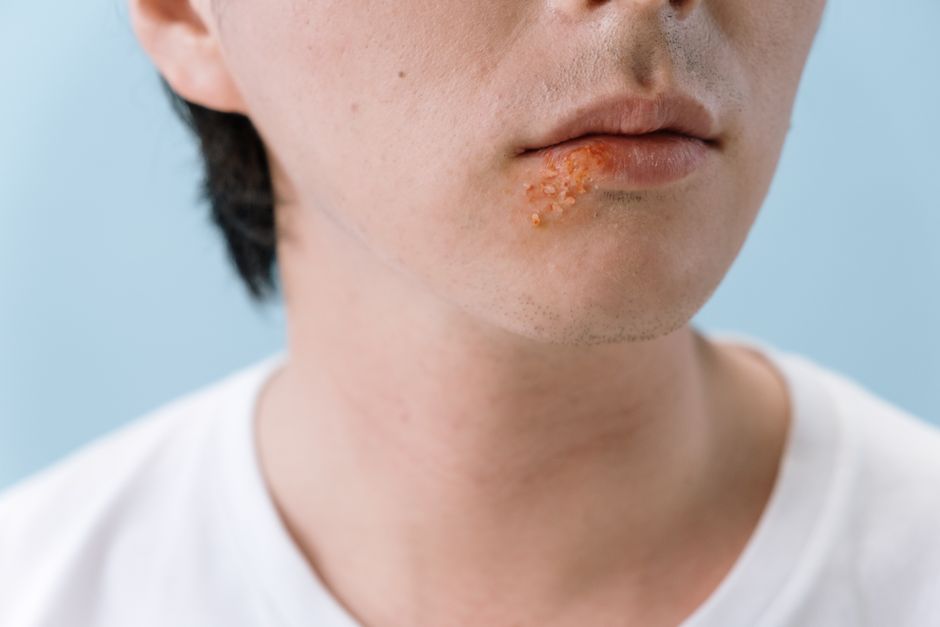
Cold sores are small, fluid-filled blisters that form on or around the lips, and they are caused by the herpes simplex virus type 1 (HSV-1). The most effective thing you can apply is an antiviral medication — either a prescription cream such as acyclovir or penciclovir, or an over-the-counter cream like docosanol. These work best when started at the very first tingle, before the blister appears. For symptom relief between antiviral applications, a lip balm, cool compress, or over-the-counter pain gel can help. Nothing you apply will cure the virus or remove it from your body. Antivirals shorten and soften outbreaks; they do not eliminate the infection.
What actually works on a cold sore?
Antiviral creams are the only topical products with solid evidence behind them for treating cold sores. Three are widely available in the US.
- Acyclovir cream — prescription strength. Typically applied several times daily for several days.
- Penciclovir cream — prescription. Applied every two hours while awake for four days in most regimens.
- Docosanol 10% cream — available over the counter. Applied five times daily, generally until the sore heals.
These medications do not kill the virus outright. They interfere with how HSV-1 copies itself inside skin cells, which can reduce how long the outbreak lasts and how severe it gets. The catch is timing. Once a blister has fully formed, the window where antivirals help most has largely passed. Starting at the first tingle — that faint itch, burn, or tightness before anything visible appears — is when these products do the most good.
Oral antivirals (acyclovir, valacyclovir, famciclovir) are prescription pills a doctor may prescribe for frequent or severe outbreaks. For some people with very frequent cold sores, a clinician may recommend daily suppressive therapy. That is a decision for a doctor, not something to self-manage.
What can I apply for pain and comfort?
Antivirals treat the infection. They do not do much for the sting. For comfort, several simple options help.
- A cool, damp cloth held gently against the sore can ease burning and itching.
- Plain lip balm or petroleum jelly can keep the area from cracking and reduce the urge to pick at it.
- Over-the-counter topical anesthetics containing benzocaine or lidocaine numb the area temporarily.
- Oral pain relievers like acetaminophen or ibuprofen can reduce discomfort and inflammation.
Use a separate applicator or clean finger for anything you put on the sore, and wash your hands right after. Cold sores are contagious, and touching them is the main way the virus spreads to other parts of your own skin or to other people.
What should I avoid putting on a cold sore?
Many home remedies are popular but not supported by evidence, and some can irritate the sore or spread the virus.
Toothpaste is a common suggestion. There is no clinical evidence it helps, and the abrasives and ingredients in it can dry out and irritate broken skin. Petroleum jelly is fine for moisture, but it will not treat the infection. Lemon juice, apple cider vinegar, garlic, and hydrogen peroxide are frequently recommended online. These are acidic or harsh and can damage the already-inflamed skin, sometimes making the outbreak worse. No controlled studies support them for cold sores.
Also avoid touching or squeezing the blister. Popping it does not speed healing and increases the chance of spreading the virus to your fingers, eyes, or other people. If you wear contact lenses, do not wet them with saliva or handle them after touching a cold sore — HSV can infect the eye, which is a serious problem that needs medical care.
Does lysine or other supplements help?
Lysine is one of the most searched remedies for cold sores. The idea is that lysine, an amino acid, may block the virus from using another amino acid called arginine to replicate. The theory is plausible. The human evidence is not.
Some small studies have looked at oral lysine for preventing or treating outbreaks, and results have been mixed and generally weak. Topical lysine creams have even less support. There is no strong clinical evidence that lysine reliably shortens or prevents cold sores. If you want to try it, it is generally considered low risk for healthy adults, but it is not a proven treatment and should not replace an antiviral.
Other supplements marketed for cold sores — zinc, vitamin C, various herbal blends — have limited or no human trial evidence for this specific use. Be cautious of any product claiming to cure cold sores. Nothing cures HSV-1.
When should I see a doctor about a cold sore?
Most cold sores heal on their own in about one to two weeks without treatment, and antivirals can shorten that. Certain situations call for medical care rather than self-treatment.
- You have a weakened immune system from illness, medication, or a condition like HIV.
- The sore is near or in your eye, or you have eye pain, redness, or blurred vision.
- You have a widespread outbreak, or sores inside your mouth that make eating or drinking hard.
- The sore is unusually large, spreading, or not improving after about two weeks.
- You have frequent outbreaks and want to discuss daily preventive treatment.
Newborns and infants who develop cold sores need prompt medical attention. HSV can be dangerous in very young babies, whose immune systems are not fully developed. Do not apply home remedies to a baby’s cold sore — call a doctor.
How do I keep from spreading a cold sore?
HSV-1 spreads through direct skin contact — kissing, sharing utensils, or touching the sore and then touching someone else. The virus is most contagious when a blister is present and weeping, but it can spread even when no sore is visible.
During an outbreak, keep your hands clean, avoid kissing, do not share towels, lip balm, cups, or utensils, and wash items that touch your face. Avoid close contact with babies and anyone with a weakened immune system until the sore has fully crusted and healed.
Once you have HSV-1, it stays in your body for life and can reactivate. Common triggers include sun exposure, stress, fatigue, illness, and hormonal changes. Using lip balm with sun protection and managing stress may reduce how often outbreaks happen for some people, though the evidence on triggers is based largely on patient reports rather than controlled trials.
Frequently Asked Questions
What is the fastest thing to put on a cold sore?
An antiviral cream started at the first tingle is the fastest-acting option, because it targets the virus during its early replication. Prescription acyclovir or penciclovir, or over-the-counter docosanol, are the evidence-backed choices.
Can I use toothpaste on a cold sore?
No, there is no clinical evidence that toothpaste helps a cold sore, and it can irritate the skin. Use an antiviral cream or a plain lip balm instead.
Does lysine actually work for cold sores?
The evidence for lysine is mixed and generally weak, so it is not a proven treatment. It is not a substitute for an antiviral medication.
How long does a cold sore last?
Most cold sores heal in about one to two weeks without treatment, and antivirals may shorten that time. See a doctor if a sore lasts longer than about two weeks or keeps spreading.
