
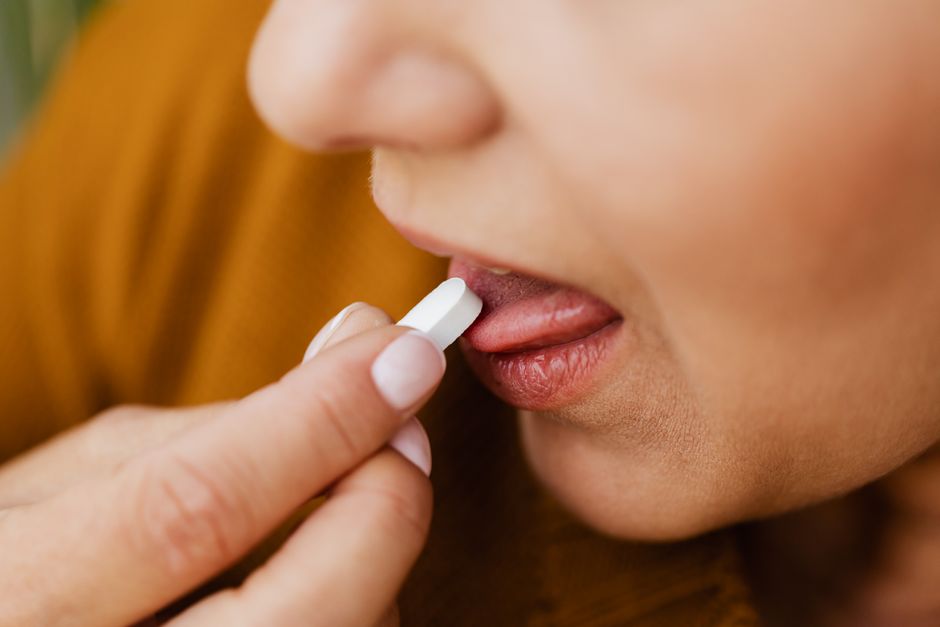
Trazodone is usually taken about 30 to 60 minutes before you want to fall asleep. That timing applies whether you take the immediate-release tablet or the extended-release version, though the extended-release form is typically taken closer to bedtime with a snack. The goal is to have the drug reaching meaningful blood levels right as you get into bed, not hours before or after.
Getting that window right matters more than most people realize. Take it too early and the sedating effect may wear off before you’re actually lying down. Take it too late and you could still feel groggy when the alarm goes off. For most people, the practical answer is simple: take it at the same time every night, roughly half an hour before your head hits the pillow.
What Time Should I Take Trazodone For Sleep?
The standard guidance is to take trazodone 30 to 60 minutes before bedtime. This isn’t arbitrary. Trazodone is absorbed fairly quickly, and its peak concentration in the blood tends to occur within about an hour to two hours after you swallow a tablet. The sedating effect builds as blood levels rise.
If you take it and then stay up watching television or scrolling on your phone, you’re spending the drug’s most useful window on activities that keep you alert. The medication doesn’t force sleep. It makes sleep more likely when you’re actually in a position to sleep.
There’s a second reason timing matters. Trazodone is a prescription antidepressant that is used off-label for insomnia at lower doses than those used for depression. At the doses commonly prescribed for sleep, the drug’s strongest effect is sedation. That effect has a curve — it rises, plateaus, and falls. Aligning that curve with your time in bed is the whole point.
One practical detail: “bedtime” should mean the time you actually intend to sleep, not the time you start getting ready for bed. If your wind-down routine takes 45 minutes, taking the pill at the start of it may mean you’re already drowsy before you’ve brushed your teeth.
How Long Does Trazodone Take to Work?
Most people notice the sedating effect within 30 to 60 minutes of taking a dose. The drug reaches peak blood levels somewhere around one to two hours after ingestion for the immediate-release form.
That said, “working” for insomnia is not the same as “knocking you out.” Trazodone helps sleep onset for many people, but it is not a guarantee. Some people feel a clear wave of drowsiness. Others notice only a mild pull toward sleep. Response varies considerably from person to person.
The extended-release formulation behaves differently. It’s designed to release the drug more slowly, so it may take longer to produce its effect and is generally taken with food. Immediate-release trazodone is the form most often prescribed for sleep.
If you’ve been taking trazodone for a while and it no longer seems to help, that’s worth a conversation with your prescriber rather than a reason to adjust the dose on your own. Tolerance, underlying sleep issues, and other factors can all play a role.
Should You Take Trazodone With Food or on an Empty Stomach?
Food changes how trazodone is absorbed, and the effect depends on which form you take.
- Immediate-release trazodone: Taking it with food can increase how much of the drug gets into your bloodstream. That can make the sedating effect stronger than expected. Many clinicians suggest taking it on an empty stomach or with a light snack to keep absorption more predictable.
- Extended-release trazodone: This form is generally taken with food, and the prescribing information specifically notes that a consistent approach matters. Taking it with a similar meal each night helps keep blood levels steady.
The bigger point is consistency. If you take trazodone with a heavy meal one night and on an empty stomach the next, the effect can feel quite different. Pick an approach and stick with it unless your prescriber tells you otherwise.
What Happens If You Take Trazodone Too Early or Too Late?
Timing errors produce predictable problems.
Take it too early and the peak sedating effect may arrive while you’re still active. You could feel heavy, foggy, or unsteady before you’re ready for bed. By the time you lie down, the strongest part of the effect may have passed.
Take it too late and you risk what’s often called a “hangover” effect the next morning. That grogginess, difficulty concentrating, or slowed thinking happens because the drug is still active in your system when you wake up. Trazodone’s effects can last several hours, and sleep duration doesn’t always match drug duration.
There’s also a safety consideration. Trazodone can cause drowsiness, dizziness, and a drop in blood pressure when you stand up. If you take it and then need to be awake and moving — driving, caring for a child, handling anything that requires alertness — you’re putting yourself at risk. This is one reason the medication is taken at bedtime rather than earlier in the evening.
Does Trazodone Timing Affect Next-Day Grogginess?
Yes, and this is one of the most common complaints people have about the drug.
Next-day grogginess depends on several things: the dose, how quickly your body clears the medication, how much sleep you actually got, and when you took the dose relative to bedtime. A person who takes trazodone at 9 p.m. and wakes at 6 a.m. has a longer window for the drug to clear than someone who takes it at midnight and wakes at 5 a.m.
Some people metabolize trazodone more slowly than others. That’s partly genetic and partly related to liver function, since the liver processes the drug. Age can matter too — older adults often clear medications more slowly.
If morning grogginess is a persistent problem, that’s information your prescriber needs. It may point to a dose that’s too high, a timing issue, or a medication that isn’t the best fit. Don’t simply push through it or adjust the schedule on your own.
Can You Take Trazodone at a Different Time Each Night?
You can, but it’s not ideal. Taking trazodone at roughly the same time each night keeps blood levels more predictable and makes the sedating effect easier to anticipate.
Shift work, travel across time zones, and irregular schedules all complicate this. If your sleep schedule varies a lot, that’s worth discussing with your prescriber. The right timing for someone who works nights is not the same as for someone with a standard daytime schedule.
What you should not do is take a missed dose close to the time of your next scheduled dose, or double up to “catch up.” Trazodone is a prescription medication, and dose decisions belong with your prescriber.
What Else Affects How Trazodone Works at Night?
Timing is one variable among several. Others include:
- Other medications: Many drugs interact with trazodone, including other antidepressants, some antibiotics, and certain pain medications. Some interactions increase sedation; others affect how the drug is broken down.
- Alcohol: Combining alcohol with trazodone increases drowsiness and impairment. This combination is generally advised against.
- Caffeine and screens: Stimulants close to bedtime work against any sleep medication.
- Underlying sleep disorders: If you have sleep apnea or another condition, a sedating medication may not address the real problem — and in some cases could worsen it.
Trazodone is not a first-line treatment for chronic insomnia in most clinical guidance. It’s commonly prescribed off-label, and it does help many people. But it works best as part of a broader approach that includes sleep habits, addressing underlying causes, and regular check-ins with your prescriber.
Frequently Asked Questions
How many minutes before bed should I take trazodone?
Take it about 30 to 60 minutes before you plan to be in bed. This timing lets the drug reach useful blood levels as you’re settling in to sleep.
Can I take trazodone 2 hours before bed?
You can, but the sedating effect may peak before you’re actually lying down. For most people, 30 to 60 minutes before bed aligns the effect better with sleep.
What if I take trazodone and don’t fall asleep?
Don’t take another dose. Stay calm and avoid bright screens, and mention the pattern to your prescriber, since it may mean the dose or medication needs review.
Does trazodone work right away for sleep?
Most people notice a sedating effect within 30 to 60 minutes of a dose. It’s not instant, and how strongly it works varies from person to person.
