
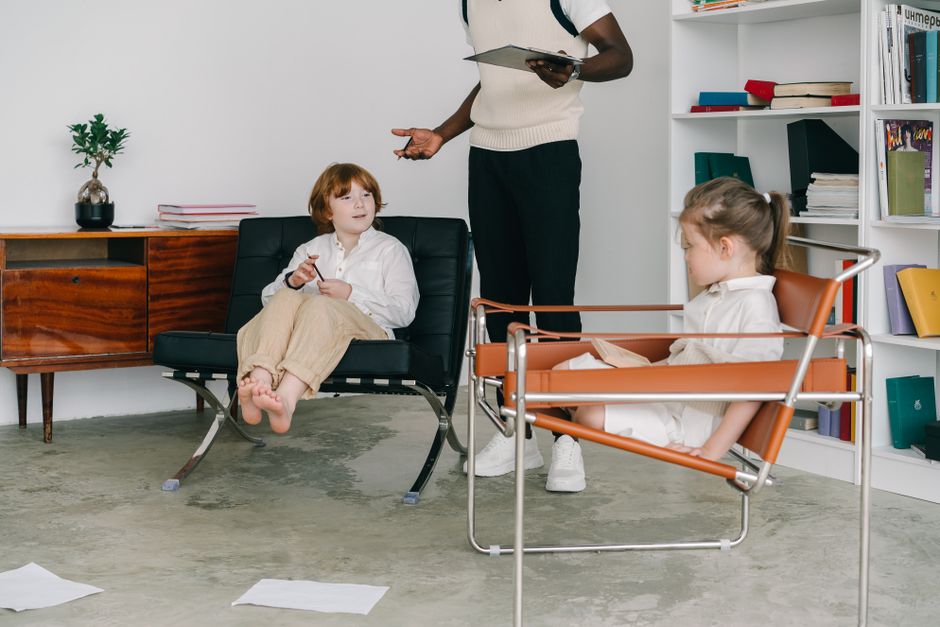
Behavioral parent training is the therapy with the strongest evidence base for young children with ADHD, and it is the first-line treatment recommended by major medical organizations for kids under 6. For older children, a combination of behavioral therapy and stimulant medication usually works better than either one alone. The “best” therapy depends heavily on your child’s age, symptom severity, and what else is going on — anxiety, learning problems, sleep issues.
What Therapy Is Best For A Child With ADHD?
There is no single answer that fits every child, but the research points clearly in one direction: behavioral therapy that involves parents is the foundation, especially for younger kids.
The American Academy of Pediatrics has recommended since 2011 that children under 6 receive behavioral parent training before medication is considered. That guidance has held up. For children 6 and older, the recommendation is behavioral therapy plus medication, or behavioral therapy alone if symptoms are mild.
The reason parent training comes first for young children is practical. A 4-year-old’s behavior is shaped mostly by the adults around them. Teaching parents how to respond differently changes the child’s environment directly. Medication can work in young children, but the evidence for its safety and effectiveness in kids under 6 is thinner than for older kids, and side effects tend to be more pronounced.
For school-age children, the picture shifts. Stimulant medication has large, well-documented effects on ADHD core symptoms. Behavioral therapy does not reduce core symptoms as much, but it helps with the things medication often doesn’t touch — organization, social skills, homework routines, family conflict.
What Does Behavioral Parent Training Actually Involve?
Behavioral parent training is not general parenting advice. It is a structured program, usually 8 to 12 sessions, taught by a trained therapist, psychologist, or behavior specialist.
The core idea is simple: children with ADHD respond to consequences differently. They often need more immediate, more frequent, and more consistent feedback than other kids. Parents learn specific techniques to deliver that.
Typical components include:
- Giving clear, brief instructions one at a time
- Using praise and small rewards immediately after good behavior
- Ignoring minor misbehavior that is meant to get attention
- Using consistent, calm consequences for specific problem behaviors
- Setting up routines for mornings, homework, and bedtime
- Using a behavior chart or token system tied to real rewards
The therapist usually watches parents practice these skills, gives feedback, and adjusts the plan. Programs with a manual — like Parent-Child Interaction Therapy or Incredible Years — have been studied more than loosely structured counseling.
One thing worth knowing: the training works on the parent as much as the child. Studies consistently show that when parents change how they respond, the child’s behavior improves. That is the mechanism.
Does My Child Need Medication Too?
Not always. For mild symptoms in a child over 6, behavioral therapy alone is a reasonable first step. For moderate to severe symptoms, the evidence favors combining both.
The largest long-term study of ADHD treatment in children, funded by the National Institute of Mental Health, found that combination treatment and medication alone both reduced core ADHD symptoms substantially over the first 14 months. Behavioral therapy alone was less effective for core symptoms but helped with other areas.
Over longer follow-up, the differences between treatment groups narrowed. That does not mean treatment doesn’t matter — it means ADHD is a chronic condition that needs ongoing management, not a short course of anything.
Medication decisions belong with a prescribing clinician who knows your child. Stimulants are the most studied ADHD medications and have strong evidence for reducing hyperactivity, impulsivity, and inattention. They also come with real side effects: appetite loss, sleep problems, and in some children, irritability. Non-stimulant options exist and may be preferred when stimulants cause problems or when anxiety is also present.




What About Therapy for the Child Directly?
Older children and teens often benefit from therapy that works with them, not just their parents. Two approaches have the most support.
Cognitive behavioral therapy (CBT) helps kids notice their own patterns and build practical skills — breaking tasks into steps, using planners, managing frustration, challenging negative thoughts about themselves. CBT has good evidence for ADHD in adolescents and adults. It works best when the child is motivated and old enough to reflect on their own behavior, usually age 10 or older.
Social skills training is sometimes recommended because kids with ADHD often struggle with friendships. The evidence here is weaker than many parents expect. Some studies show improvement in social knowledge but not in actual peer relationships. It is often included in broader programs, but it is not a standalone fix.
What does not have strong evidence: neurofeedback, elimination diets, and most supplement-based approaches. Some small studies show promise for neurofeedback, but larger, better-controlled trials have produced mixed results. It is not considered a standard treatment. If a provider presents any of these as proven, that is a red flag.
How Do You Choose the Right Therapy?
Start with a proper evaluation. ADHD is diagnosed by history, not by a blood test or a scan. A good evaluation rules out or identifies other conditions that can look like ADHD — anxiety, depression, learning disabilities, sleep apnea, thyroid problems, hearing issues.
Once you have a diagnosis, the decision usually comes down to age and severity.
| Age Group | First-Line Approach | Notes |
|---|---|---|
| Under 6 | Behavioral parent training | Medication considered only if behavior therapy is not enough |
| 6–11 | Behavioral therapy plus medication, or therapy alone if mild | School support and parent training both help |
| 12–18 | Medication plus CBT or behavioral coaching | Teens should be involved in their own treatment plan |
Two things matter as much as the therapy type. First, consistency. A program followed half-heartedly for two weeks does nothing. Second, fit. If your child clicks with the therapist and you feel heard, treatment is more likely to stick.
Ask any provider three questions before starting: What is this approach called? What does the research show for kids like mine? How will we know if it is working?
What Role Do Schools and Routines Play?
ADHD does not stay in one room. A child who is struggling at school and at home needs support in both places, and that support is not really “therapy” in the clinical sense — but it matters.
Classroom accommodations — preferential seating, extra time on tests, breaking assignments into smaller chunks, a quiet space to reset — can reduce daily friction. In the US, children with ADHD may qualify for a 504 plan or an Individualized Education Program (IEP), depending on how much the condition affects learning.
At home, structure helps more than most parents expect. Consistent wake times, predictable routines, physical activity, and limits on screens before bed all support the treatment plan. None of these replaces therapy or medication, but they make everything else work better.
Sleep deserves special mention. Many children with ADHD have trouble falling asleep or staying asleep, and poor sleep makes ADHD symptoms worse the next day. It is a loop. If sleep is a problem, bring it up with your child’s clinician — it is treatable, and fixing it often improves daytime behavior.
Frequently Asked Questions
What is the best therapy for a 5-year-old with ADHD?
Behavioral parent training is the first-line treatment for children under 6, according to the American Academy of Pediatrics. Medication is considered only if behavior therapy alone does not help enough.
Is therapy alone enough for ADHD, or does my child need medication?
For mild symptoms in children over 6, behavioral therapy alone can be enough. For moderate to severe symptoms, research shows that combining behavioral therapy with medication works better than either alone.
Does cognitive behavioral therapy work for ADHD in teenagers?
CBT has good evidence for ADHD in adolescents and adults, especially for organization, planning, and managing frustration. It works best when the teen is old enough to reflect on their own behavior, usually age 10 or older.
Is neurofeedback a proven treatment for ADHD?
No. Some small studies show promise, but larger controlled trials have produced mixed results, and it is not considered a standard treatment. Be cautious of any provider who presents it as proven.
