
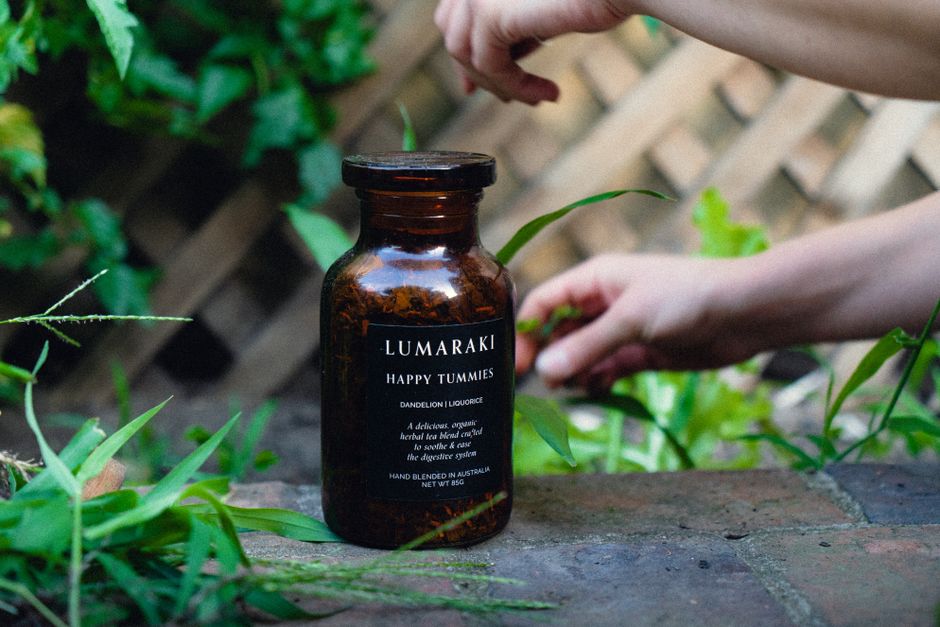
A warm cup of tea can calm a queasy stomach, and a few types have real evidence behind them. The most reliable choices are ginger, peppermint, chamomile, fennel, licorice root, and green tea. Each works differently, and some are better for nausea while others help with gas, cramping, or indigestion.
Tea is not a cure for a medical problem. But for everyday upset stomach, bloating, or mild nausea, certain teas can genuinely help. Below is what each one does, what the research actually shows, and when you should skip tea and call a doctor.
What Tea Settles Your Stomach 6 Teas That Work?
These six teas have the strongest tradition and the most supporting evidence for stomach complaints. They are not ranked, because the best choice depends on your symptoms.
- Ginger — best for nausea and vomiting
- Peppermint — best for gas, bloating, and cramping
- Chamomile — best for stomach irritation and stress-related upset
- Fennel — best for bloating and gas after meals
- Licorice root — studied for indigestion and acid symptoms
- Green tea — mild support for digestion, with caveats
One clarification worth knowing: “settles your stomach” covers several different problems. Nausea, gas, acid reflux, and general indigestion are not the same thing. A tea that helps one may do little for another. Match the tea to the symptom.
Why Does Ginger Tea Help With Nausea?
Ginger is the most studied kitchen remedy for nausea, and the evidence is stronger here than for any other tea on this list. Research on ginger has found it can reduce nausea in several settings, including pregnancy-related nausea, motion sickness, and nausea after surgery.
The active compounds in ginger are called gingerols and shogaols. They appear to speed up stomach emptying and may block signals in the gut that trigger the vomiting reflex. This is a well-described mechanism, though researchers are still working out the full picture.
Ginger tea is simple to make. Steep a few thin slices of fresh ginger in hot water for about 10 minutes. Dried ginger powder also works. For nausea during pregnancy, ginger has a long history of use, but talk to your doctor about how much is right for you, since dosing guidance for pregnancy varies.
Ginger is generally well tolerated. High doses can cause heartburn or a mild burning feeling in some people.
Does Peppermint Tea Relax a Cramping Stomach?
Peppermint relaxes the smooth muscle of the digestive tract, which is why it helps with gas, bloating, and cramping. Menthol, the main active compound, has an antispasmodic effect — it helps tight, spasming gut muscles loosen up.
Most of the strong research on peppermint uses enteric-coated peppermint oil capsules, not tea. Those capsules are commonly used for irritable bowel syndrome (IBS) and have decent evidence for reducing cramping and abdominal pain. Tea delivers a much smaller, less concentrated dose, so the effect is gentler. It may still help mild bloating after a meal.
One important caution: peppermint can relax the valve between the stomach and esophagus. That means it may worsen acid reflux or heartburn in some people. If your “upset stomach” is really reflux, peppermint tea could make it worse. Skip it if that sounds like you.





Is Chamomile Tea Good for an Irritated Stomach?
Chamomile is a gentle, soothing tea that has been used for centuries for stomach upset and to help with sleep. It contains compounds called flavonoids, including apigenin, which may have mild anti-inflammatory and calming effects.
The evidence for chamomile specifically helping digestion is modest. Some studies suggest it can ease mild stomach cramping and general digestive discomfort, but the research is not as strong as it is for ginger. What chamomile does have going for it is safety and tolerability for most people.
Chamomile is a reasonable choice when your stomach upset is tied to stress or when you want something mild before bed. If you are allergic to plants in the daisy family — like ragweed, marigold, or chrysanthemums — you may react to chamomile too. That allergy link is well documented.
How Do Fennel and Licorice Root Compare?
Fennel and licorice root are both traditional remedies, but they work on different problems and carry different cautions.
Fennel seeds contain anethole, a compound that may help relax gut muscles and reduce gas. Fennel is often served after meals in some cultures for exactly this reason. Some small studies suggest fennel may help with bloating and infant colic, but the evidence is limited. Fennel tea is mild and generally safe for adults.
Licorice root has been studied for indigestion and stomach acid symptoms. Some research indicates it may help with dyspepsia — the general discomfort after eating — though results vary. The bigger issue with licorice is safety. A compound in licorice called glycyrrhizin can raise blood pressure and lower potassium levels when consumed in large amounts or over long periods. People with high blood pressure, heart disease, kidney disease, or those taking diuretics should be cautious. Do not drink licorice tea daily for weeks on end.
| Tea | Best for | Main caution |
|---|---|---|
| Ginger | Nausea, vomiting | Heartburn at high doses |
| Peppermint | Gas, bloating, cramping | May worsen reflux |
| Chamomile | Mild irritation, stress-related upset | Allergy in daisy-family sensitive people |
| Fennel | Bloating, gas after meals | Generally mild; limited evidence |
| Licorice root | Indigestion | Raises blood pressure with heavy use |
| Green tea | Mild digestive support | Caffeine; can irritate some stomachs |
Can Green Tea Soothe or Irritate Your Stomach?
Green tea is often listed as a digestive aid, but it is the trickiest tea on this list. It contains antioxidants called catechins, which have anti-inflammatory properties. Some research suggests green tea compounds may support gut health and digestion.
At the same time, green tea contains caffeine, and caffeine can irritate the stomach lining and worsen acid reflux in some people. So green tea can go either way. If your stomach is sensitive, the caffeine may do more harm than good.
If you want green tea for digestion, a gentler option is a decaffeinated version, or a tea made from roasted green tea leaves, which has less caffeine. Drink it between meals rather than on an empty stomach if you are prone to irritation.
How Should You Make and Drink These Teas?
How you prepare a tea affects how much of the active compounds you actually get. A few simple habits help.
- Use fresh or well-stored dried ingredients. Old herbs lose potency.
- Steep covered for 5 to 10 minutes. Covering the cup traps volatile oils that would otherwise escape in the steam.
- Start with one cup and see how you feel before drinking more.
- Drink slowly and warm, not scalding hot. Very hot drinks can irritate the mouth and esophagus.
- Skip added sugar if you can. Large amounts of sugar can worsen bloating for some people.
Tea is a comfort measure, not a treatment. If a tea helps, that is useful. But it should not replace medical care for a real problem.
When Should You See a Doctor Instead of Drinking Tea?
Tea can help mild, short-lived stomach upset. It cannot fix a serious condition. Seek medical care if you have any of the following:
- Stomach pain that is severe, constant, or getting worse
- Vomiting blood or material that looks like coffee grounds
- Black, tarry stools or blood in your stool
- Signs of dehydration — little urination, dry mouth, dizziness
- Unexplained weight loss
- Difficulty swallowing
- Symptoms lasting more than a few days, or that keep coming back
- Fever with stomach pain
These signs can point to conditions that need real medical evaluation. No tea is a substitute for that.
One more honest note: many popular “detox” and “flat tummy” teas are sold with big claims and little evidence. Some contain laxative herbs like senna, which force bowel movements rather than settling the stomach. That is not the same as soothing digestion, and regular use can cause problems. If a tea promises dramatic results, be skeptical.
Frequently Asked Questions
What is the fastest tea to settle an upset stomach?
Ginger tea is the most reliable choice for nausea because it has the strongest supporting evidence. Peppermint tea may work faster for gas and cramping.
Can I drink peppermint tea if I have acid reflux?
Peppermint can relax the valve between your stomach and esophagus and may worsen reflux for some people. If heartburn is your main symptom, chamomile or ginger may be a safer pick.
Is it safe to drink ginger tea every day?
For most adults, daily ginger tea in normal amounts is considered safe and well tolerated. Very high doses can cause heartburn, and pregnant women should check with their doctor about how much is right for them.
Do these teas actually treat stomach problems?
No. These teas can ease mild, everyday symptoms like nausea, gas, and bloating, but they do not treat underlying conditions. See a doctor for severe, lasting, or recurring symptoms.
