
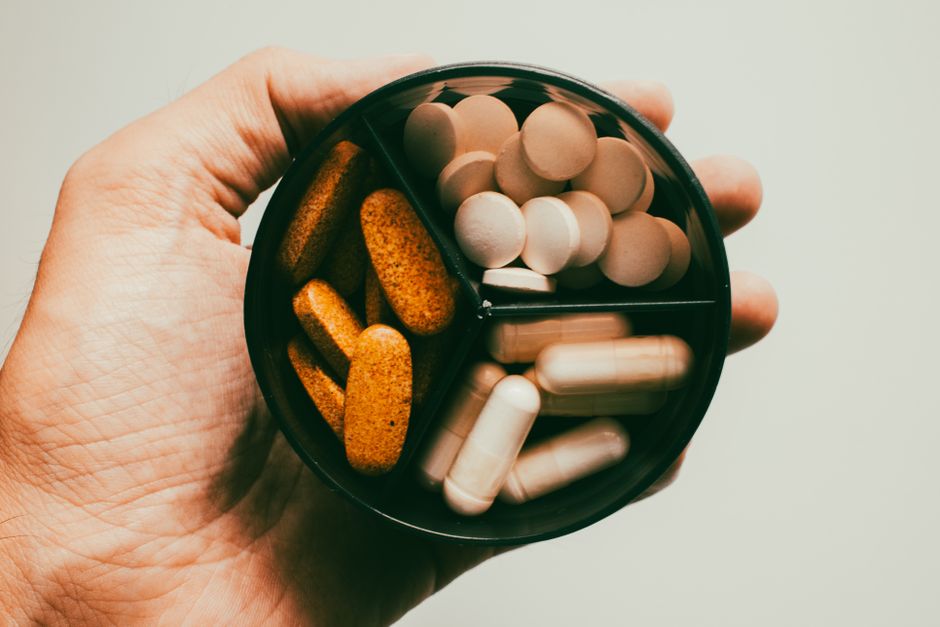
Vitamin D absorption is not a solo act. The body needs fat, magnesium, and a functioning digestive tract to turn a swallowed pill into usable vitamin D. The supplements most tied to better absorption are magnesium, vitamin K2, and dietary fat — though the evidence for each varies. This article explains what is well established, what is emerging, and what is marketing noise.
What Supplements Help Your Body Absorb Vitamin D?
Magnesium is the supplement with the strongest physiological case for supporting vitamin D metabolism. Vitamin D must be converted by enzymes in the liver and kidneys before the body can use it. Those enzymes depend on magnesium. Without enough magnesium, that conversion process runs less efficiently.
Some research suggests people with low magnesium levels may not raise their vitamin D as effectively when taking supplements, even at higher doses. This does not mean everyone needs magnesium. It means magnesium status matters, and many adults in the US fall short of the recommended intake from food alone.
Vitamin K2 is often bundled with vitamin D in supplement products. The two nutrients do work together in calcium regulation. Vitamin D increases calcium absorption from the gut. Vitamin K2 helps direct that calcium into bone rather than soft tissue. That interaction is real biology. Whether K2 supplementation meaningfully improves outcomes for people already getting enough vitamin K is not established.
Dietary fat is not a supplement, but it is the single most reliable factor in absorbing vitamin D from a pill. Vitamin D is fat-soluble. It needs fat to be absorbed through the small intestine. Taking a vitamin D supplement with a meal containing fat can make a meaningful difference in how much gets into the bloodstream.
Why Does Vitamin D Need Fat to Be Absorbed?
Vitamin D is a fat-soluble vitamin, like vitamins A, E, and K. Fat-soluble vitamins do not dissolve in water. They need fat to be packaged into structures called micelles in the small intestine, then absorbed into the lymphatic system and eventually into the blood.
When you take a vitamin D supplement without any fat in your stomach, absorption drops. This is not a small effect. Research has found that taking vitamin D with a fat-containing meal can increase absorption substantially compared to taking it on an empty stomach. The exact increase varies by person and by the amount of fat consumed.
This is why many vitamin D supplements are formulated in oil. The oil provides a built-in fat source. But even an oil-based capsule benefits from being taken with food, because the digestive process triggered by eating helps the body absorb fat-soluble nutrients more efficiently.
The practical takeaway is simple. Take your vitamin D with a meal that contains some fat. It does not need to be a heavy meal. A serving of eggs, avocado, nuts, full-fat yogurt, or olive oil is enough to support absorption.
Does Magnesium Really Help You Absorb Vitamin D?
Magnesium does not help you absorb vitamin D from your gut. It helps your body convert vitamin D into its active form. That distinction matters.
The liver converts vitamin D into 25-hydroxyvitamin D, which is the form measured in blood tests. The kidneys then convert it again into calcitriol, the active hormone form. Both steps require magnesium-dependent enzymes. If magnesium is low, these conversion steps can be impaired.
Some studies have found that people with adequate magnesium have higher vitamin D levels after supplementation than those with low magnesium. Other studies have not shown a clear benefit from adding magnesium. The evidence is mixed, and the effect likely depends on whether a person was magnesium-deficient to begin with.
Magnesium deficiency is not rare. Surveys suggest a large share of US adults do not meet the recommended daily intake from food. The recommended daily allowance for magnesium is 400 to 420 mg for adult men and 310 to 320 mg for adult women, according to the National Institutes of Health. These are food-based targets, not supplement doses.
If you are considering magnesium supplementation, talk to your doctor. Magnesium can interact with certain medications, including some antibiotics and diuretics. People with kidney disease should not take magnesium supplements without medical supervision.



What About Vitamin K2 and Vitamin D?
Vitamin K2 and vitamin D work together in calcium metabolism. Vitamin D increases how much calcium you absorb from food. Vitamin K2 activates proteins that help move calcium into bones and teeth, and away from arteries and soft tissues.
This relationship is well described in physiology. What is less clear is whether taking vitamin K2 alongside vitamin D provides meaningful clinical benefits for most people. No large human trials have confirmed that adding K2 to vitamin D supplementation improves bone health, heart health, or any other outcome in people who are not deficient in vitamin K.
Vitamin K deficiency is uncommon in healthy adults eating a normal diet. Leafy greens, fermented foods, and animal products provide vitamin K. People taking blood-thinning medications like warfarin need to be especially careful with vitamin K supplements, because vitamin K can interfere with these drugs. Anyone on a blood thinner should talk to their doctor before taking K2.
The combination of D3 and K2 is heavily marketed. That does not make it wrong, but the evidence base is thinner than the marketing suggests.
Which Form of Vitamin D Absorbs Best?
Vitamin D3 (cholecalciferol) and vitamin D2 (ergocalciferol) are the two main forms. D3 is the form your skin makes from sunlight. D2 comes from plants and yeast.
Research generally shows that D3 raises blood levels of 25-hydroxyvitamin D more effectively than D2, and maintains those levels longer. D3 is found in animal products and is the form used in most supplements. D2 is often used in prescription vitamin D and in some fortified foods.
For most people, D3 is the preferred form for supplementation. This is one of the more consistent findings in vitamin D research.
The delivery method also matters. Softgel capsules with oil tend to be absorbed better than dry tablets. Liquid drops may be absorbed well too. The difference between formulations is smaller than the difference between taking vitamin D with food versus without.
What Else Affects Vitamin D Absorption?
Several health conditions can reduce vitamin D absorption from supplements or food.
- Gut conditions: Celiac disease, Crohn’s disease, and other inflammatory bowel conditions can damage the lining of the small intestine where fat and fat-soluble vitamins are absorbed.
- Bariatric surgery: Weight loss surgery can bypass parts of the small intestine, reducing absorption of fat-soluble vitamins. People who have had these procedures often need higher doses and regular monitoring.
- Pancreatic insufficiency: The pancreas produces enzymes that help digest fat. When it does not work properly, fat absorption drops, and vitamin D absorption drops with it.
- Liver and kidney disease: These organs convert vitamin D into its active form. Disease in either organ can impair this process.
- Older age: The skin makes less vitamin D from sunlight with age, and the gut may absorb it less efficiently.
- Obesity: Vitamin D can be sequestered in body fat, which may lower blood levels. People with higher body fat often need higher doses to reach the same blood level.
Certain medications can also interfere with vitamin D metabolism. These include some anti-seizure drugs, steroids, and weight loss medications that reduce fat absorption. If you take any of these, ask your doctor whether your vitamin D levels should be monitored.
Does Timing or Dose Change How Well You Absorb Vitamin D?
Timing matters less than what you take it with. The key factor is having fat in your stomach when you swallow the pill. Morning or evening does not appear to make a significant difference for absorption.
Dose is a separate issue from absorption. Higher doses do not necessarily mean better results. The body regulates vitamin D, and very high doses can cause blood levels to rise too much. Vitamin D toxicity is rare but possible, and it can cause high calcium levels, which may lead to nausea, weakness, and kidney problems.
The recommended dietary allowance for vitamin D is 600 IU per day for adults up to age 70 and 800 IU per day for adults over 70, according to the National Institutes of Health. These are general guidelines for healthy people. People with deficiencies or absorption problems may need more, but that should be determined by a doctor based on blood tests.
Taking vitamin D with the largest meal of the day is a practical habit that covers the fat requirement without extra planning. If that meal contains some fat — and most do — absorption will be supported.
Do You Need Supplements at All to Absorb Vitamin D?
If your vitamin D level is normal, you may not need supplements. Sunlight and food can maintain adequate levels for many people. Fatty fish, egg yolks, and fortified milk and cereals are dietary sources.
But sun exposure varies by latitude, season, skin tone, and sunscreen use. Many people in northern climates cannot make enough vitamin D from sun in winter. Older adults and people with darker skin also produce less vitamin D from sunlight.
For people who do need supplements, the factors that improve absorption are straightforward. Take vitamin D3 with a meal that contains fat. Consider whether your magnesium intake is adequate. Talk to your doctor about whether vitamin K2 or other supplements make sense for your situation. Get your blood level checked rather than guessing.
Frequently Asked Questions
Should I take vitamin D with food?
Yes. Vitamin D is fat-soluble, so taking it with a meal containing fat improves absorption. Even a small amount of fat, like a few nuts or an egg, can help.
Does magnesium help vitamin D absorption?
Magnesium does not help you absorb vitamin D from your gut, but it helps your body convert vitamin D into its active form. Some research suggests low magnesium may reduce how well vitamin D supplements work.
Is vitamin D3 better than D2?
Research generally shows that vitamin D3 raises and maintains blood levels of vitamin D more effectively than D2. D3 is the form most supplements use and the form your skin makes from sunlight.
Can I take vitamin D on an empty stomach?
You can, but absorption will likely be lower than if you take it with food. Taking vitamin D with a fat-containing meal is the simplest way to support absorption.
