
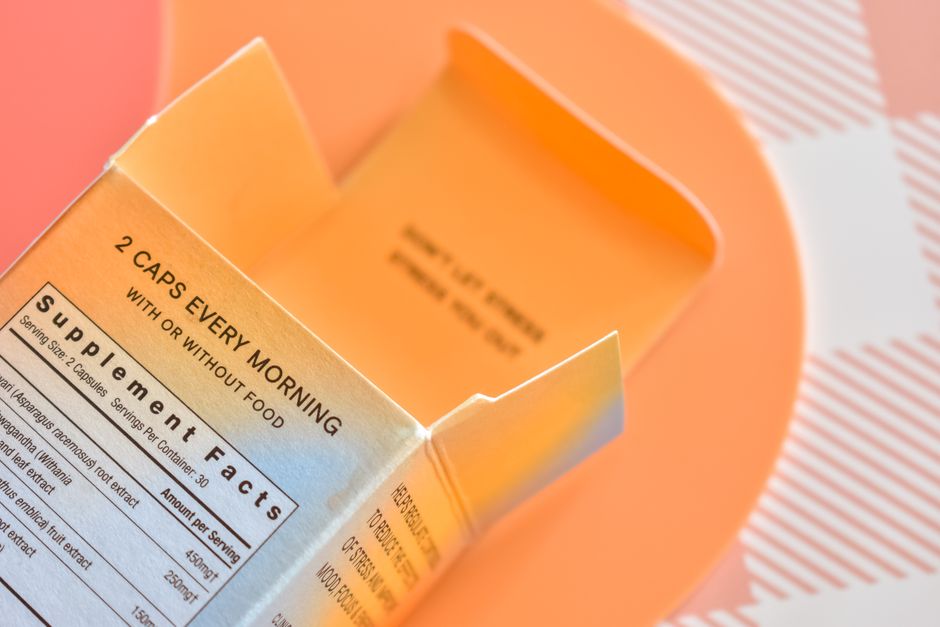
If you are looking for a pill that reliably kills appetite, the honest answer is that no supplement comes close to prescription weight-loss drugs. Among over-the-counter options, the evidence is strongest for fiber — specifically soluble fiber such as glucomannan and psyllium — followed by protein and, to a lesser degree, caffeine. Most other “appetite suppressant” supplements sold online have little or no human trial data behind them.
That answer disappoints people. It should. The gap between what supplement labels promise and what clinical trials show is enormous, and appetite is one of the hardest things to change with a capsule. This article explains what actually has evidence, what does not, and why the difference matters.
What Supplement Suppresses Appetite Most Effectively?
Soluble fiber has the best supporting evidence of any non-prescription supplement for reducing appetite. It works through a physical mechanism rather than a stimulant one, and that mechanism is well understood.
When soluble fiber mixes with water in the stomach, it forms a gel. That gel slows the rate at which the stomach empties into the small intestine. A fuller stomach for longer triggers stretch receptors in the stomach wall, which signal the brain through the vagus nerve. The result is a feeling of fullness that arrives sooner and lasts longer.
Glucomannan, a fiber derived from the konjac root, is the most studied single ingredient in this category. Psyllium husk is another well-known soluble fiber with a long history of use for bowel regularity, and it also affects fullness, though it is studied less for appetite specifically.
Fiber is not a magic switch. The effect on appetite is modest — noticeable for some people, barely detectable for others. It also requires water. Taking glucomannan or psyllium without enough fluid can cause choking, esophageal blockage, or severe constipation. These are real reported harms, not theoretical ones.
How Does Protein Compare to Fiber for Appetite Control?
Protein is the most satiating macronutrient, and this is one of the more consistent findings in nutrition research. Gram for gram, protein reduces hunger more than fat or carbohydrate.
But protein is food, not a supplement. The question of whether a protein powder suppresses appetite more effectively than a chicken breast has no clean answer, because the effect appears to come from the protein itself and the act of eating, not from the format. A protein shake does tend to blunt hunger, largely because it delivers a concentrated dose of protein in liquid form, which some research suggests may be less satiating than solid food of the same calorie content.
Whey and casein are the two most common protein supplement types. Casein digests more slowly and some studies suggest it produces a longer-lasting fullness signal than whey. The difference is real but small in practical terms.
If your goal is appetite control and you are choosing between a fiber supplement and a protein supplement, the evidence does not clearly favor one over the other. Both have support. Both have limits. Neither will match the effect of a prescription medication.
Does Caffeine Suppress Appetite?
Caffeine produces a short-term reduction in appetite in some people. The effect is real but brief, and it fades with regular use as tolerance develops.
The mechanism is not fully settled. Caffeine affects adenosine receptors and the sympathetic nervous system, and it may influence appetite-regulating hormones, but the exact pathway is still debated. What is clearer is the practical outcome: a cup of coffee may take the edge off hunger for an hour or two, then it wears off.
Using caffeine as an appetite suppressant has downsides. It can raise heart rate and blood pressure, disrupt sleep, and cause anxiety in sensitive people. Sleep disruption itself increases appetite the following day by altering hunger hormones, which works against the original goal. Caffeine is also not appropriate for everyone — people with certain heart conditions, anxiety disorders, or who are pregnant should be cautious or avoid it.



What About Green Tea, Garcinia, and Hoodia?
These are the ingredients most often marketed as appetite suppressants. The evidence for each is weak, mixed, or absent.
Green tea extract is sometimes claimed to reduce appetite through its catechins and caffeine content. Some small studies have looked at green tea and appetite, but results have been inconsistent, and any effect appears small. Green tea is generally safe in normal amounts, but concentrated extracts have been linked to liver injury in rare cases.
Garcinia cambogia contains hydroxycitric acid. It was promoted heavily as a weight-loss aid, but trials in humans have not shown consistent benefit for weight or appetite, and the evidence for appetite suppression specifically is thin. Some research has raised concerns about liver toxicity with certain garcinia products.
Hoodia gordonii was widely hyped after media coverage suggested it suppressed appetite. Controlled human trials have not confirmed this. The appetite-suppressant reputation of hoodia rests largely on animal and anecdotal reports, not on demonstrated effects in people.
This pattern repeats across the category. A plant or extract shows a signal in a lab dish or an animal study. Marketing turns that into a claim. Human trials either fail to confirm it or are never done.
Which Supplements Have Little or No Evidence?
Many products sold as appetite suppressants fall into this group. The list is long, and it grows every year as new ingredients are marketed.
- Chromium picolinate — studied mostly for blood sugar, not appetite. Evidence for hunger reduction is weak and inconsistent.
- Gymnema sylvestre — sometimes claimed to reduce sugar cravings. Human evidence is limited.
- Raspberry ketone — no reliable human trials support appetite suppression.
- African mango (Irvingia gabonensis) — small studies with mixed results, and independent replication is lacking.
- Conjugated linoleic acid (CLA) — studied for body composition, not appetite. Effect on hunger is not established.
- Fucoxanthin — a seaweed compound. Human appetite data is very limited.
None of these are proven appetite suppressants. Some may have other effects that are also unproven. The absence of evidence is not proof of harm, but it is also not proof of benefit — and that distinction is the whole point.
Why Prescription Options Work Better Than Supplements
Prescription weight-loss medications act on appetite through pathways that supplements cannot reach. Some mimic gut hormones that signal fullness to the brain. Others affect how the brain regulates hunger and reward. These are targeted mechanisms with measurable effects in large trials.
Supplements are not held to the same standard. In the United States, dietary supplements are regulated as food, not drugs. They do not need to prove effectiveness before being sold. A manufacturer can market an appetite-suppressant claim without ever running a trial that measures appetite.
This is why the honest comparison is not “which supplement works best” but “which supplement has any evidence at all.” Fiber, protein, and to a lesser extent caffeine have some. Most others do not.
If someone has a medical need for significant appetite reduction, that is a conversation for a clinician, not a supplement aisle. Prescription options exist and are far more effective. Supplements are not a substitute for them.
What Actually Helps Reduce Appetite?
The most reliable appetite control comes from how you eat, not what you swallow in a capsule.
Protein at meals reduces hunger. Fiber-rich foods — vegetables, legumes, whole grains — slow digestion and add bulk. Adequate sleep matters more than most people realize; short sleep raises the hunger hormone ghrelin and lowers leptin, which signals fullness. Drinking water before meals has a modest effect in some studies. Slower eating gives fullness signals time to register.
None of these are dramatic. Appetite is regulated by a complex system involving hormones, the gut, the brain, and behavior. No single intervention overrides that system. The supplements with the best evidence — fiber and protein — work because they nudge parts of that system, not because they switch it off.
If a product promises strong, fast, effortless appetite suppression, the claim is almost certainly ahead of the evidence. That is the most useful thing to know before spending money.
Frequently Asked Questions
What is the most effective supplement to suppress appetite?
Soluble fiber, particularly glucomannan, has the strongest evidence among non-prescription supplements for reducing appetite. The effect is modest and requires adequate water to avoid serious side effects.
Does apple cider vinegar suppress appetite?
Some small studies suggest vinegar may slightly reduce appetite when taken with a meal, but the evidence is limited and inconsistent. It is not an established appetite suppressant.
Is there a supplement that works as well as prescription weight-loss drugs?
No. Prescription medications act on specific hormone and brain pathways with effects confirmed in large trials, and no over-the-counter supplement has demonstrated comparable results.
Can I take fiber supplements every day for appetite control?
Soluble fiber supplements are commonly used daily, but they must be taken with plenty of water to prevent choking and bowel blockage. Talk to a clinician before starting, especially if you take medications or have digestive conditions.
