
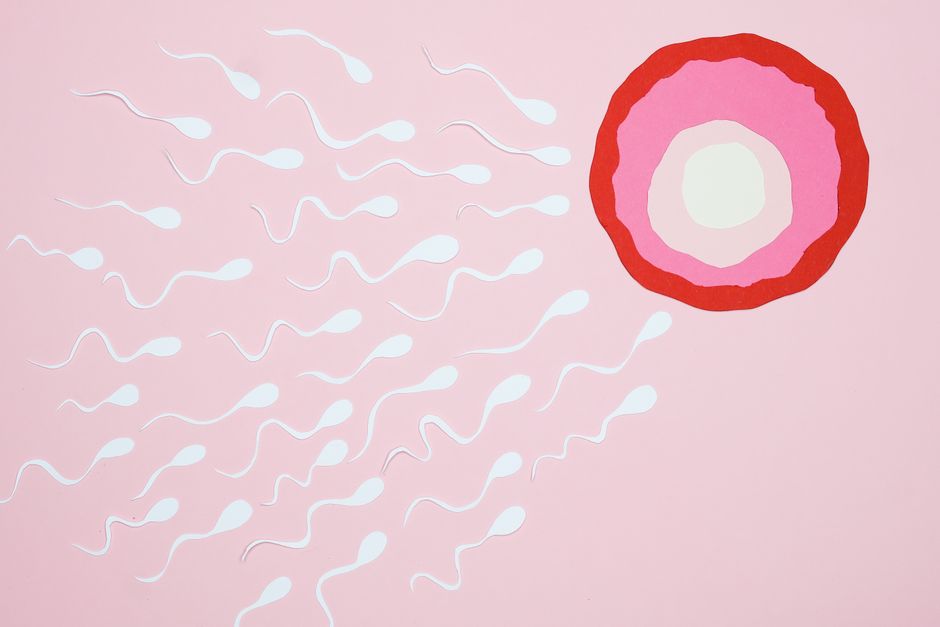
Watery semen is not a recognized symptom of any specific sexually transmitted disease. That is the honest answer, and it matters because a lot of people searching this question are worried they caught something. The texture of semen changes for many reasons, and sexually transmitted infections (STDs) are only one possible cause among several. Testing is the only way to know for sure whether an infection is present, because most STDs that could affect semen quality do not produce obvious symptoms in men.
What STD Causes Watery Sperm Symptoms And Testing?
No single STD is known to cause watery sperm as a defining symptom. That said, certain infections of the prostate, urethra, or epididymis — the coiled tube behind each testicle — can change the color, consistency, or volume of semen. Gonorrhea and chlamydia are the two infections most often linked to inflammation in these structures.
When these bacteria infect the urethra or prostate, the resulting inflammation can alter the fluid that mixes with sperm to form semen. The seminal vesicles and prostate produce most of the liquid portion of semen. Sperm itself makes up only a small fraction of the total volume. So when that fluid-producing machinery is irritated, the ejaculate can look thinner or more watery than usual.
Here is the part that surprises people. Most men with gonorrhea or chlamydia have no symptoms at all. When symptoms do appear, they usually show up as a burning sensation during urination, discharge from the penis, or pain in the testicles. Watery semen on its own is not a typical presenting complaint, and it is not listed as a primary symptom in clinical descriptions of these infections.
Trichomoniasis is another STD that can infect men. It often causes no symptoms, and when it does, urethral discharge or irritation is more common than any change in semen texture. There is no strong evidence that trichomoniasis reliably produces watery semen.
What Actually Causes Watery Semen?
Semen consistency varies naturally from person to person and even from one ejaculation to the next. Several factors unrelated to infection can make semen appear thinner.
- Frequency of ejaculation. Ejaculating more often can reduce semen volume and change consistency. This is normal and not a sign of disease.
- Hydration. Semen is mostly water. Dehydration can concentrate it, and good hydration can make it thinner.
- Time since last ejaculation. Longer gaps tend to produce thicker, more gel-like semen. Shorter gaps tend to produce thinner semen.
- Age. Semen volume and consistency can shift gradually over decades.
- Prostate or seminal vesicle inflammation. This can occur with or without an infection.
- Hormonal factors. Testosterone and other hormones influence semen production and fluid composition.
- Medications and supplements. Some drugs can affect ejaculatory function or fluid production.
Notice that most of these have nothing to do with STDs. That is the key point. Watery semen is a common observation, and in most cases it does not point to an infection.
Can an STD Change Semen Texture at All?
Infections that cause inflammation in the reproductive tract can affect semen, but the evidence is more about quality than texture. Research on male fertility has looked at how genital infections affect sperm count, motility, and morphology — the shape of sperm. Some studies suggest that untreated infections in the epididymis or prostate can temporarily reduce sperm quality.
Whether that translates into visibly watery semen is a different question. Texture is a subjective observation. What looks watery to one person may be normal for another. There is no standard clinical definition of “watery semen” that doctors use to diagnose anything.
This is where a lot of online information goes wrong. It takes a normal variation, attaches it to an infection, and creates anxiety. If you have watery semen and no other symptoms, the odds strongly favor a benign explanation. If you also have burning, discharge, pain, or you know you were exposed to an STD, that changes the picture and testing becomes important.
When Should You Get Tested?
Get tested if you have had unprotected sex with a new partner, if a partner has told you they have an STD, or if you notice symptoms like discharge, burning during urination, or testicular pain. Watery semen alone is a weak reason to suspect an STD, but it is a reasonable reason to get a routine screening if you have other risk factors.
Testing is straightforward and does not require a semen sample in most cases. The standard tests for gonorrhea and chlamydia use a urine sample or a swab. HIV, syphilis, and hepatitis testing use blood samples. Trichomoniasis can be detected through urine testing in men, though testing availability varies.
Here is a practical point many people miss. The CDC has long recommended that sexually active men who have sex with men get tested for gonorrhea and chlamydia at least once a year, and more often depending on risk. For heterosexual men, routine screening recommendations are less universal and depend on individual risk factors. Talk to a clinician about what makes sense for your situation.
Do not try to diagnose yourself based on semen appearance. It is not a reliable indicator of anything specific. If you are worried, a urine test answers the question in a few days.
How Are These Infections Treated?
Gonorrhea and chlamydia are bacterial infections, and they are treatable with antibiotics. That part is well established. The exact antibiotic regimen has changed over time as resistance patterns have shifted, so treatment should come from a clinician who follows current guidelines — not from something you read online.
One important detail. Chlamydia and gonorrhea often occur together, so treatment frequently covers both. Also, partners need treatment too, even if they have no symptoms. Otherwise reinfection is likely.
Trichomoniasis is treated with a different antibiotic. It is also curable.
Viral STDs like HIV, herpes, and hepatitis B are managed differently. They are not cured by antibiotics, and treatment focuses on controlling the virus and preventing transmission. These infections are not typically associated with changes in semen texture.
If watery semen is caused by something other than an infection — like ejaculation frequency or hydration — no treatment is needed. The consistency will shift on its own.
Does Watery Semen Affect Fertility?
Semen texture and fertility are not the same thing. Fertility depends on sperm count, sperm movement, and sperm shape — measured through a semen analysis, not by looking at the semen. A man can have thin, watery semen and completely normal fertility. Another man can have thick semen and low sperm quality.
That said, untreated genital infections can affect fertility in some cases. Inflammation from a prolonged infection can cause scarring in the epididymis, which may block sperm. This is one reason timely testing and treatment matter. The risk is real but not universal, and many infections clear without lasting effects on fertility.
If you are trying to conceive and have concerns about semen quality, a semen analysis is the appropriate test. It measures specific parameters that a visual check cannot.
What Else Could Be Going On?
Beyond infections, several conditions can affect semen. Chronic prostatitis — inflammation of the prostate — is one. It can cause pelvic pain, urinary symptoms, and changes in ejaculation. Its causes are not always identified, and it is not necessarily sexually transmitted.
Varicocele, an enlarged vein in the scrotum, affects sperm production in some men. It does not typically change semen texture.
Retrograde ejaculation is a condition where semen flows backward into the bladder instead of out through the penis. This can result in very low semen volume or a dry orgasm. It is associated with diabetes, prostate surgery, and certain medications. It is not an STD.
Hormonal imbalances, including low testosterone, can affect ejaculatory volume and fluid production. These are diagnosed through blood tests.
The bottom line is that watery semen has many possible explanations, and infection is only one of them. Most of the time, it is not an infection at all.
What Should You Do If You Are Concerned?
If you have watery semen and no other symptoms, watch and wait. Notice whether it changes with ejaculation frequency or hydration. If it returns to your normal, there is likely nothing to investigate.
If you have additional symptoms — discharge, burning, pain, sores, or fever — see a doctor. If you have had unprotected sex and are unsure of your partner’s status, get tested. These are reasonable steps based on established public health guidance.
Do not rely on internet forums or symptom checkers to diagnose this. Semen appearance is not a diagnostic tool. Testing is.
Frequently Asked Questions
Can chlamydia cause watery sperm?
Chlamydia can cause inflammation in the reproductive tract that may affect semen, but watery semen is not a recognized primary symptom. Most men with chlamydia have no symptoms at all.
Is watery semen a sign of an STD?
No, watery semen on its own is not a reliable sign of an STD. Semen consistency changes with ejaculation frequency, hydration, and other normal factors.
How do you test for STDs that might affect semen?
Gonorrhea and chlamydia are usually tested with a urine sample or swab, while HIV and syphilis require blood tests. A semen sample is not part of routine STD testing.
Does watery semen mean I am infertile?
No, semen texture does not indicate fertility. Fertility is measured through a semen analysis that checks sperm count, movement, and shape.
