
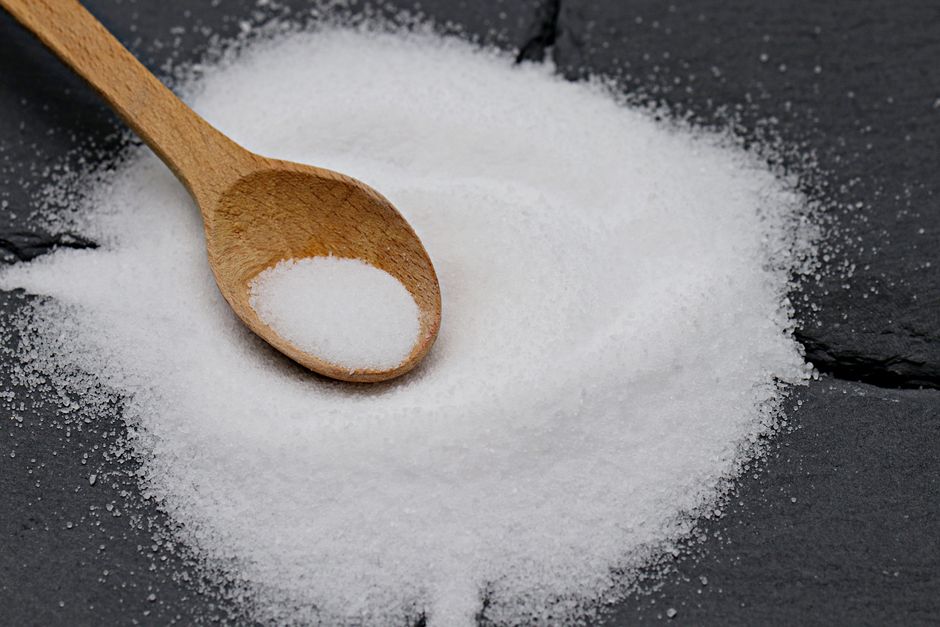
Sodium is an essential mineral, and your body cannot function without it. It carries electrical signals along nerves, helps muscles contract and relax, and works with other minerals to keep the right amount of fluid inside and outside your cells. Your kidneys tightly control how much sodium stays in your body and how much leaves in urine, which keeps your blood pressure and fluid balance in a healthy range.
What Sodium Does in the Body?
Sodium’s main job is managing fluid and electrical signals. It is the most abundant positively charged ion in the fluid outside your cells, and that position lets it do several critical tasks at once.
First, sodium maintains fluid balance. Water follows sodium. Where sodium goes, water tends to follow, and this relationship keeps the volume of blood and the fluid around your cells in the right range. Your body adjusts sodium levels constantly to hold that balance steady.
Second, sodium generates electrical signals. When a nerve fires or a muscle contracts, sodium rushes into the cell and changes its electrical charge. This is how your brain sends messages, how your heart beats in rhythm, and how your muscles move when you decide to move them.
Third, sodium works with potassium to power nutrient transport. Many cells use the movement of sodium across their membranes to pull in glucose, amino acids, and other substances they need. This is especially important in the intestines and kidneys, where sodium helps absorb nutrients and reclaim water.
How Does Sodium Control Fluid Balance?
Sodium and water are partners. Your body holds the concentration of sodium in your blood within a narrow range, and it does this by adjusting both sodium and water together.
When sodium levels rise, your brain senses the change and triggers thirst. You drink, and your kidneys reduce how much water they release in urine. The result is that sodium gets diluted back to normal. When sodium falls, the opposite happens: you feel less thirsty, and your kidneys release more water to bring the concentration back up.
This system is controlled largely by hormones. One is aldosterone, which tells your kidneys to hold onto sodium. Another is antidiuretic hormone, which tells them to hold onto water. Together they keep your blood volume and sodium concentration stable, even when your food and drink vary from day to day.
This is why sodium matters for blood pressure. More sodium in the body tends to pull more water into the bloodstream, and more fluid in the blood vessels raises pressure. That relationship is well established, though how strongly it plays out differs from person to person.
Why Does the Body Need Sodium for Nerves and Muscles?
Nerves and muscles run on electrical signals, and sodium is the spark. A nerve cell at rest holds more sodium outside and more potassium inside. When a signal needs to travel, channels in the cell membrane open and sodium floods in. That rush flips the cell’s charge, and the signal moves down the nerve.
Muscles work the same way. When a muscle is told to contract, sodium enters the muscle cell and starts the process. After contraction, the cell pumps sodium back out to reset for the next signal. This pumping uses energy, and it happens thousands of times a day without your awareness.
The heart depends on this even more than most muscles. Its electrical rhythm relies on a careful flow of sodium, potassium, and calcium. When sodium levels in the blood drop too low or rise too high, the heart’s rhythm can be disturbed. This is why severe sodium imbalances are treated as serious medical problems.
How Do the Kidneys Regulate Sodium?
Your kidneys are the main gatekeepers for sodium. They filter sodium out of your blood and then decide how much to return to your body and how much to send out in urine.
On a typical day, the kidneys filter a large amount of sodium and then reclaim nearly all of it. Only a small fraction leaves in the urine. When sodium intake drops, the kidneys can reduce sodium loss to very low levels to conserve it. When intake rises, they release the excess.
This ability to adjust is powerful, but it has limits. The body can conserve sodium well. It handles a sudden excess less gracefully, especially over long periods. That is part of why high sodium intake over time is linked to health concerns.
Does Sweating Change Sodium Needs?
Yes, but the amount varies widely. Sweat contains sodium, and heavy sweating from heat or intense exercise can increase sodium loss. Some people lose more sodium in sweat than others, and the difference can be large.
For most people doing normal activity, the body adjusts and food and drink replace what is lost. Endurance athletes and people working in extreme heat may need to pay closer attention, and some use electrolyte drinks. The evidence for specific sodium replacement strategies in athletes is not uniform, and needs vary by person, climate, and effort.
What Happens When Sodium Is Too Low or Too High?
Both directions cause problems, but they look different.
Low sodium (hyponatremia) is the more common and often more dangerous imbalance in hospital settings. It can happen from drinking too much water, from certain medications, from kidney or liver disease, or from hormonal problems. Symptoms range from headache and confusion to seizures in severe cases. Mild cases may cause no symptoms at all.
High sodium (hypernatremia) usually means the body has lost more water than sodium, often from not drinking enough or from illness. It causes thirst, confusion, and in serious cases, neurological problems.
Both conditions are usually diagnosed with a blood test and managed by a clinician. Sodium imbalances are not something to self-treat, because correcting them too quickly can itself cause harm.
How Much Sodium Do You Need?
Your body needs only a small amount of sodium to function. The problem for most people is not too little. It is too much.
Major health organizations generally recommend keeping sodium intake below about 2,300 milligrams per day for most adults, which is roughly one teaspoon of salt. The American Heart Association suggests an ideal limit closer to 1,500 milligrams per day, especially for people with high blood pressure. These are general public health targets, not personal prescriptions.
The average US diet delivers far more sodium than these targets. Most of it does not come from the salt shaker. It comes from packaged foods, restaurant meals, and processed items like bread, deli meat, canned soups, and frozen meals.
| Source | Typical Sodium Contribution |
|---|---|
| Salt added at the table or in cooking | Small share of total intake |
| Packaged and processed foods | Large share of total intake |
| Restaurant and fast food | Large share of total intake |
| Naturally occurring sodium in whole foods | Small amount |
One useful clarification: salt and sodium are not the same thing. Salt is sodium chloride, and by weight it is about 40 percent sodium. So a food labeled with a certain amount of salt contains less sodium than that number suggests.
Do You Need More Sodium If You Exercise or Have Low Blood Pressure?
Most people do not need extra sodium for ordinary exercise. The body conserves sodium well, and a normal diet replaces what is lost in sweat for typical workouts.
Endurance events and hot-weather labor are different. Long bouts of sweating can deplete sodium and water together, and some athletes benefit from electrolyte replacement. The right approach depends on the person, the conditions, and the duration of effort. There is no single sodium target that fits everyone.
For people with low blood pressure, some clinicians suggest increasing salt and fluid intake, but this is not a universal recommendation. Low blood pressure is only a concern when it causes symptoms, and the cause matters. Anyone with persistent dizziness or fainting should be evaluated rather than self-treating with salt.
People with heart failure, kidney disease, or high blood pressure are often advised to limit sodium. That advice is individualized and should come from a clinician who knows the person’s full health picture.
Can You Cut Sodium Without Losing Flavor?
Yes, and the approach matters more than willpower. Since most sodium comes from packaged and restaurant food, reading labels and cooking more at home has more impact than removing the salt shaker.
- Compare labels and choose lower-sodium versions of the same product.
- Rinse canned beans and vegetables to reduce surface sodium.
- Use herbs, spices, citrus, and vinegar to build flavor.
- Ask for sauces and dressings on the side at restaurants.
- Add salt at the end of cooking, where a little goes further on the tongue.
Taste preferences for salt can shift over a few weeks of eating less of it, though the change takes time and is not instant. The goal is a sustainable pattern, not a perfect one.
Frequently Asked Questions
What does sodium do in the body?
Sodium maintains fluid balance, carries electrical signals for nerves and muscles, and helps cells absorb nutrients. It is essential for life, but the body needs only a small amount.
Is sodium the same as salt?
No. Salt is sodium chloride, and it is about 40 percent sodium by weight. A teaspoon of salt contains roughly 2,300 milligrams of sodium.
How much sodium should I have per day?
Most health organizations recommend keeping sodium below about 2,300 milligrams per day for most adults. The American Heart Association suggests an ideal limit closer to 1,500 milligrams, especially for people with high blood pressure.
Can low sodium be dangerous?
Yes. Low sodium, called hyponatremia, can cause confusion, headaches, and in severe cases seizures. It is usually diagnosed with a blood test and needs medical management.
