
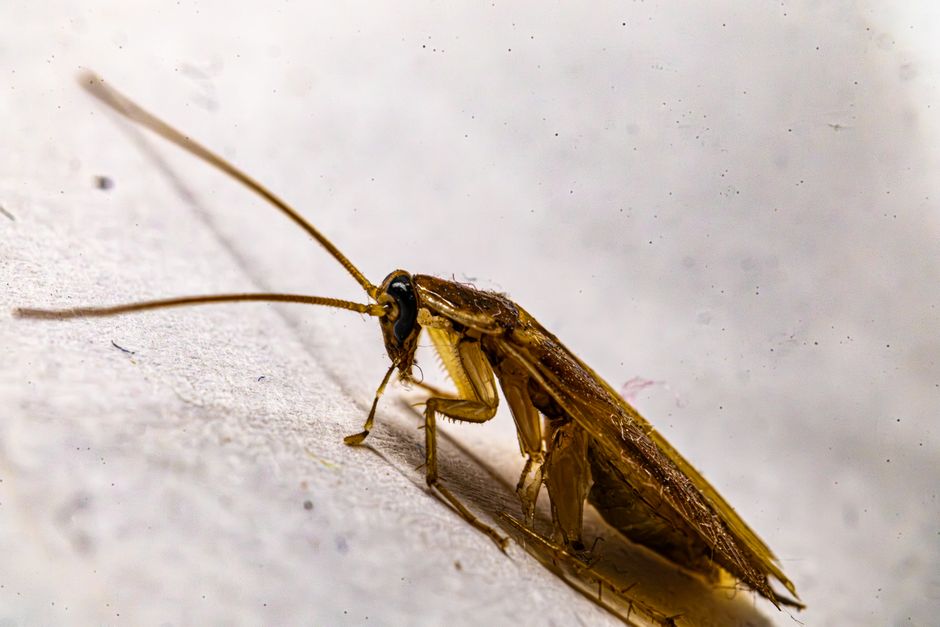
Cockroaches find their way into your kitchen by following their nose. They are drawn to the smells of food, moisture, and garbage that we produce every day. The most powerful attractants are fermenting sugars, starches, and grease, which is why crumbs and spills are an open invitation. To stop them, you have to remove the scent trails they follow, not just kill the ones you see. This article explains exactly which smells bring them in and how to eliminate those odors from your home.
What Smells Attract Cockroaches The Most?
Cockroaches are not picky eaters, but they do have clear preferences. Their antennae are packed with odor receptors that detect food sources from a distance. The strongest attractants are sweet, fermenting, and greasy smells.
Fermenting foods are at the top of the list. This includes ripe fruit, beer, wine, and anything with yeast. The fermentation process releases volatile compounds that cockroaches can detect quickly. A dropped grape under the fridge or a spilled beer on the counter is a powerful signal.
Grease and oils are close behind. Cockroaches need fats in their diet to survive. The smell of cooking oil, butter, bacon grease, or leftover fried food will pull them in from across the room. This is why the stove top and the area behind the oven are common hiding spots.
Starchy foods also rank high. Bread, pasta, rice, cereal, and flour all release odors that attract cockroaches. Even dry goods in sealed packages can be a problem if the package is cracked or left open. The starches break down into sugars that these insects can smell.
Sweet smells from sugar, honey, syrup, and chocolate are also strong attractants. These foods provide quick energy, and cockroaches have a well-documented preference for them. Any sticky residue left on counters or cabinets will keep sending a signal.
Why Do Certain Smells Pull Cockroaches Into Your Home?
Cockroaches rely on smell more than any other sense to find food and water. Their antennae contain thousands of sensory receptors tuned to detect organic compounds. These receptors are so sensitive that they can pick up food odors from several feet away.
Your kitchen produces a constant stream of these odors. When you cook, the heat releases volatile compounds into the air. When you throw away food scraps, the decomposition process creates new smells. When you leave dirty dishes in the sink, the food residue on plates continues to emit odors for hours.
Moisture amplifies every smell. Cockroaches need water to survive, and damp areas produce stronger odors. A leaky pipe under the sink, a wet sponge, or a damp dish towel all create conditions that make food smells more detectable. The combination of food odor and moisture is the most attractive signal of all.
One often overlooked source is pet food. Dry kibble and wet canned food are highly attractive to cockroaches. The smell of pet food left out overnight is essentially a dinner bell. Many people treat their kitchen but continue to have problems because they leave pet bowls filled all day.
What Smells Do Cockroaches Hate And Avoid?
While food smells attract cockroaches, certain strong scents can repel them. These are not guaranteed solutions, but they can be part of a broader prevention strategy.
Peppermint oil is one of the most commonly cited natural repellents. Some research suggests that high concentrations of peppermint oil can deter cockroaches. However, the effect is temporary and weak compared to professional insecticides. The oil evaporates quickly and needs constant reapplication.
Other essential oils like eucalyptus, tea tree, and lavender are also mentioned as repellents. The evidence for these is limited and mostly based on laboratory studies. In a real home with food odors present, these scents are unlikely to overpower the attraction of a crumb-filled kitchen.
Bay leaves are a popular folk remedy. The idea is that cockroaches dislike the smell and will avoid areas where bay leaves are placed. No strong scientific evidence supports this. Some people report success, but this is anecdotal. Relying on bay leaves alone will not solve an infestation.
Catnip is another option that has some research behind it. Studies have found that nepetalactone, the active compound in catnip, can repel cockroaches. But again, the practical effect in a real home is uncertain. These natural scents may offer minor deterrence, but they do not address the root cause of the problem.





How To Eliminate The Smells That Attract Cockroaches
The most effective way to stop cockroaches is to remove the smells that bring them in. This requires a thorough cleaning routine that goes beyond the visible surfaces.
Start with the kitchen counters. Wipe them down every evening with a cleaning solution that cuts grease. Pay special attention to the areas around the stove, the coffee maker, and the toaster. These appliances collect grease and food particles that you cannot see.
Do not leave dirty dishes in the sink overnight. Food residue on plates and utensils emits odors that attract cockroaches. Wash dishes promptly or at least rinse them and stack them out of sight. The sink drain itself is also a source of food smells. Clean it regularly with baking soda and vinegar.
Sweep and mop the floors frequently. Crumbs and spills on the floor are a primary food source for cockroaches. Focus on the areas under the refrigerator, the stove, and the cabinets. These are the places where food debris accumulates and goes unnoticed.
Take out the trash daily if you cook at home. The garbage can is a major attractant, especially if it contains food scraps. Use a can with a tight-fitting lid and clean the outside of the can regularly. The residue on the lid and the sides of the can also carries odors.
Store food in airtight containers. Transfer dry goods like flour, sugar, cereal, and pasta into sealed glass or plastic containers. Cardboard boxes and thin plastic bags are not enough to keep cockroaches out. They can chew through these materials to reach the food inside.
How To Stop The Smell At The Source
Cleaning removes the food odors, but you also need to address the places where cockroaches hide and breed. These areas produce their own odors that attract more cockroaches.
Cockroaches secrete aggregation pheromones. These chemical signals tell other cockroaches that a safe hiding spot exists. The pheromones are deposited in their feces and in the debris they leave behind. Even after you clean the food, these pheromone smells remain and continue to attract new cockroaches.
To break this cycle, you must clean the hiding spots. Vacuum the cracks and crevices along baseboards, behind appliances, and under cabinets. Dispose of the vacuum bag immediately because it will contain eggs and pheromone-laden debris.
Use a degreaser to clean the areas behind the stove and refrigerator. These spaces accumulate grease, food crumbs, and cockroach droppings. A thorough cleaning removes both the food source and the pheromone trail that guides cockroaches to the area.
Seal entry points after cleaning. Caulk the gaps around pipes, baseboards, and cabinets. Cockroaches can squeeze through openings as thin as a coin. If you remove the smells but leave the entry points open, new cockroaches will keep finding their way in.
What Smells Attract Cockroaches And How To Stop It With Professional Help
If you have cleaned thoroughly and still see cockroaches, you may have an established infestation. This means cockroaches are breeding somewhere in your home, and cleaning alone will not solve the problem.
Gel baits are one of the most effective tools for eliminating cockroaches. These baits contain a slow-acting poison mixed with a food attractant. Cockroaches eat the bait, return to their hiding spot, and die. Other cockroaches then eat the dead one and are poisoned as well. This chain reaction can eliminate an entire colony.
Insect growth regulators are another option. These chemicals stop cockroach nymphs from maturing into reproducing adults. They do not kill adult cockroaches directly, but they break the breeding cycle. Many professional treatments combine growth regulators with baits for a complete approach.
When the infestation is severe, professional pest control is the most reliable option. Exterminators have access to stronger chemicals and know where to apply them. They can also identify the specific species of cockroach and tailor the treatment accordingly.
After treatment, continue your cleaning routine. The smells that attract cockroaches will return if you stop cleaning. Prevention is an ongoing process, not a one-time fix. Keep food sealed, take out the trash, and wipe down surfaces daily to maintain a home that does not send out an invitation.
Frequently Asked Questions
Does bleach keep cockroaches away?
Bleach kills cockroaches on contact, but it does not repel them. The smell of bleach is not an attractant, but cockroaches will avoid treated areas only temporarily until the odor fades.
Will leaving lights on keep cockroaches out?
Cockroaches prefer darkness and will avoid well-lit areas, but light alone will not stop them. They will simply hide in dark spaces and come out when the lights are off.
How long does it take to get rid of cockroaches after cleaning?
Cleaning removes the attractants, but it does not kill the cockroaches already in your home. With baits and proper treatment, it can take one to two weeks to see a significant reduction in activity.
Can cockroaches smell food through sealed containers?
No, cockroaches cannot smell food through properly sealed airtight containers. This is why transferring dry goods into glass or thick plastic containers is an effective way to block the odor signal.
