
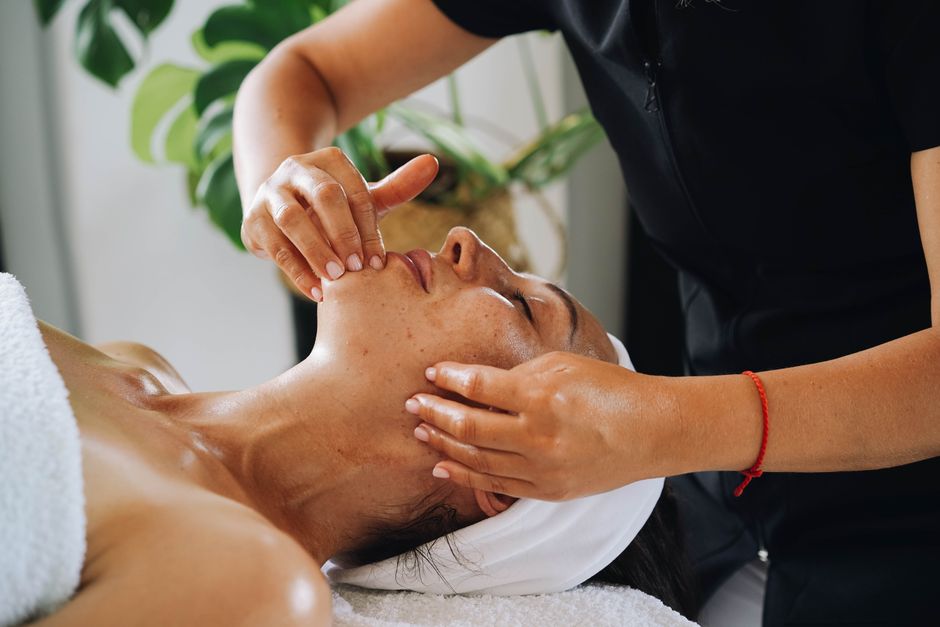
Skin shade is not a simple label. It is the depth and tone of your skin’s natural color, shaped mostly by how much melanin your skin produces. You can find your shade by looking at your bare skin in natural daylight and comparing it to a shade range, or by checking how your skin responds to sun exposure. Skin shade is different from skin undertone, and knowing both helps you choose makeup, sunscreen, and clothing that actually suit you.
What Does Skin Shade Actually Mean?
Skin shade describes how light or dark your skin is. It sits on a scale from very fair to very deep. This is separate from undertone, which is the subtle hue beneath the surface — warm, cool, or neutral.
The main driver of shade is melanin, the pigment made by cells called melanocytes. Everyone has roughly the same number of melanocytes. What differs is how much pigment those cells produce and how it is packaged and distributed. That is why two people with the same sun habits can have very different shades.
Shade is not fixed for life. It shifts with sun exposure, age, hormones, and some medications. A person who tans easily may look two shades darker in late summer than in February. This is normal and expected.
One point people often miss: skin shade and undertone are measured separately, and a person can have any combination of the two. A very fair person can have a warm undertone. A deep-skinned person can have a cool undertone. Assuming shade predicts undertone is one of the most common mistakes in choosing makeup.
What Skin Shade Are You? How to Find Out
The most reliable way to find your shade is to look at your bare skin in natural, indirect daylight. Artificial light, especially warm indoor bulbs, distorts color and will give you a false reading.
Follow these steps:
- Stand near a window on a cloudy day or in open shade. Direct sun adds red and darkens everything.
- Look at your face, neck, and the inside of your forearm together. The neck and jawline usually match your face best for makeup purposes.
- Compare your skin to a shade range — a foundation line, a shade card, or a printed chart — held right next to the skin, not at arm’s length.
- Notice how your skin reacts to sun. This gives you a rough category, explained below.
If you are choosing foundation, test on the jawline rather than the back of the hand. Hand skin is often a different shade from the face, and matching to it is a frequent cause of the wrong color.
What Are the Fitzpatrick Skin Types?
The Fitzpatrick scale is the most widely used system for classifying skin by shade and sun response. A dermatologist named Thomas Fitzpatrick developed it in the 1970s, originally to predict how different skin would respond to ultraviolet light during treatment.
It sorts skin into six types based on how much you burn and how easily you tan:
- Type I: Very fair. Always burns, never tans.
- Type II: Fair. Usually burns, tans minimally.
- Type III: Medium. Sometimes burns mildly, tans gradually.
- Type IV: Olive or light brown. Rarely burns, tans easily.
- Type V: Brown. Very rarely burns, tans deeply.
- Type VI: Deeply pigmented. Almost never burns.
This scale is a tool, not a perfect science. It was built around burning and tanning, not around the full range of human skin color, and it does not capture undertone at all. Two people can share a Fitzpatrick type and still need completely different foundation. Clinicians use it because sun-response categories are useful for estimating ultraviolet sensitivity, but it should not be treated as a complete description of your skin.
What Is the Difference Between Skin Shade and Undertone?
Shade is how light or dark your skin is. Undertone is the underlying hue — the warm, cool, or neutral quality that sits beneath the surface color. They are two separate measurements.
Undertone usually falls into three broad groups:
- Warm: golden, peachy, or yellow hints.
- Cool: pink, red, or bluish hints.
- Neutral: a balance of both, with no strong lean either way.
A common way to check undertone is the vein test — looking at the veins on your inner wrist. Bluish veins are often read as cool, greenish as warm, and a mix as neutral. This test is popular but not reliable for everyone, particularly on deeper skin tones where veins are harder to see. A better approach is to compare how gold versus silver jewelry looks against your skin, or to hold white and off-white fabric near your face and see which makes your skin look clearer.
Here is where shade and undertone interact in a way that surprises people: the same shade name means different things across brands and regions. A “medium” in one foundation line can be lighter or darker than a “medium” in another. Shade labels are marketing categories, not standardized measurements. Always swatch rather than trust the name.
Why Does Skin Shade Change Over Time?
Skin shade is dynamic. It responds to several factors throughout life, and understanding them explains why your color is not a fixed number.
Sun exposure is the biggest short-term factor. Ultraviolet light triggers melanocytes to produce more melanin, which darkens skin. This is the tanning response, and it is the skin’s attempt to protect itself from further UV damage.
Age changes shade gradually. Melanin production often becomes less even, leading to age spots, freckling, and patchy color. Skin also thins with age, which can make it appear slightly different in tone.
Hormones affect pigmentation. Pregnancy, hormonal contraception, and thyroid changes can cause darkening of the face, a condition called melasma. This is more common in people with medium to deeper skin and in those with a family history of it.
Medications and health conditions can shift skin color too. Some drugs cause photosensitivity, making skin darken or burn more easily in sun. Certain medical conditions cause generalized darkening or lightening. If your shade changes noticeably without an obvious cause, that is worth raising with a doctor.
Does Skin Shade Affect Sun Protection Needs?
Everyone needs sun protection, but the risk profile differs by shade. This is one of the areas where the honest evidence matters more than the marketing.
Darker skin has more melanin, which provides some natural protection against ultraviolet radiation. Melanin absorbs and scatters UV light, so deeper skin generally burns less easily and has a lower risk of skin cancer overall. That part is well established.
But lower risk is not no risk. People with deeper skin can and do get skin cancer, and when they do, it is often diagnosed later, which makes it harder to treat. A widely repeated claim that dark skin does not need sunscreen is false and potentially harmful. Dermatology organizations consistently recommend sun protection for all skin types.
There is also a practical wrinkle worth knowing: many sunscreens leave a white or chalky cast on deeper skin because the mineral filters reflect visible light. This is a cosmetic problem, not a safety one, but it leads some people to skip sunscreen entirely. Modern formulations and tinted versions reduce this, and skipping protection is not a good trade-off.
For lighter skin, the calculus is different. Fair skin burns more readily and carries a higher baseline risk of sun-related skin damage, so consistent protection matters more, not less. The Fitzpatrick type gives a rough sense of where you sit, but the basic advice holds across the range: protect your skin from excess UV.
How Do You Use Skin Shade When Choosing Products?
Knowing your shade makes several everyday decisions easier, and the payoff is mostly practical rather than medical.
For makeup, match foundation to the jawline in daylight, and pick a formula built for your undertone as well as your shade. A foundation that matches in depth but clashes in undertone will look off — too orange or too ashy — even if the lightness is correct.
For clothing and color, there is no rule that certain shades suit certain skin. The idea that some colors are “off-limits” for a given skin tone is style opinion, not science. What generally works is contrast: colors close to your own shade can wash you out, while colors with clear contrast tend to look sharper. This is a matter of preference, not a hard rule.
For skincare, shade matters most in how you assess products. Reactions like redness, irritation, or post-inflammatory darkening can look different on different skin depths, and darker skin is more prone to lingering dark marks after inflammation. That does not change what a product does — it changes what you notice and how long it takes to fade.
The most useful habit is simply to know both your shade and your undertone, and to stop trusting labels alone. Swatch, compare in daylight, and adjust as your skin changes with the seasons.
Frequently Asked Questions
How do I find my skin shade at home?
Look at your bare face and neck in natural, indirect daylight and compare them to a shade range held close to the skin. Your reaction to sun — whether you burn or tan — gives a rough category to start from.
What is the difference between skin shade and undertone?
Shade is how light or dark your skin is, while undertone is the warm, cool, or neutral hue beneath the surface. You can have any shade paired with any undertone, which is why both matter for makeup.
Can my skin shade change over time?
Yes. Sun exposure, age, hormones, and some medications can all shift your skin’s color. Noticeable changes without an obvious cause are worth discussing with a doctor.
Do people with darker skin need sunscreen?
Yes. Melanin gives some natural protection, but deeper skin can still be damaged by ultraviolet light and can develop skin cancer, often diagnosed later. Dermatology organizations recommend sun protection for all skin types.
