
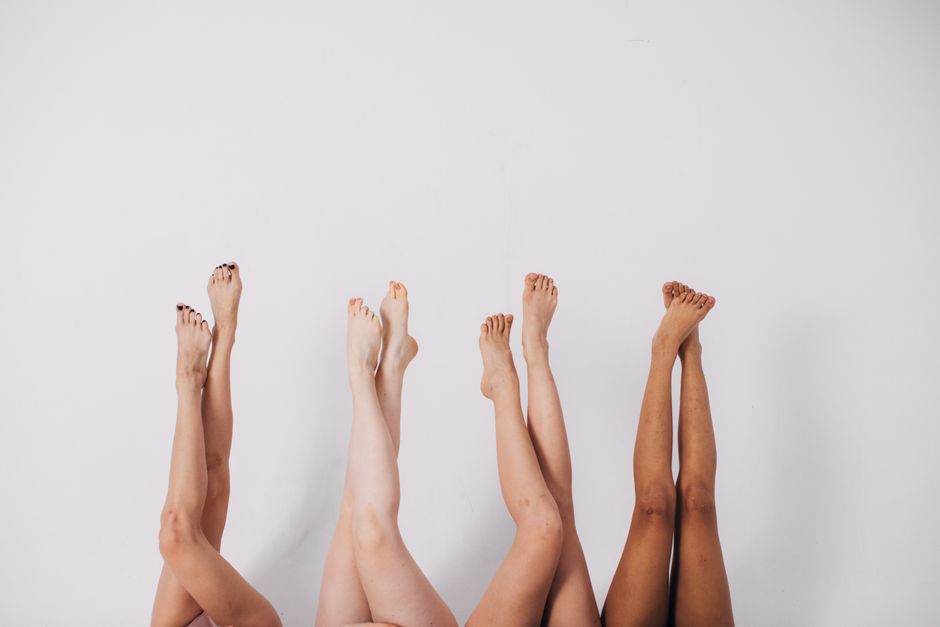
“What skin color are you?” is a question with no single correct answer, because human skin color is not a set of distinct categories. It is a continuous range produced by the amount and type of a pigment called melanin, and every person’s shade falls somewhere along that range. Skin color is determined mainly by genetics and by how much melanin your skin produces, and it is shaped over a lifetime by sun exposure, age, and other factors.
Most people do not fit neatly into the labels used on forms or in everyday conversation. The words we use for skin color — fair, olive, brown, dark, Black, white — are social descriptions, not biological ones. Understanding what actually creates skin color helps explain why it varies so widely and why no single label captures it fully.
What Determines Skin Color?
Skin color comes down to melanin, a pigment made by specialized cells called melanocytes in the outer layer of skin. Every human has roughly the same number of melanocytes. What differs between people is how much melanin those cells produce and how it is packaged and distributed.
There are two main types of melanin. Eumelanin is brown to black and provides most of the visible color in darker skin. Pheomelanin is red to yellow and is more prominent in lighter skin and in people with red hair. The mix and amount of these two pigments, along with how they are bundled inside cells, produce the full spectrum of human skin tones.
This is a key point that surprises many people: variation in skin color is not about having more or fewer pigment cells. It is about how active those cells are and how the pigment they make is distributed. That is why two people can look very different in shade while their skin is built the same way at the cellular level.
Skin color is a polygenic trait, meaning many genes influence it. Research has identified dozens of genes that affect pigmentation, and different populations carry different combinations. This is one reason skin color varies smoothly across the world rather than falling into neat groups.
Why Does Skin Color Vary Around the World?
Human skin color varies with geography, and the leading explanation involves ultraviolet (UV) radiation from the sun. This is one of the better-supported ideas in human biology, though like any evolutionary explanation it describes broad patterns rather than individual outcomes.
UV radiation has two opposing effects on the body. It helps the skin make vitamin D, which is needed for bone health and other functions. But too much UV can damage folate, a B vitamin important for cell division and healthy development. The idea is that skin pigmentation evolved as a balance between these pressures.
Near the equator, where UV is strong year-round, darker skin with more eumelanin offers more protection against folate breakdown. Farther from the equator, where UV is weaker, lighter skin allows more vitamin D production during the limited sunny months. This is why darker skin tones are more common in tropical regions and lighter tones in higher latitudes.
This does not mean skin color predicts any individual’s vitamin D level or health. It describes a population-level pattern shaped over thousands of years. Migration, diet, clothing, indoor work, and sunscreen all now affect how much UV any given person receives.
What Skin Color Are You if You Do Not Fit a Category?
Many people do not fit the standard categories, and that is normal rather than an exception. The labels on forms and in conversation are coarse tools. Real human skin tones blend continuously, and most people fall between the named groups.
The Fitzpatrick scale is a widely used tool in dermatology and medicine. It classifies skin into six types based on how it responds to sun exposure — specifically how easily it burns and how well it tans. It was developed to help clinicians estimate sun sensitivity and guide treatment decisions. It is a practical clinical tool, not a measure of identity or a complete description of appearance.
| Fitzpatrick Type | Typical Response to Sun | General Description |
|---|---|---|
| I | Always burns, rarely tans | Very fair, often with light eyes and freckles |
| II | Usually burns, tans minimally | Fair |
| III | Sometimes burns, tans gradually | Light to medium |
| IV | Rarely burns, tans easily | Olive to light brown |
| V | Very rarely burns, tans deeply | Brown |
| VI | Almost never burns | Deeply pigmented brown to black |
Notice that the scale is really about sun response, not color alone. Two people with similar-looking skin can land on different Fitzpatrick types. Clinicians use it as a rough guide, and it has known limitations, especially for people with darker skin.
Can Your Skin Color Change Over Time?
Your baseline skin color is largely set by genetics, but the shade you see in the mirror changes throughout life. The most familiar cause is a tan, which is the skin producing more melanin in response to UV exposure as a protective response.
Several other factors shift skin tone:
- Sun exposure darkens skin and can cause uneven pigmentation over time.
- Age brings changes, including age spots, thinning skin, and shifts in tone.
- Hormones can cause darkening, such as melasma, which is common during pregnancy and with some hormonal medications.
- Inflammation and injury can leave darker or lighter patches after healing, especially in darker skin.
- Medical conditions such as vitiligo, where patches of skin lose pigment, can change appearance significantly.
A tan is not a sign of health. It is evidence that your skin has been damaged by UV radiation, and that damage accumulates over the years. This matters for everyone regardless of skin tone.
Does Skin Color Affect Health Risks?
Skin color is linked to some health differences, but the reasons are not always what people assume. Some differences come from biology, such as how much UV protection melanin provides. Others come from social and environmental factors, including access to care, discrimination, and differences in how conditions are recognized.
Melanin does provide some protection against UV damage. People with more of it generally have a lower risk of sun-related skin damage. But this protection is partial, not complete. Skin cancer can and does occur in people with darker skin, and it is often diagnosed later because it is less expected. That delay can make outcomes worse.
One well-documented example: in people with darker skin, skin cancers such as acral melanoma more often appear on areas with little sun exposure, like the palms, soles, and under the nails. This is why everyone, regardless of skin tone, should know their own skin and have changes checked.
Vitamin D is another area where skin tone matters. Melanin reduces how much vitamin D the skin makes from sunlight. People with darker skin living at high latitudes, or who cover their skin or spend little time outdoors, may be more likely to have low vitamin D. Testing and supplementation decisions are best made with a clinician, since the right approach depends on individual factors.
Why Skin Color Labels Can Be Misleading
The words we use for skin color carry social meaning that goes far beyond pigment. Terms like “white,” “Black,” “Asian,” and “Hispanic” mix skin tone with ancestry, culture, and identity. They are not reliable descriptions of a person’s actual melanin level.
A person can have light skin and African ancestry, or dark skin and European ancestry. Genetic studies have repeatedly shown that skin color and genetic ancestry do not map onto each other neatly. This is why using skin color as a stand-in for biology or health risk can lead to errors in medicine and in everyday assumptions.
The most accurate answer to “what skin color are you?” is a description rather than a category — a shade, a response to sun, a family background. That description is more useful than any checkbox.
Frequently Asked Questions
What skin color am I if I have a mix?
You likely fall between the standard categories, which is common and normal. Skin tone is a continuous range, so many people do not match a single label.
Can skin color change permanently?
Some changes can be long-lasting or permanent, such as pigmentation from injury, hormonal conditions like melasma, or the pigment loss in vitiligo. A tan fades, but repeated sun exposure can cause lasting unevenness and damage.
Does darker skin need sunscreen?
Yes. Melanin offers partial protection but does not make sunscreen unnecessary, and skin cancer can occur in all skin tones. Sun protection is recommended for everyone.
Why do people have different skin colors?
Skin color is mainly determined by how much and what type of melanin the skin produces, which is set by many genes. Geography and UV exposure shaped broad patterns over thousands of years.
