
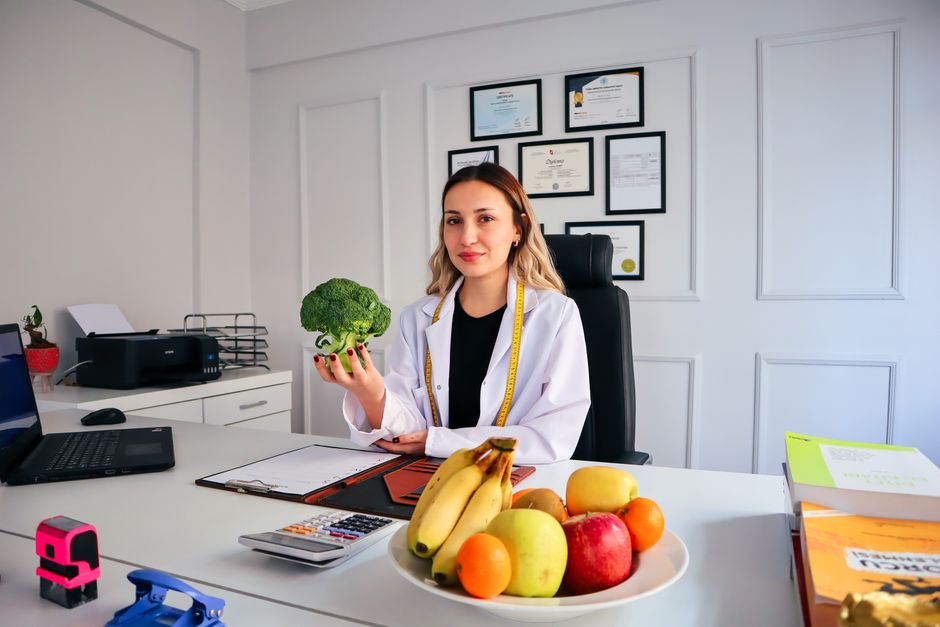
Becoming a dietitian takes more than an interest in healthy food. It requires a specific set of scientific, communication, and practical skills, all built on a formal education and supervised training. The core skills fall into four areas: clinical and scientific knowledge, nutrition assessment, counseling and behavior change, and professional communication. You also need the ability to work with people whose health conditions, cultures, and circumstances vary widely.
Dietitians are not the same as nutritionists. A registered dietitian (RD) or registered dietitian nutritionist (RDN) has completed specific education, an accredited supervised practice program, and a national exam. Many states also require a license. That training exists to build the skills below, and the credential is how the public can tell whether someone has them.
What Skills Do You Need To Be A Dietitian?
The skills that define a competent dietitian are scientific literacy, nutrition assessment, counseling, communication, cultural competence, and professional ethics. Each one is trained and tested, not assumed. Together they let a dietitian translate nutrition science into advice that fits a real person’s body, budget, culture, and medical situation.
What separates a dietitian from someone who has read a lot about food is the ability to apply evidence to an individual and to explain the reasoning clearly. A dietitian has to know not just what the research says, but whether it applies to the person in front of them.
What Science And Medical Knowledge Do Dietitians Need?
Dietitians need a working command of biochemistry, human physiology, and medical nutrition therapy. That means understanding how the body uses carbohydrates, proteins, fats, vitamins, and minerals, and how disease changes those needs. This is the foundation everything else rests on.
The coursework is genuinely demanding. Accredited programs include organic chemistry, biochemistry, anatomy and physiology, microbiology, and advanced nutrition science. That background matters because dietitians work with patients whose conditions interact with food in complex ways.
A few examples show why the science matters:
- Kidney disease changes how much protein, sodium, potassium, and phosphorus a person can safely take in.
- Diabetes management requires understanding how carbohydrates, insulin, and blood glucose interact.
- Critical illness and recovery from surgery can sharply raise calorie and protein needs.
A dietitian who only knows “eat more vegetables” cannot help these patients. The science is what allows safe, specific guidance.
How Do Dietitians Assess A Client’s Nutritional Needs?
Nutrition assessment is a core skill, and it is more structured than most people expect. Dietitians gather information across several areas and then interpret it together, rather than relying on any single measurement.
A typical assessment covers:
- Anthropometrics — height, weight, and body measurements, tracked over time.
- Biochemical data — lab values such as blood glucose, cholesterol, or nutrient levels.
- Clinical history — medical conditions, medications, and symptoms.
- Dietary intake — what a person actually eats, often through a food recall or food diary.
- Client context — living situation, budget, cooking access, and goals.
The skill is in the interpretation. A food diary alone tells you little. A dietitian connects the pattern to lab results, medical history, and the person’s real life, then decides what to address first. This is sometimes called the nutrition care process, and it is the standard framework dietitians use to assess, diagnose, plan, and monitor.
One point that surprises many people: a dietitian’s “nutrition diagnosis” is not a medical diagnosis. It identifies a specific nutrition problem, such as inadequate protein intake or difficulty swallowing, that the dietitian is trained to address. It is a separate professional step, not a substitute for a physician’s assessment.
Why Are Counseling And Behavior Change Skills Essential?
Knowing what someone should eat and getting them to actually do it are two different skills. Counseling is where many dietitians say the real work happens. Research consistently shows that advice alone rarely changes behavior for long.
Dietitians learn techniques such as motivational interviewing, which helps people find their own reasons to change rather than being told what to do. They also learn to set realistic goals, address barriers, and plan for setbacks. Some studies suggest that the quality of the counseling relationship predicts outcomes as much as the specific diet plan does.
This matters for a practical reason. A dietitian may see a client for a short series of visits. The goal is not to control what the person eats forever, but to build habits and skills that hold up after the visits end. That takes listening more than lecturing.
What Communication Skills Do Dietitians Need?
Dietitians have to explain complex science in plain language to people with very different backgrounds. They write chart notes for other clinicians, talk with families, and present to community groups. The same finding may need to be explained to a physician, a worried parent, and a person with limited reading skills.
That range requires flexibility. A dietitian might translate a lab result into a simple explanation, adjust advice for someone with limited food budget, or coordinate with a doctor, nurse, or physical therapist on a care team. Clear written communication matters too, because dietitians document their assessments and recommendations for other providers.
Cultural competence is part of this. Food is deeply tied to identity, religion, and family. A dietitian who ignores that will give advice people cannot or will not follow. The skill is adapting recommendations to a person’s actual food culture rather than asking them to abandon it.
What Practical And Professional Skills Round Out The Job?
Dietitians also need skills that are less about nutrition and more about working in real systems. Time management matters, because a clinical dietitian may see many patients in a day. Accuracy matters, because recommendations affect medical care.
Other practical skills include:
- Critical thinking — evaluating new research and spotting claims that outrun the evidence.
- Ethics and boundaries — staying within the scope of practice and referring to other professionals when needed.
- Technology use — electronic health records, nutrition software, and telehealth tools.
- Business and community skills — for dietitians working in private practice, food service, or public health.
Scope of practice is worth understanding. Dietitians are trained to provide medical nutrition therapy, but they do not diagnose disease or prescribe medication. Knowing where their expertise ends and another professional’s begins is itself a professional skill, not a limitation.
How Do You Build These Skills Through Education And Training?
These skills are developed through a structured path, not picked up informally. The route to becoming a registered dietitian typically includes a bachelor’s degree from an accredited program, a supervised practice experience, and passing a national exam. Many dietitians go on to earn a master’s degree.
The supervised practice piece is where classroom knowledge becomes usable skill. Students work in clinical settings, community programs, and food service, applying assessment and counseling under supervision. Requirements and pathways have changed in recent years, so anyone considering the field should check current requirements with the credentialing body and their state licensing board rather than relying on older information.
After credentialing, dietitians maintain skills through continuing education. Nutrition science moves, and a dietitian who stopped learning would quickly fall behind. Some pursue specialty certifications in areas such as diabetes, renal nutrition, or pediatrics, which build deeper skill in a specific field.
What Skills Are Not Required To Be A Dietitian?
You do not need to be a perfect eater, and you do not need to love cooking. Those are common assumptions, but they are not skills the profession tests. What matters is the ability to apply evidence and work with people.
You also do not need to memorize every nutrient value. Dietitians use reference data and tools rather than relying on memory. The skill is knowing how to find and interpret reliable information, not reciting it.
One honest clarification: the word “nutritionist” is used loosely and is not protected in most places, so the skills behind that title vary widely. The dietitian credential exists partly to give the public a reliable signal that a defined set of skills has been trained and verified.
Frequently Asked Questions
What is the most important skill for a dietitian?
Counseling and behavior change skills are often cited as the most important, because knowledge alone rarely changes what people eat. Strong scientific knowledge is the foundation that counseling rests on.
Do dietitians need good math skills?
Yes, basic math is used regularly for calculating nutrient intake, portion sizes, and tube-feeding or intravenous nutrition formulas. The math is practical rather than advanced.
Can you be a dietitian if you are not good at science?
It would be very difficult, because accredited programs require biochemistry, physiology, and other science coursework. The profession depends on applying that science safely to patient care.
What skills do dietitians need for working with patients?
Active listening, empathy, clear explanation, and cultural awareness are central. Dietitians also need to set realistic goals and help patients plan around barriers like budget or time.
