
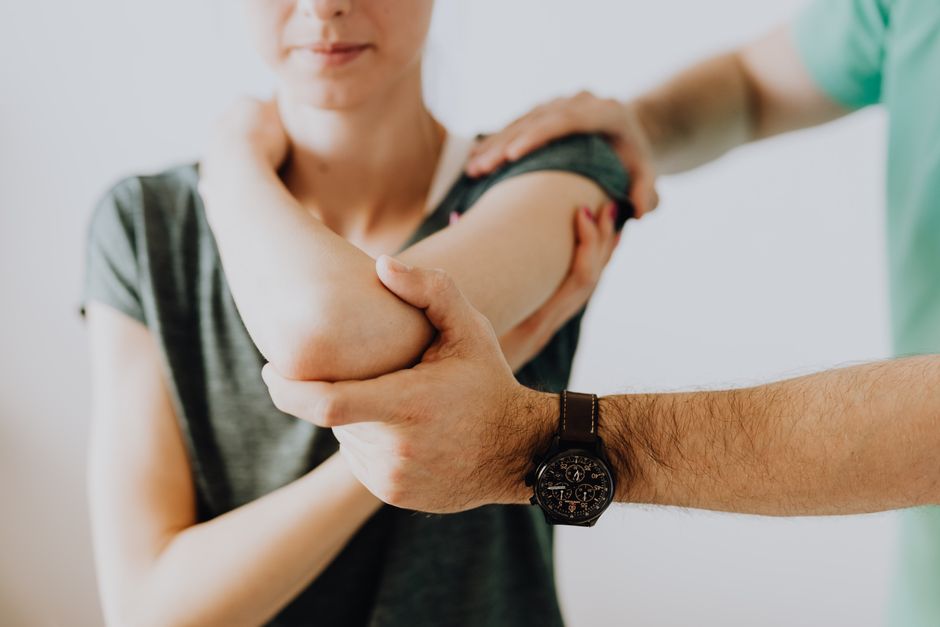
What you wear to physical therapy affects how well your therapist can see you move, how freely you can move, and how accurately they can measure your progress. The short answer: wear loose, comfortable clothing you can move in, and make sure the body part being treated is easy to expose or access. Athletic wear is a safe default for most appointments. If you are unsure, call the clinic ahead of time and ask.
That is the simple version. The details matter more than most people expect, because physical therapy is a hands-on, movement-based appointment. Your clothing is not decoration here. It is part of the equipment.
Why Does What You Wear To Physical Therapy Actually Matter?
A physical therapist assesses how your joints move, how your muscles fire, and where your movement breaks down. Clothing that hides or restricts those things makes their job harder and can limit what they can do for you in a single visit.
Consider a shoulder problem. If you arrive in a stiff collared shirt, your therapist cannot see your shoulder blade move as you raise your arm. They can work around it, but they lose information. For a knee or hip issue, tight jeans limit how far you can bend and can hide swelling or alignment problems.
There is also a practical side. Many sessions include hands-on techniques, stretches, and exercises. You will be getting on and off treatment tables, lying down, and moving through ranges of motion. Clothing that binds or rides up turns a focused session into a constant adjustment exercise.
One clarification worth making: this is not about looking a certain way. It is about giving your therapist clear access to the area they are treating and giving yourself freedom to move. A well-prepared patient often gets more done in the same appointment slot.
What Is The Best General Outfit For A Physical Therapy Appointment?
For most appointments, loose-fitting athletic clothing works well. Think a t-shirt or tank top with shorts, leggings, or sweatpants, plus supportive athletic shoes.
The reasoning is straightforward. Loose fabric lets your therapist see joint position and muscle movement. Stretchy material lets you reach end ranges of motion without restriction. Athletic shoes give you stable footing for balance and gait work.
A few reliable choices:
- A short-sleeved or sleeveless top if your upper body is being treated
- Shorts for knee, hip, or ankle issues
- Leggings or sweatpants for back, hip, or general mobility work
- Closed-toe athletic shoes with good support
- Layers you can remove if you warm up during exercise
Avoid jeans, dress pants, skirts, dresses, and heavy boots for most sessions. These restrict movement and make it harder for your therapist to assess you. If your appointment is for a specific joint, dress so that joint is easy to reach.
What Should You Wear If Your Lower Body Is Being Treated?
If your therapist is working on your knee, hip, ankle, or low back, they usually need to see and access your legs. Shorts are the most practical option for knee and ankle issues.
For hip and low back problems, loose shorts or flexible leggings work well. Some clinics provide gowns or shorts you can change into, but not all do. Bringing your own avoids a delay.
Footwear matters here too. If you are being treated for a lower-body issue, bring the shoes you normally wear. Your therapist may want to watch you walk in them. The way your foot hits the ground in your everyday shoes can reveal a lot about what is driving your pain.
One practical note: if you wear a brace, orthotic, or special shoe, bring it. Your therapist needs to see how you actually function in daily life, not just how you move barefoot.




What Should You Wear If Your Upper Body Is Being Treated?
For neck, shoulder, elbow, wrist, or upper back issues, a loose tank top or short-sleeved shirt is usually best. It gives your therapist access to your shoulder and arm without you needing to undress.
For shoulder problems specifically, sleeveless tops are often the most useful. Your therapist can watch your shoulder blade and arm move together, which is central to a proper assessment.
If you are being treated for a neck or upper back problem, a top that exposes your upper back helps. Some therapists will ask you to change into a gown for these sessions. If that is the case, they will tell you. You can always ask ahead of time what to expect.
Sports bras can be a sticking point for some patients. A standard sports bra can be hard to remove and may limit access. If your upper body is being treated and you normally wear a sports bra, consider a style with a front closure or adjustable straps, or ask the clinic what they recommend.
Does Footwear Really Change Your Physical Therapy Session?
Yes. Footwear can change how you walk, how you balance, and how much load travels through your joints. Your therapist often needs to see you in your real shoes, not just socks.
For most appointments, wear or bring supportive athletic shoes. Avoid flip-flops, sandals, and heels unless your therapist specifically asks you to wear them for assessment.
There is a reason for this. Footwear influences gait mechanics. A shoe with poor support can change your walking pattern and make it harder to assess what is actually happening at your knee, hip, or back. If you are being treated for a lower-body issue, the shoes you wear to the appointment are part of the exam.
If you are not sure what to bring, bring your everyday walking shoes and a pair of athletic shoes. That covers most situations.
What About Modesty, Comfort, And Personal Preferences?
Physical therapy can feel vulnerable. You are being examined, sometimes in positions that feel awkward. That is normal, and good clinics handle it well.
You are allowed to speak up. If you prefer to stay fully clothed, say so. If you would rather have a gown or a private changing area, ask. Most therapists will work with you and adjust their approach. Your comfort affects how well you can relax and move, which affects the quality of the session.
A few things that help:
- Ask ahead of time what the clinic recommends for your specific issue
- Bring a change of clothes if you are coming from work
- Wear layers so you can adjust as the session goes
- Speak up if something feels uncomfortable or unclear
There is no single correct outfit. There is a range of reasonable choices, and the best one depends on what is being treated. When in doubt, loose athletic clothing and supportive shoes cover most situations.
Frequently Asked Questions
Can I wear jeans to physical therapy?
Jeans are usually a poor choice because they restrict movement and make it hard for your therapist to assess or access the treated area. If your appointment is for an upper-body issue and you can move freely, they may be workable, but athletic wear is a safer default.
What should I wear to physical therapy for a knee problem?
Shorts are the most practical choice because they let your therapist see and access your knee, thigh, and lower leg. Bring supportive athletic shoes as well, since your therapist will likely want to watch you walk.
Do I need to bring a change of clothes to physical therapy?
Only if you are coming from work or somewhere that requires restrictive clothing. Many people change at the clinic before their session, so bringing a bag with athletic wear and shoes is a simple way to be prepared.
What shoes should I wear to physical therapy?
Supportive athletic shoes are the best general choice for most appointments. If you are being treated for a lower-body issue, bring the shoes you normally wear so your therapist can see how you actually walk.
