
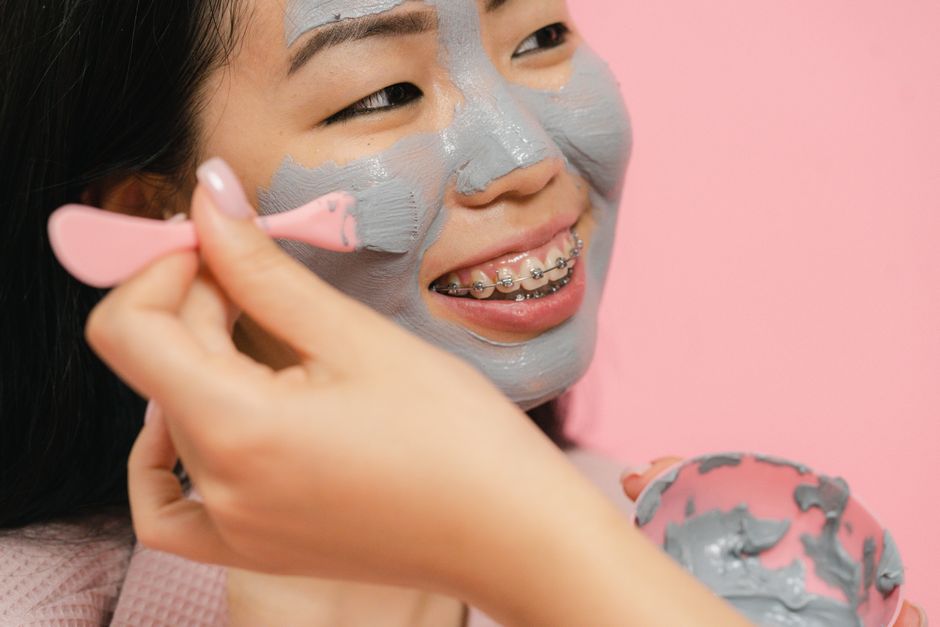
Getting braces changes how you eat, but it does not have to make mealtime miserable. The best foods to eat with braces are soft, low-sugar options that are easy to chew and do not stick to the brackets or wires. Think scrambled eggs, yogurt, mashed potatoes, soft-cooked pasta, bananas, and well-cooked vegetables. At the same time, you will want to avoid hard, sticky, and crunchy foods that can bend wires or break brackets.
That is the short answer. The longer answer is about why certain foods cause problems, which ones are worth avoiding entirely, and how to keep eating well while your teeth are moving. Most of the trouble with braces comes down to two things: force and stickiness. Foods that require hard biting can damage the hardware. Foods that cling to brackets feed the bacteria that cause decay.
Why Do Certain Foods Cause Problems With Braces?
Braces work by applying steady, gentle pressure that moves teeth through bone over time. The brackets are bonded to your teeth, and the wire connects them. That system is strong, but it is not indestructible.
Hard foods create sudden force. Biting into a whole apple, a carrot stick, or a piece of hard candy can pop a bracket off or bend the wire. A bent wire can change the direction of force on a tooth, which may slow treatment or require an extra office visit to fix.
Sticky foods are a different problem. Caramel, taffy, gummy candy, and similar items can pull at brackets and get wedged around the wires. Even after brushing, sticky residue can sit in places a toothbrush struggles to reach. That residue feeds the bacteria that produce acid and cause cavities.
There is a third issue that gets less attention: cleaning. Food that packs into the brackets and along the gumline is harder to remove with braces than without them. This is why the food choices that matter most are the ones that are both easy to chew and easy to clean away.
What Should You Eat With Braces in the First Few Days?
The first days after getting braces or after an adjustment are the sorest. Teeth feel tender and pressure-sensitive, and chewing can be uncomfortable. Soft foods are not just easier during this window — they are often the only thing that feels tolerable.
Good options during this stretch include:
- Scrambled eggs and soft omelets
- Yogurt and cottage cheese
- Mashed potatoes and soft-cooked rice
- Smoothies and protein shakes
- Applesauce and soft-cooked fruit
- Oatmeal and soft cereals
- Soup and broth-based dishes
- Soft pasta and noodles
Cold foods can help with soreness. A cold smoothie or chilled yogurt may feel soothing on tender gums. This soreness is usually temporary, and most people find chewing gets easier within a few days. If pain is severe or lasts longer than expected, that is worth a call to your orthodontist rather than something to push through.
Which Foods Should You Avoid With Braces?
Some foods are worth cutting out for the duration of treatment. The list below covers the categories that most often cause broken brackets, bent wires, or decay.
Hard foods: whole apples, raw carrots, hard pretzels, nuts, ice, hard candy, and crusty bread. These can crack brackets or bend wires with a single bite.
Sticky foods: caramel, taffy, gummy bears, licorice, marshmallows, and sticky dried fruit. These cling to brackets and are hard to brush away.
Crunchy foods: popcorn, chips, and crunchy granola. Popcorn kernels are a common culprit for getting stuck under the gumline and around wires.
Sugary drinks: soda, sweetened juice, and sports drinks. Liquid sugar bathes the teeth and feeds cavity-causing bacteria, especially around brackets where cleaning is hardest.
Some of these foods can be adapted rather than avoided. An apple can be cut into thin slices or grated. Carrots can be cooked until soft. Corn can be cut off the cob. A little preparation goes a long way.
How Do You Keep Eating a Balanced Diet With Braces?
It is easy to drift toward soft, starchy, sugary foods when your teeth hurt. That is understandable, but it is worth paying attention to, because a diet heavy in refined carbs and sugar is the same diet that promotes cavities — and braces make cleaning harder.
Protein is a good anchor. Eggs, yogurt, soft-cooked fish, ground meat, beans, and soft tofu all work well with braces and help you feel full. Cooked vegetables, soft fruits, and whole grains round things out.
Calcium and vitamin D matter for the bone that surrounds and supports your teeth. Dairy, fortified plant milks, and leafy greens are reasonable sources. This is general nutrition guidance, not a braces-specific treatment, but it is relevant because orthodontic treatment involves the bone remodeling around your teeth.
If you are vegetarian, vegan, or dealing with food allergies, the soft-food list can get narrower. In that case it may help to talk with a dietitian who can help you hit protein and nutrient targets without relying on foods that are hard on your braces.
Does What You Drink Matter With Braces?
Yes, and it often gets overlooked. Drinks do not require chewing, so people assume they are safe. But sugary and acidic drinks still affect your teeth.
Water is the obvious best choice. It helps rinse away food particles and does not feed bacteria. Milk is a reasonable option for many people because it contains calcium and protein. Unsweetened tea and coffee are generally fine, though coffee and tea can stain the elastic bands and clear brackets over time.
Soda, sweetened juice, and sports drinks are the ones to watch. Sipping them slowly throughout the day is worse than drinking them quickly with a meal, because it keeps teeth bathed in sugar and acid for longer. If you do drink them, rinsing with water afterward helps.
How Should You Care for Your Teeth While Eating This Way?
Food choices and cleaning habits work together. Even the best braces-friendly diet will cause problems if food sits on the teeth for hours.
Brushing after meals is the standard recommendation, along with flossing or using interdental brushes to get around brackets and wires. Your orthodontist will usually give you specific tools and instructions for your setup. A water flosser can help dislodge food that a regular brush misses, though it does not replace flossing.
Avoid grazing on snacks all day. Every time you eat, bacteria produce acid for a period afterward. Frequent snacking keeps that acid cycle going. Fewer, more substantial meals tend to be easier on teeth than constant nibbling.
Regular dental checkups during orthodontic treatment matter more than usual, because brackets create spots where decay can start quietly.
Can You Still Eat Some of Your Favorite Foods?
Often yes, with adjustments. The goal is not to eliminate everything you enjoy for two years. It is to change how you eat the foods that cause trouble.
Cut hard foods into small pieces instead of biting into them whole. Cook vegetables until they are soft. Choose soft versions of snacks. Chill foods if your teeth are sore. Swap sticky candy for chocolate, which melts and does not cling the same way.
If a bracket does come loose or a wire starts poking, that is not an emergency in most cases, but it should be addressed. Call your orthodontist rather than trying to fix it yourself. Poking wires can be temporarily covered with orthodontic wax, which most offices provide.
The honest summary: braces do not require a complicated diet. They require paying attention to texture and sugar, keeping up with cleaning, and being willing to cut things into smaller pieces. Most people adjust within a few weeks and barely think about it after that.
Frequently Asked Questions
What foods can I eat the day I get braces?
Stick to soft foods like yogurt, scrambled eggs, mashed potatoes, and smoothies on the first day. Your teeth will likely be sore for a few days, so soft options are easiest to manage.
Can I eat pizza with braces?
Yes, if you eat it carefully. Soft pizza is usually fine, but avoid the hard crust edges and cut slices into smaller pieces instead of biting into them.
Is popcorn really bad for braces?
Popcorn is one of the more common causes of problems because the kernels are hard and the hulls get stuck around wires and under the gums. It is generally best avoided during treatment.
How long do I need to avoid hard foods with braces?
For as long as you have braces, which is typically one to three years depending on your treatment plan. Your orthodontist can give you a more specific timeline for your case.
