
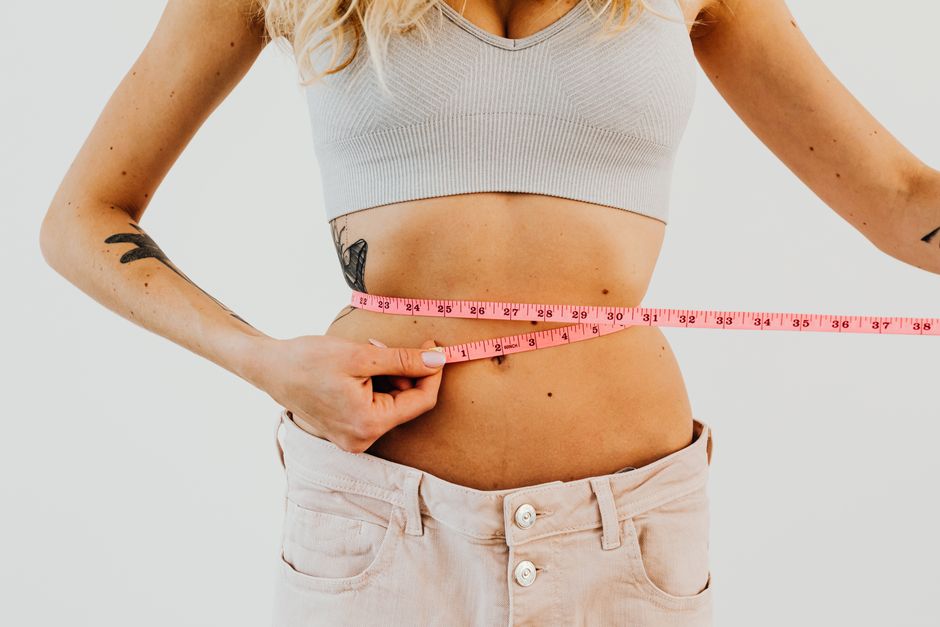
Body fat percentage is a more telling health number than the scale alone. It measures the proportion of your total weight that comes from fat, and it changes naturally as you age. Healthy ranges differ for men and women, and they shift upward over the decades. For most adults, a healthy body fat percentage falls between roughly 14–31% for women and 8–25% for men, depending on age and fitness level.
What Should My Body Fat Percentage Be By Age? Key Facts
There is no single “perfect” number that applies to everyone. Age matters because body composition changes with time. Muscle mass tends to decline after age 30, and fat distribution shifts. The ranges below reflect what medical and fitness professionals generally consider healthy for different age groups.
For women, the essential fat level is higher than for men. This is because fat supports reproductive function and hormonal balance. Women typically need at least 10–13% body fat for basic physiological function, while men need about 2–5%.
The American Council on Exercise publishes widely used categories. They are a helpful starting point, though individual health depends on more than a single percentage.
Healthy Body Fat Ranges for Women by Age
Women naturally carry more body fat than men. This difference is biologically necessary. The ranges below reflect typical healthy values across age groups.
Women aged 20–39: 21–32% is considered healthy. Athletes may fall between 14–20%, and anything above 32% falls into the overweight or obese categories.
Women aged 40–59: 23–33% is the healthy range. Hormonal changes, particularly around perimenopause and menopause, can increase fat storage, especially around the abdomen.
Women aged 60 and older: 24–35% is generally considered acceptable. Some decline in muscle mass is expected, and a slightly higher fat percentage can be normal. The key is maintaining enough lean mass to support mobility and metabolic health.
Healthy Body Fat Ranges for Men by Age
Men have lower essential fat requirements than women. Testosterone supports muscle maintenance, which keeps body fat naturally lower in most men.
Men aged 20–39: 8–20% is the healthy range. Athletes often fall between 6–13%, and values above 20% begin to raise health concerns.
Men aged 40–59: 11–22% is considered healthy. Testosterone levels gradually decline with age, which can slow metabolism and make fat loss more difficult.
Men aged 60 and older: 13–25% is the typical healthy range. Preserving muscle becomes increasingly important, as age-related muscle loss, known as sarcopenia, can begin as early as the 30s and accelerates after 60.




Why Body Fat Percentage Matters More Than Weight
Two people can weigh the same amount but have very different body compositions. A person with more muscle and less fat will look leaner and typically have better metabolic health than someone with the same weight and higher fat percentage.
High body fat, particularly around the abdomen, is linked to increased risk of heart disease, type 2 diabetes, and metabolic syndrome. Visceral fat — the fat stored deep inside the belly around your organs — is more dangerous than subcutaneous fat, which sits just under the skin.
Body fat percentage gives you a clearer picture of these risks than weight alone. A normal BMI does not guarantee a healthy body fat level. Some people have “normal weight obesity,” where their weight looks fine on paper but their body fat percentage is elevated.
How Body Fat Percentage Is Measured
Not all measurement methods are equally accurate. The method you choose affects the number you see, so consistency matters more than chasing a specific reading.
Bioelectrical impedance analysis (BIA) is the most common home method. Many bathroom scales use this technology. It sends a small electrical current through the body and estimates fat based on how quickly the current travels. Hydration levels, recent meals, and exercise can skew the results by several percentage points.
Skinfold calipers measure fat thickness at specific body sites, usually the abdomen, thighs, and chest. Accuracy depends heavily on the skill of the person taking the measurements. When done correctly, this method is reliable and inexpensive.
DEXA scans (dual-energy X-ray absorptiometry) are considered one of the most accurate clinical methods. They use low-dose X-rays to measure bone density, lean mass, and fat mass. These scans are more expensive and typically require a clinic or hospital visit.
Hydrostatic weighing and air displacement plethysmography (like the Bod Pod) are also highly accurate. They measure body density by comparing weight on land to weight underwater or in a sealed chamber.
What Your Body Fat Percentage Does Not Tell You
Body fat percentage is one number. It does not tell you where your fat is distributed, which matters for health. Waist circumference is a simple and useful complement. A waist measurement above 35 inches for women or 40 inches for men indicates higher visceral fat and increased health risk, regardless of total body fat percentage.
Body fat percentage also does not reflect muscle quality, bone density, or cardiovascular fitness. You can have a healthy body fat percentage and still be metabolically unhealthy. Conversely, some athletes with higher body fat percentages are in excellent cardiovascular shape.
Do not treat any single measurement as a verdict. Trends over time matter more than one reading. If your body fat percentage is moving upward while your weight stays the same, you are likely losing muscle and gaining fat — a pattern that deserves attention.
How to Lower Body Fat Safely
Reducing body fat requires a sustained calorie deficit, but the quality of that deficit matters. Crash dieting leads to muscle loss, which lowers your metabolism and makes future fat loss harder.
Protein intake becomes more important with age. Research consistently shows that adequate protein helps preserve lean mass during weight loss. Most adults benefit from including a source of protein at each meal — eggs, fish, poultry, beans, or dairy.
Resistance training is the most effective exercise for preserving muscle while losing fat. Weight training two to three times per week helps maintain the lean mass that keeps your metabolism running. Cardio is valuable for heart health, but it does not preserve muscle as effectively as resistance work.
Sleep matters more than most people realize. Poor sleep disrupts hunger hormones, increases cravings for high-calorie foods, and is consistently linked with higher body fat levels. Adults need seven to nine hours per night for optimal metabolic function.
When Body Fat Percentage Can Be Misleading
Athletes and very muscular individuals may have body fat percentages that look high on paper while being perfectly healthy. Muscle is denser than fat, so a muscular person can have a higher BMI and body fat reading while carrying very little actual fat.
Older adults face the opposite problem. Age-related muscle loss can make body fat percentage look lower than it truly is, because both muscle and fat decrease. This is why combining body fat percentage with measurements like waist circumference and grip strength gives a more complete picture.
Certain medical conditions and medications affect body fat distribution. Corticosteroids, for example, can increase abdominal fat. Thyroid disorders alter metabolism and fat storage. If your body fat percentage changes suddenly without an obvious cause, discuss it with your doctor.
Frequently Asked Questions
What is a normal body fat percentage for a 50-year-old woman?
A healthy range for women aged 40–59 is 23–33%. Values below this may indicate insufficient fat stores, while values above it raise metabolic health concerns.
What is a healthy body fat percentage for a 60-year-old man?
For men aged 60 and older, 13–25% is generally considered healthy. Maintaining muscle mass becomes increasingly important at this age to support mobility and metabolic health.
Can you lower your body fat percentage after 50?
Yes, but it requires more deliberate effort than at younger ages. Resistance training and adequate protein intake are essential for preserving muscle while losing fat, since natural muscle loss accelerates after 50.
Is BMI or body fat percentage more accurate?
Body fat percentage is more informative than BMI for most individuals. BMI does not distinguish between muscle and fat, so muscular people can be misclassified as overweight while people with normal weight obesity go undetected.
