
For most adults with diabetes, a reasonable bedtime blood sugar target is between 90 and 150 mg/dL. For adults without diabetes, bedtime blood sugar typically falls between 90 and 110 mg/dL. The exact number that is right for you depends on your age, your medications, and whether you have other health conditions.
Blood sugar does not stay flat overnight. It shifts as you sleep, and those shifts matter. Understanding what is normal, what is not, and why the difference matters can help you and your doctor make better decisions.
What Should My Blood Sugar Be At Bedtime?
The American Diabetes Association publishes target ranges for adults with diabetes. A common bedtime target is 90 to 150 mg/dL. This is not a single magic number. It is a range, and your doctor may adjust it based on your situation.
For people without diabetes, fasting blood sugar in the morning is typically below 100 mg/dL. Bedtime readings tend to fall in a similar range, roughly 90 to 110 mg/dL. These numbers reflect a body that regulates glucose automatically through insulin and other hormones.
In diabetes, that regulation is impaired. The target range widens because keeping blood sugar perfectly in the non-diabetic range at all hours is not always realistic or safe. Trying too hard to hit a low number overnight can cause hypoglycemia, which is dangerous during sleep when you may not feel the warning signs.
Your doctor sets your personal target. Age, how long you have had diabetes, whether you take insulin or medications that can cause lows, and whether you have heart disease or other conditions all factor in. Older adults and people with certain health problems often get a higher target range. Pregnant women with diabetes typically get tighter targets, but those are set by their care team.
Why Does Blood Sugar Change Overnight?
Blood sugar is not static. It responds to hormones, meals, activity, and medication around the clock. Several well-understood processes affect overnight glucose.
The dawn phenomenon is a natural rise in blood sugar that happens in the early morning hours, usually between 3 a.m. and 8 a.m. The body releases hormones like cortisol and growth hormone during sleep. These hormones reduce insulin sensitivity and signal the liver to release glucose. In people without diabetes, the body compensates with more insulin. In diabetes, that compensation is insufficient, and morning blood sugar rises.
The Somogyi effect is different. It describes a rebound high in the morning after an overnight low. The theory is that low blood sugar triggers counter-regulatory hormones that push glucose up. Some clinicians question how often this actually happens, and the evidence is mixed. The dawn phenomenon is far better established.
What you eat before bed matters. A large meal or a high-carbohydrate snack close to bedtime can raise blood sugar for hours. Alcohol can lower it initially and then cause a rise later. Exercise during the day can lower blood sugar for up to 24 hours afterward, sometimes causing overnight lows.
Medication timing and dose play a major role. Long-acting insulin, for example, has a peak and duration that affect overnight levels. Getting the timing wrong can push blood sugar too low or too high while you sleep.
What Is a Dangerous Blood Sugar at Night?
Hypoglycemia, or low blood sugar, is the more immediate danger overnight. The American Diabetes Association defines level 1 hypoglycemia as below 70 mg/dL. Level 2, which is more serious, is below 54 mg/dL. Severe hypoglycemia is when you need someone else’s help to treat it.
At night, low blood sugar is especially risky because you may sleep through the early warning signs. Shakiness, sweating, and hunger may not wake you. If blood sugar drops far enough, it can cause seizures, loss of consciousness, or death. This is why doctors often set bedtime targets higher for people who take insulin or sulfonylureas.
High blood sugar at night is less immediately dangerous but still matters. Persistent readings above 180 mg/dL over time damage blood vessels and nerves. Over months and years, that damage leads to complications in the eyes, kidneys, heart, and feet. A single high reading is not an emergency. A pattern of high readings is a problem worth addressing.
Very high blood sugar, typically above 250 mg/dL with symptoms like nausea, confusion, or rapid breathing, can signal a medical emergency. This is rare but serious. If it happens, seek care immediately.





How Do You Check Blood Sugar Before Bed?
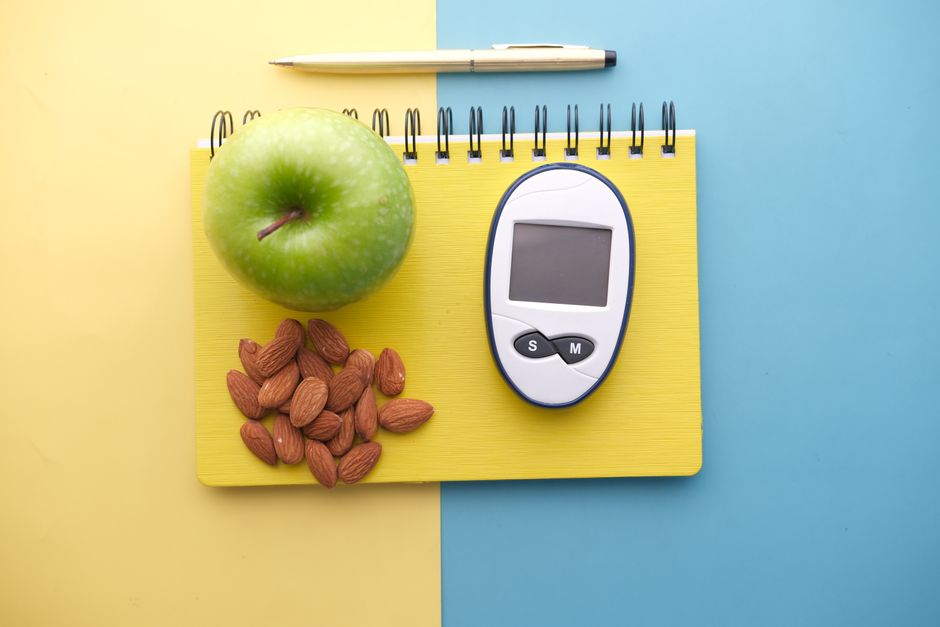
A blood glucose meter or a continuous glucose monitor gives you the number. A fingerstick meter measures glucose in a small drop of blood. A continuous glucose monitor, or CGM, uses a small sensor under the skin to read glucose every few minutes.
CGMs have changed overnight monitoring. They can alert you if your glucose is falling while you sleep. Some systems can even predict a low before it happens. Research consistently shows that CGM use improves glucose control and reduces hypoglycemia in people who use insulin, though access and insurance coverage vary.
If you use a fingerstick meter, checking right before bed gives you one data point. Checking at 2 or 3 a.m. occasionally can reveal patterns. If you use a CGM, you can review overnight trends in the morning and see what happened while you slept.
Timing matters. Check after your last meal has had time to digest, usually at least two hours. Check before any bedtime snack or medication. Write the number down or log it in an app. Patterns over days and weeks are more useful than any single reading.
What Affects Your Bedtime Blood Sugar Target?
Several factors shift the target up or down. No single number works for everyone.
- Age: Older adults often have higher targets because low blood sugar is more dangerous for them.
- Medications: Insulin and sulfonylureas can cause lows, so targets may be higher. Metformin and most other diabetes drugs rarely cause hypoglycemia on their own.
- Hypoglycemia awareness: If you do not feel lows coming on, your doctor may set a higher target.
- Pregnancy: Targets are tighter, but they are set and monitored closely by a care team.
- Other health conditions: Kidney disease, heart disease, and cognitive impairment can all affect target decisions.
- Diabetes duration: Longer duration often means more difficulty sensing lows, which may lead to higher targets.
The American Diabetes Association emphasizes that targets should be individualized. What is safe for a healthy 40-year-old with well-controlled type 2 diabetes may not be safe for a frail 80-year-old on insulin.
When Should You Talk to Your Doctor?
Talk to your doctor if your bedtime readings are consistently above 180 mg/dL or below 90 mg/dL. Talk to them if you wake up with headaches, night sweats, or feeling unusually tired. These can be signs of overnight lows or highs.
Talk to them if you are having low blood sugar at night more than once a week. That is a pattern that needs attention. It may mean your medication dose or timing needs adjustment.
Bring your log or CGM data to the appointment. Patterns are more useful than single numbers. Your doctor can see whether the issue is the dawn phenomenon, a medication effect, or something else, and adjust your plan accordingly.
Do not adjust insulin or other medication doses on your own based on a few readings. Overnight changes can have serious consequences. Work with your care team.
What If You Do Not Have Diabetes?
If you do not have diabetes, your body regulates blood sugar automatically. Bedtime readings typically fall between 90 and 110 mg/dL, and they stay stable overnight. You do not need to check unless your doctor has a reason.
Some people without diabetes experience reactive hypoglycemia, a drop in blood sugar after eating. It is uncommon and usually mild. If you have symptoms like shakiness or sweating after meals, talk to your doctor. Do not assume it is low blood sugar without testing.
If you have risk factors for diabetes, such as a family history, excess weight, or a history of gestational diabetes, your doctor may recommend screening. The standard screening tests are fasting glucose, A1C, or an oral glucose tolerance test. Bedtime monitoring is not part of routine screening for people without diabetes.
Frequently Asked Questions
What is a normal blood sugar at bedtime?
For adults without diabetes, bedtime blood sugar typically falls between 90 and 110 mg/dL. For adults with diabetes, the American Diabetes Association suggests a target range of 90 to 150 mg/dL, though individual targets vary.
Is 180 blood sugar at bedtime too high?
Yes, 180 mg/dL at bedtime is above the recommended target range for most adults with diabetes. It is not an emergency, but a pattern of readings at or above this level should be discussed with your doctor.
What is a dangerously low blood sugar at night?
Blood sugar below 70 mg/dL is considered hypoglycemia, and below 54 mg/dL is more serious. Overnight lows are dangerous because you may not wake up to treat them.
Should I eat a snack before bed to prevent low blood sugar?
Only if your doctor or diabetes care team recommends it. A snack can help prevent overnight lows for some people, but it can raise blood sugar too high for others. The decision depends on your medications, activity level, and bedtime reading.
