
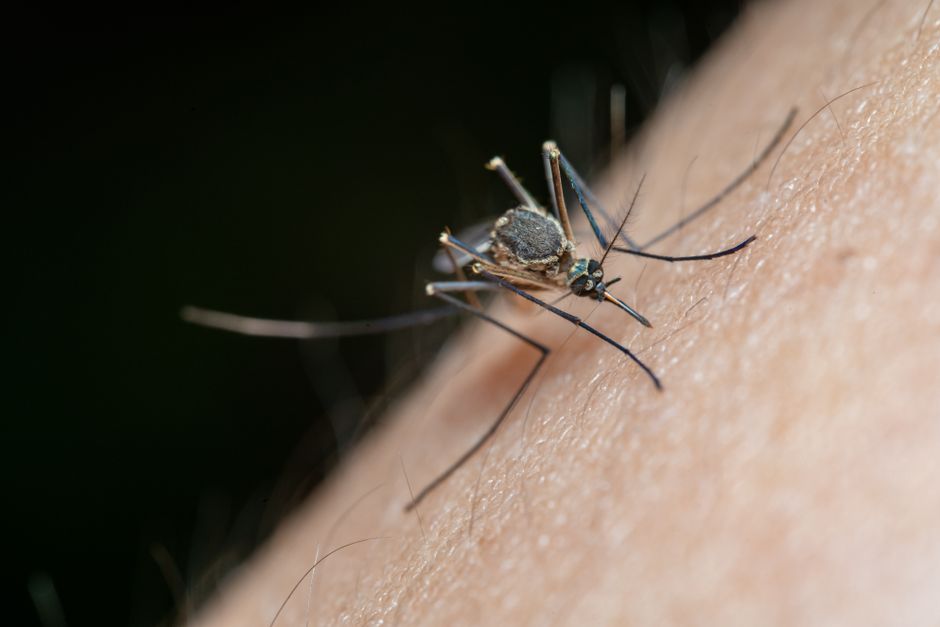
That maddening itch from a bug bite can ruin a good night’s sleep or a day at the park. The fastest relief comes from a few proven options: a cold compress, an over-the-counter hydrocortisone cream, or an oral antihistamine. For most common bites, these three approaches will calm the itch quickly and safely. Start with a cold pack to numb the area, then apply a low-strength steroid cream to reduce the inflammation driving the itch.
Why Do Bug Bites Itch In The First Place?
The itch is not caused by the bite itself. It is caused by your immune system reacting to the saliva the insect leaves behind.
When a mosquito, flea, or bed bug bites you, it injects saliva that contains proteins. Your body recognizes these proteins as foreign invaders. In response, your immune system releases histamine and other chemicals. Histamine makes small blood vessels widen and leak fluid, which causes redness and swelling. It also irritates nearby nerves, and that nerve irritation is what you feel as itching.
This reaction is why most itch treatments work in one of two ways. They either cool and numb the skin to block the nerve signal, or they reduce the histamine response to stop the reaction at its source.
What Should I Put On Bug Bites To Stop The Itch?
For an immediate response, reach for a cold compress. Wrap an ice pack or a bag of frozen vegetables in a thin towel and hold it on the bite for 10 to 15 minutes. Cold numbs the nerve endings and constricts blood vessels, which reduces both swelling and the itch sensation. You can repeat this as often as needed throughout the day.
For longer-lasting relief, a low-strength hydrocortisone cream is the most effective over-the-counter option. A 1% hydrocortisone cream works by suppressing the local immune response. It reduces the inflammation in the skin, which directly calms the itch. Apply a thin layer to the bite once or twice a day. Do not use it on broken skin or on the face unless a doctor has told you it is safe.
If you have many bites or the itching is keeping you awake, an oral antihistamine can help. Antihistamines like cetirizine, loratadine, or diphenhydramine block the histamine receptors in your body. This reduces the overall allergic response. Diphenhydramine (Benadryl) is sedating, so it can help with sleep, but it may cause drowsiness the next day. The newer non-drowsy options work well for daytime itching.
Are Natural Remedies Actually Effective?
Many natural remedies are popular, but the evidence for most of them is thin. Aloe vera gel is soothing and can cool the skin, but it does not have strong anti-inflammatory properties. It may provide temporary comfort but is unlikely to stop the itch for long.
Tea tree oil and other essential oils are sometimes recommended, but they carry risks. Undiluted essential oils can irritate the skin or cause allergic contact dermatitis. That can make the bite worse, not better. No large clinical trials have confirmed that any essential oil reliably reduces bug bite itching.
Oatmeal baths and baking soda pastes are old home remedies. Some research suggests colloidal oatmeal has mild anti-inflammatory properties, and a cool oatmeal bath can be soothing if you have many bites. But for a single bite, a cold compress is faster and more effective.
One natural option with decent support is calamine lotion. Calamine contains zinc oxide and ferric oxide. It has a mild astringent and cooling effect. It is not as strong as hydrocortisone, but it can help with mild itching and is safe for most people, including children.




What About Heat Pens And Other Gadgets?
Heat pens are small devices that deliver a short, concentrated pulse of heat to a bite. The idea is that a brief burst of heat — around 120°F — confuses the nerve signals and reduces the itch. Some small studies suggest these devices can provide temporary relief for some people.
The evidence is limited, and results vary from person to person. A heat pen may help for a short time, but it does not treat the underlying inflammation. If the device does not help within a few minutes, you are better off using a cold compress or hydrocortisone cream.
These devices are generally safe when used as directed, but they are not a replacement for standard treatments. If you have sensitive skin or a history of heat sensitivity, skip the gadget and stick with proven options.
When Should You Not Scratch And Why It Matters
Scratching provides a few seconds of relief but makes things worse in the long run. When you scratch, you damage the skin and trigger more inflammation. This creates a cycle: the skin becomes more irritated, which makes it itch more, which makes you scratch more.
Scratching can also break the skin, opening the door for bacteria. If bacteria get in, the bite can become infected. Signs of infection include increasing redness, warmth, swelling, pain, or yellow discharge. If you see these signs, stop treating the itch and see a doctor. An infected bite may need a prescription antibiotic.
To protect your skin, keep your nails short. You can also cover the bite with a bandage to create a physical barrier. Some people find that pressing on the bite with a finger or the pad of a thumb provides relief without breaking the skin.
What To Avoid Putting On Bug Bites
Some common products and practices can make bites worse. Avoid applying rubbing alcohol directly to a fresh bite. Alcohol evaporates quickly and can dry out the skin, which may increase irritation. It does not reduce the histamine response.
Do not use a paste made from crushed aspirin. Some people believe this helps, but it can cause skin irritation and, in rare cases, chemical burns. There is no evidence that topical aspirin relieves itch.
Skip the toothpaste trick. Toothpaste contains abrasives, detergents, and flavoring agents that can irritate sensitive skin. It may feel cool for a moment, but it is not a treatment.
Never use heat from a hair dryer or a lighter-heated spoon. Heat that is too intense can burn the skin and cause permanent damage. The pain from a burn will easily replace the itch, and you will have a worse injury to deal with.
When Bug Bites Need Medical Attention
Most bug bites are harmless and heal on their own within a few days. But some situations require a doctor’s care.
Seek medical attention if you have signs of a severe allergic reaction. These include difficulty breathing, swelling of the lips or throat, dizziness, or hives spreading beyond the bite area. This is a medical emergency. Call 911 or go to an emergency room immediately.
See a doctor if a bite shows signs of infection. Increasing pain, redness that spreads, warmth, or pus mean the bite may be infected. You may need a prescription antibiotic cream or an oral antibiotic.
If you have a known allergy to bee or wasp stings, carry your epinephrine auto-injector with you and use it at the first sign of a systemic reaction. Do not wait to see if symptoms get worse.
How To Prevent Bites In The First Place
Prevention is more effective than treatment. Use an EPA-registered insect repellent containing DEET, picaridin, or oil of lemon eucalyptus. These ingredients are proven to repel mosquitoes and other biting insects. Follow the label instructions for application, especially for children.
Wear long sleeves and pants when you are in wooded or grassy areas. Tuck your pants into your socks to keep ticks from crawling up your legs. Check your body for ticks after spending time outdoors.
Use permethrin-treated clothing if you are in an area with heavy tick or mosquito activity. Permethrin is an insecticide that binds to fabric and stays effective through multiple washes. Do not apply permethrin directly to your skin.
Keep your home protected by using screens on windows and doors. Remove standing water around your property, as mosquitoes breed in stagnant water. Check your pets for fleas regularly, especially if they spend time outside.
Frequently Asked Questions
How long does a bug bite itch last?
Most bites itch for 2 to 5 days. The itch usually peaks in the first 24 to 48 hours and then gradually fades.
Can I use hydrocortisone cream on my face for a bug bite?
You should avoid hydrocortisone on the face unless a doctor recommends it. The skin on the face is thin, and steroids can cause thinning or discoloration with prolonged use.
Is it safe to put ice directly on a bug bite?
No, never put ice directly on your skin. Always wrap ice or a cold pack in a thin cloth or towel to prevent frostbite and skin damage.
Does Benadryl cream work better than hydrocortisone for bites?
Hydrocortisone is generally more effective because it directly reduces inflammation. Benadryl cream contains an antihistamine, but topical antihistamines can cause allergic reactions in some people. Oral antihistamines are usually a better choice.
