
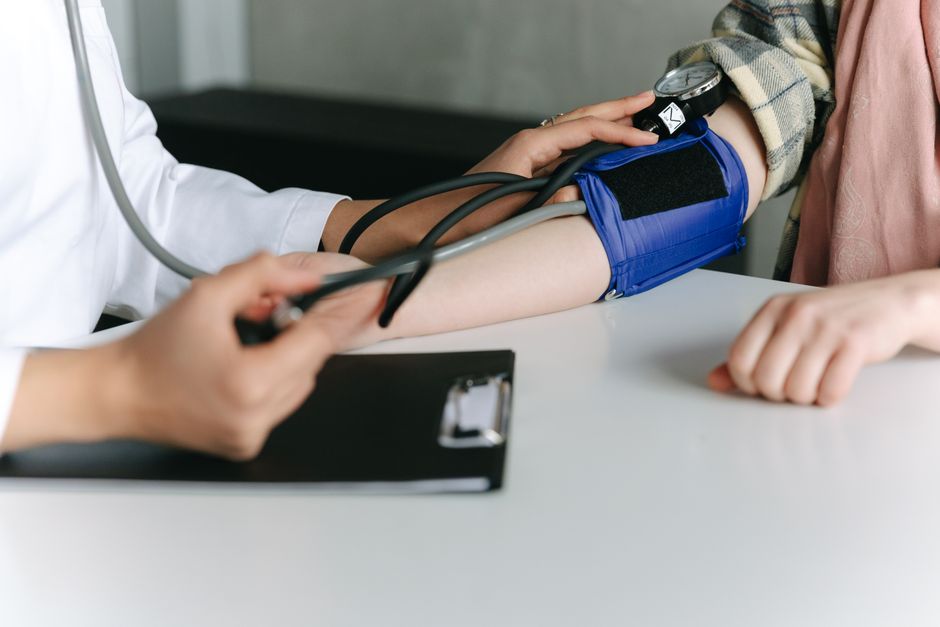
A reading of 150 means your systolic pressure — the top number — is in the stage 2 hypertension range. That is not a number to ignore, but it is also not usually a reason to panic. Sit quietly for five minutes and measure again. If it stays at or above 140/90, contact your doctor, and if it reaches 180/120 or comes with chest pain, shortness of breath, weakness, or trouble speaking, call 911.
One elevated reading is a data point, not a diagnosis. Blood pressure moves throughout the day with stress, caffeine, sleep, and even the way you sit. What matters is the pattern. This guide explains what 150 likely means, when it needs same-day attention, and what actually helps bring it down.
What Does a Blood Pressure Reading of 150 Mean?
Blood pressure is written as two numbers. The top number, systolic pressure, is the force against your artery walls when your heart contracts. The bottom number, diastolic pressure, is the pressure when your heart rests between beats.
Current clinical guidelines classify blood pressure into these ranges:
- Normal: below 120/80 mm Hg
- Elevated: 120–129 systolic and below 80 diastolic
- Stage 1 hypertension: 130–139 systolic or 80–89 diastolic
- Stage 2 hypertension: 140 or higher systolic or 90 or higher diastolic
- Hypertensive crisis: above 180 systolic and/or above 120 diastolic
A single systolic reading of 150 puts you in the stage 2 range. But diagnosis requires more than one measurement. Clinicians typically confirm high blood pressure using repeated readings on separate occasions, often alongside home monitoring.
Here is a distinction many people miss: a reading taken during a stressful moment — rushing to an appointment, arguing, or right after coffee — can run well above your true resting pressure. That does not make the number meaningless. It just means you need a cleaner measurement before drawing conclusions.
What Should I Do If My Blood Pressure Is 150 Right Now?
Start by sitting down and measuring again correctly. Most inaccurate home readings come from simple technique errors, not faulty devices.
Follow these steps:
- Sit quietly for five minutes before measuring
- Keep your back supported and both feet flat on the floor
- Rest your arm on a table at heart level
- Use a cuff that fits your upper arm properly — not your wrist
- Avoid caffeine, exercise, and smoking for 30 minutes beforehand
- Take two readings one minute apart and average them
If the repeat reading is still at or above 140/90, call your doctor’s office. Describe the reading and ask how they want you to proceed. Many practices will schedule a prompt visit or ask you to monitor at home for a few days.
Do not take an extra dose of blood pressure medication to bring the number down faster unless a clinician has told you to. That can drop pressure too far and cause dizziness or fainting.
When Is a Blood Pressure of 150 an Emergency?
A systolic reading of 150 on its own is not a medical emergency. The situation changes if the number climbs much higher or if symptoms appear.
Call 911 or go to an emergency room if you have a reading above 180/120, especially with any of these signs:
- Chest pain or pressure
- Shortness of breath
- Severe headache
- Vision changes or blurred vision
- Weakness or numbness on one side of the body
- Difficulty speaking
- Confusion
These symptoms can signal a hypertensive crisis — dangerously high pressure that may be damaging organs. It is uncommon, but it is treatable when addressed quickly. Do not wait to see if it passes.
Some people develop very high blood pressure with no symptoms at all. That is why a number above 180/120 should be rechecked after five minutes of rest even if you feel fine, and why persistent readings that high warrant urgent medical contact.
What Causes Blood Pressure to Reach 150?
Most high blood pressure has no single identifiable cause. This is called primary or essential hypertension, and it develops gradually through a mix of genetics, age, and lifestyle.
Blood pressure tends to rise with age as arteries stiffen. Being overweight, eating a high-sodium diet, drinking heavily, and not getting regular physical activity all contribute. So does chronic stress and poor sleep.
Some cases have a specific underlying cause — kidney disease, thyroid problems, sleep apnea, or certain medications. This is called secondary hypertension. It is less common but worth ruling out, particularly when blood pressure is very high or appears suddenly in younger adults.
Certain medicines can push pressure up, including some decongestants, nonsteroidal anti-inflammatory drugs, and certain hormonal treatments. If your pressure rose after starting a new medication, mention it to your doctor.
What Actually Lowers Blood Pressure Over Time?
Lifestyle changes genuinely reduce blood pressure, and the effect is measurable. They work best alongside medication when medication is needed, not instead of it.
Reduce sodium. Cutting sodium intake lowers blood pressure for many people. The effect varies — some people are more salt-sensitive than others — but the direction is consistent across large studies.
Follow a DASH-style eating pattern. This approach emphasizes vegetables, fruits, whole grains, and low-fat dairy while limiting saturated fat. Research funded by the National Institutes of Health established DASH as an effective dietary pattern for lowering blood pressure.
Move more. Regular aerobic activity such as brisk walking, cycling, or swimming lowers systolic pressure over weeks to months. The key word is regular — sporadic exercise does less.
Limit alcohol. Heavy drinking raises blood pressure. Reducing intake tends to lower it.
Lose excess weight. Even modest weight loss can lower blood pressure meaningfully in people carrying extra weight.
None of these changes work overnight. Expect weeks to months for measurable effects. That timeline matters — it means you should not judge a lifestyle change by tomorrow’s reading.
Do You Need Medication for a Reading of 150?
Sometimes yes, sometimes no. The decision depends on more than one number.
Clinicians consider your overall cardiovascular risk, not just the reading. Age, diabetes, kidney disease, smoking, cholesterol, and whether you have already had a heart attack or stroke all factor in. Two people with the same 150 systolic can get different recommendations.
For stage 2 hypertension, many guidelines suggest starting medication alongside lifestyle changes rather than trying lifestyle alone first. But this is a clinical judgment, and it is worth an honest conversation with your doctor about why a particular approach is being recommended for you.
If you are prescribed medication, take it as directed and keep monitoring. Blood pressure medicines are adjusted over time based on how you respond. The first prescription is rarely the final one.
How Should You Track Blood Pressure at Home?
Home monitoring gives a clearer picture than occasional office readings. It also helps your doctor make better decisions.
Measure at roughly the same times each day — often morning and evening. Log the numbers along with the date and time. Bring the log to appointments. A week or two of consistent readings is far more useful than one high number at the office.
Use a validated upper-arm monitor. Wrist and finger monitors are less reliable. If you are unsure whether your device is accurate, bring it to an appointment and compare it against the office reading.
One practical note: home readings often run slightly lower than office readings because the setting is calmer. Your doctor will interpret them in that context, so do not worry if the numbers do not match exactly.
Frequently Asked Questions
Is a blood pressure of 150 dangerous?
A systolic reading of 150 is in the stage 2 hypertension range and should be addressed, but it is not usually an emergency on its own. Danger rises sharply with symptoms or readings above 180/120.
Should I go to the hospital with a blood pressure of 150?
Not unless you have symptoms like chest pain, shortness of breath, severe headache, vision changes, or weakness. Without symptoms, contact your doctor promptly instead.
Can stress cause a blood pressure reading of 150?
Yes. Acute stress, caffeine, and physical activity can temporarily push systolic pressure to 150 or higher. Rest for five minutes and recheck before assuming it is your baseline.
How fast can blood pressure be lowered safely?
Gradual reduction over weeks is standard for most people with chronic high blood pressure. Rapid lowering is reserved for emergencies and is managed in a hospital setting.
