
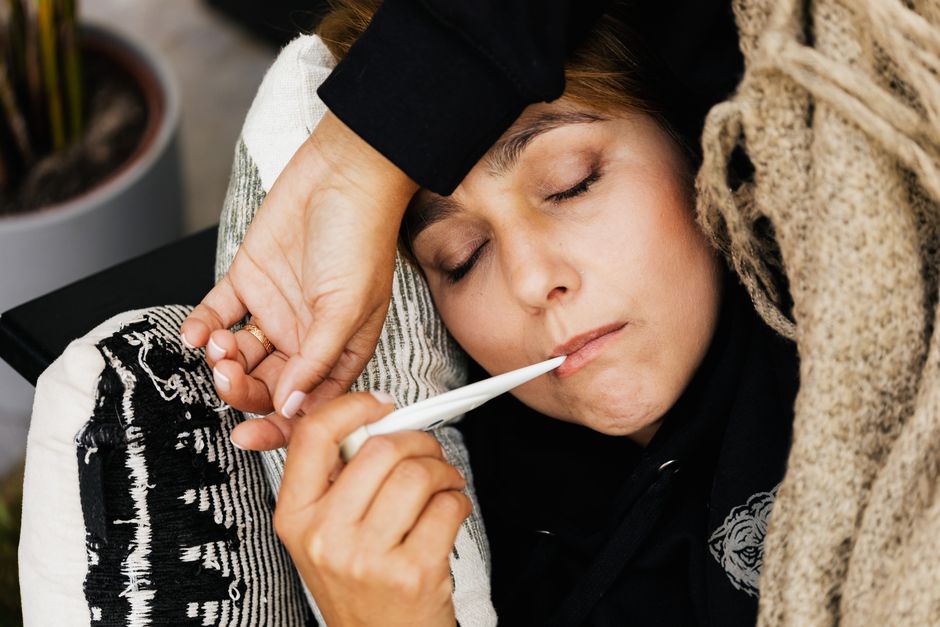
You feel that familiar scratch at the back of your throat, or a sudden heaviness behind your eyes, and you know something is starting. The most useful things you can do right now are simple and boring: rest, drink fluids, and treat symptoms as they appear. No supplement, vitamin, or over-the-counter product has been shown to reliably stop a cold once it has started. Antibiotics do nothing for colds because colds are caused by viruses.
That last point matters more than most people realize. Feeling a cold coming on is not a signal to run to urgent care for a prescription. It is a signal to slow down, stay comfortable, and let your immune system do work it has done hundreds of times before.
What Actually Causes a Cold?
Colds are infections of the upper respiratory tract, and they are caused by viruses, not bacteria. Several different virus families are responsible, which is one reason you can catch cold after cold and never build lasting immunity to “the cold” as a whole.
Rhinoviruses are the most common cause. Coronaviruses, adenoviruses, respiratory syncytial virus, and parainfluenza viruses also cause colds. This viral diversity is exactly why there is no single vaccine and no cure. It also explains why a cold you had last winter gives you little protection against the one you catch this fall.
The virus enters through your nose or eyes, usually from your own hands after touching a contaminated surface, or from droplets in the air when someone near you coughs or sneezes. It then attaches to the lining of your nasal passages and begins to multiply. Your symptoms — the runny nose, the congestion, the sneezing — are largely your immune system’s response, not the virus itself.
What Should I Do If I Feel A Cold Coming On?
Start with rest and fluids, and treat the symptoms that bother you most. That is the honest, evidence-based answer. Everything else is either comfort care or something the evidence does not strongly support.
Here is what is worth doing:
- Rest. Your body is mounting an immune response. Sleep supports that process. There is no proven number of hours that shortens a cold, but pushing through with intense exercise while acutely ill is not advisable.
- Drink fluids. Water, broth, and warm liquids help keep your throat comfortable and replace losses from a runny nose and fever. There is no specific volume that has been shown to shorten a cold.
- Use saline nasal rinses or sprays. These are low-risk and can ease congestion. If you use a neti pot or rinse, use distilled, sterile, or previously boiled and cooled water only. Tap water is not safe for nasal rinsing.
- Consider over-the-counter symptom relief. Decongestants, antihistamines, and pain relievers can make you more comfortable. They do not shorten the cold.
- Stay home if you can. You are most contagious in the first few days. Resting also helps you avoid spreading the virus to others.
What is not worth doing: antibiotics, which do not treat viral infections. And there is no product that reliably “stops a cold in its tracks” once symptoms begin.
Do Vitamin C, Zinc, or Echinacea Actually Help?
The evidence for popular cold remedies is weaker than the marketing suggests. This is one of the most oversold categories in all of health retail.
Vitamin C. Taken regularly before you get sick, vitamin C does not appear to reduce how often adults catch colds. Some research suggests it may slightly shorten how long a cold lasts, but the effect is small and inconsistent. Taking a large dose after symptoms start has not been shown to help.
Zinc. Some studies suggest zinc lozenges or syrup may shorten a cold if started within the first day or two of symptoms. The results across studies are mixed, and zinc can cause nausea and a bad taste. It can also interfere with some medications, and long-term high-dose zinc can cause copper deficiency. Talk to a pharmacist or clinician before using it, especially if you take other medicines.
Echinacea. Studies have produced inconsistent results. Some show a modest benefit, others show none. The evidence is not strong enough to recommend it.
Other products. Elderberry, garlic, and various “immune support” blends are widely sold. No large, well-designed human trials have confirmed that they shorten or prevent colds. That does not mean they are dangerous. It means the claims outrun the evidence.





How Long Does a Cold Last, and When Should I Worry?
A typical cold improves on its own within about a week to ten days. Some coughs linger a bit longer, sometimes up to two or three weeks, because the airways stay irritated after the infection clears.
Symptoms usually build over two to three days, peak, then gradually fade. A mild sore throat often comes first, followed by congestion, runny nose, and sometimes a cough.
Certain signs mean it is time to see a clinician rather than wait it out:
- A fever above 101°F (38.3°C) that lasts more than a few days, or any fever in an infant
- Symptoms that get worse after seeming to improve
- Shortness of breath, wheezing, or chest pain
- Severe headache, stiff neck, or confusion
- Symptoms lasting more than about ten days without improvement
- Ear pain or facial pain that worsens
These can point to a secondary bacterial infection such as sinusitis, an ear infection, or pneumonia, which may need different treatment. A cold that turns a corner and gets worse is not just a stubborn cold.
Cold, Flu, or Something Else?
Colds and influenza share symptoms, but they tend to feel different. A cold usually comes on gradually. Flu tends to hit fast, often within a day, and brings fever, body aches, and exhaustion that a cold rarely causes.
| Feature | Common Cold | Influenza |
|---|---|---|
| Onset | Gradual over 1-3 days | Sudden, often within hours |
| Fever | Rare or mild | Common, often 100-102°F or higher |
| Body aches | Mild | Common and pronounced |
| Fatigue | Mild | Often severe, can last weeks |
| Headache | Uncommon | Common |
| Sneezing, stuffy nose | Very common | Sometimes |
This distinction matters because antiviral medications for influenza work best when started early, while there is no comparable antiviral for the common cold. If you are in a high-risk group — older adults, pregnant people, or those with chronic conditions — and you develop sudden fever and body aches, contact a clinician promptly rather than assuming it is just a cold.
COVID-19 can also look like a cold, particularly in people who are vaccinated. Testing is the only reliable way to tell them apart when symptoms overlap.
How Do You Keep From Spreading It?
You are most contagious during the first few days, when symptoms are at their worst. The virus spreads mainly through droplets and through your hands.
Hand washing with soap and water is the most reliable step. Wash for at least 20 seconds. When soap is not available, an alcohol-based hand sanitizer works. Cover coughs and sneezes with your elbow or a tissue, and throw the tissue away right after. Clean frequently touched surfaces like doorknobs and phones.
There is a practical point many people miss: you can spread a cold before you feel sick, and you stay contagious for a while after you start feeling better. Staying home during the worst days protects the people around you more than any product you can buy.
Can You Prevent a Cold in the First Place?
You cannot prevent every cold, but you can lower your odds. The same habits that limit spread also limit your own exposure.
Frequent hand washing, avoiding touching your face, and keeping distance from people who are obviously sick all help. Getting enough sleep and managing stress support normal immune function, though the precise effect on cold frequency is hard to measure. Smoking and secondhand smoke increase respiratory infections and make symptoms worse.
No supplement has been convincingly shown to prevent colds in the general population. If a product promises to stop you from getting sick, treat that claim with skepticism.
Frequently Asked Questions
How long does a cold usually last?
Most colds improve within about seven to ten days, though a lingering cough can last two to three weeks. If symptoms last longer than ten days without improving, see a clinician.
Should I take antibiotics for a cold?
No. Colds are caused by viruses, and antibiotics only treat bacterial infections. Taking them unnecessarily can cause side effects and contribute to antibiotic resistance.
Does vitamin C stop a cold?
Taking vitamin C regularly has not been shown to prevent colds in most adults, and starting it after symptoms begin does not appear to help. Some research suggests it may slightly shorten a cold, but the effect is small.
When should I see a doctor for a cold?
See a clinician if you have a fever above 101°F lasting more than a few days, trouble breathing, symptoms that worsen after improving, or symptoms lasting more than ten days. These can signal a secondary infection that needs different care.
