

Food handlers prevent contamination by doing four things consistently: washing hands at the right moments, keeping raw animal foods away from ready-to-eat foods, holding cold food cold and hot food hot, and cleaning and sanitizing surfaces between tasks. Handwashing is the single most effective step, but it only works when it happens at the correct times. The U.S. Food and Drug Administration sets the standards most states adopt, and those standards are specific about what to do, when to do it, and how long each step takes.
What Should Food Handlers Do To Prevent Contamination?
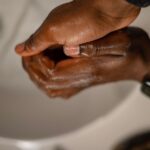
Start with the hands. Wash them with soap and warm running water for at least 20 seconds, then dry them with a disposable towel or a hand dryer. That 20-second figure comes from the FDA Food Code and matches the handwashing guidance long published by the Centers for Disease Control and Prevention.
Timing matters more than technique. A food handler who washes perfectly twice a shift but skips it after handling raw chicken has still contaminated everything they touched next. The FDA Food Code requires handwashing before starting work, before putting on gloves, and after using the restroom, touching bare skin or hair, coughing or sneezing, handling garbage, handling raw animal food, and switching between raw and ready-to-eat tasks.
The next layer is separation. Raw meat, poultry, seafood, and eggs carry bacteria that are destroyed by cooking but survive on cutting boards and utensils. Those items need their own boards, their own knives, and their own storage space. In a cooler, raw animal foods belong on the bottom shelf so nothing can drip onto food below.
Temperature control is the third layer. Bacteria multiply fastest between 40°F and 140°F, a range the FDA calls the temperature danger zone. The goal is to keep food out of that range or move it through quickly. Cold food stays at 40°F or below. Hot food stays at 140°F or above.
Cleaning and sanitizing is the fourth. Cleaning removes food and grease. Sanitizing kills the bacteria that remain. They are two different steps and one does not replace the other.
Why Is Handwashing the Most Important Step?
Hands transfer pathogens to food more often than any other route in a kitchen. A food handler who does not wash after using the restroom can carry E. coli, norovirus, or Shigella directly to whatever they touch next. Norovirus in particular spreads easily this way, and it takes a very small number of viral particles to make someone sick.
The CDC has consistently identified infected food workers as a major source of foodborne illness outbreaks in food service settings. What makes this frustrating is how preventable it is. Soap and water, used correctly and often, remove and inactivate many of the organisms that cause illness.
Hand sanitizer is not a substitute. It does not work well when hands are greasy or visibly dirty, and it does not remove the physical debris that carries bacteria. Use soap and water when a sink is available.
The 20-Second Standard
Wet your hands, apply soap, scrub the palms, backs of hands, between fingers, and under nails. Scrub for at least 20 seconds. Rinse under running water. Dry with a single-use towel. Turning off the faucet with that towel prevents recontaminating your clean hands.
Gloves do not change this. Gloves are not a barrier that replaces handwashing. A glove worn over unwashed hands, or worn through multiple tasks, transfers contamination just as bare hands would. Change gloves as often as you would wash hands, and wash before putting on a new pair.
How Does Cross-Contamination Happen in a Kitchen?
Cross-contamination is the transfer of harmful bacteria from one food or surface to another. It usually happens through shared equipment, shared storage, or shared hands.
A cutting board used for raw chicken and then wiped, not washed, and used for lettuce is a textbook example. The lettuce is not cooked afterward, so any bacteria left on the board go straight to the plate. The same problem applies to knives, tongs, mixing bowls, and the scale you weigh chicken on.
Storage is the other common route. Raw meat stored above ready-to-eat food can drip juices onto it. Those juices carry bacteria that will not be killed because the food below will not be cooked.
There is a detail many people miss. Sponges and wiping cloths can hold and spread bacteria across every surface they touch. A cloth used to wipe a raw meat spill and then used on a counter has just spread contamination across that counter. Use separate cloths for raw food areas and ready-to-eat areas, and change sanitizer solution often.

What Temperatures Keep Food Safe?
The FDA Food Code sets the temperature danger zone at 40°F to 140°F. Bacteria grow most rapidly in this range. The goal is to keep food out of it entirely, or pass through it quickly when cooking or cooling.
Some foods need extra attention because they support bacterial growth well. These are often called time and temperature control for safety foods, or TCS foods. They include meat, poultry, fish, eggs, dairy, cooked rice, cooked beans, cut melons, cut leafy greens, and cut tomatoes.
| Food | Safe Holding Temperature |
|---|---|
| Cold TCS food | 40°F or below |
| Hot TCS food | 140°F or above |
| Frozen food | 0°F or below |
| Temperature danger zone | 40°F to 140°F |
Cooling is where many kitchens fall short. The FDA Food Code requires cooked food to be cooled from 135°F to 70°F within two hours, and from 70°F to 41°F within an additional four hours. That is a total of six hours, and the two-hour first stage is the harder one. Splitting food into shallow pans, using ice baths, and leaving lids off during the initial cool help food move through the danger zone faster.
Use a calibrated probe thermometer, not your hand or your memory. Thermometers should be checked regularly and calibrated so the reading is accurate. A thermometer that reads five degrees off can turn a safe holding temperature into an unsafe one.
How Should Surfaces and Equipment Be Cleaned?
Clean first, then sanitize. Cleaning with soap and water removes food particles and grease. Sanitizing with an approved chemical or with heat kills the bacteria that remain. Skipping the clean step means the sanitizer has to work through a layer of grease, and it often cannot.
Food contact surfaces need cleaning and sanitizing after each use, after switching from raw to ready-to-eat food, after a task is interrupted, and at least every four hours during continuous use. The four-hour rule exists because bacteria can multiply on a surface that is in constant contact with food.
Sanitizer concentration matters. Too weak and it does not kill bacteria. Too strong and it can leave harmful residue on food contact surfaces. Follow the manufacturer’s label for the correct concentration and contact time. Test strips are the standard way to confirm the concentration is right.
Cleaning tools themselves need attention. Mops, brushes, and cloths that stay wet and dirty become a reservoir for bacteria. Store them so they can dry, and replace them when they get worn or hard to clean.
What Else Do Food Handlers Need to Watch?
Personal health is part of the job. A food handler who is vomiting, has diarrhea, has a fever with sore throat, or has a diagnosed infection from certain pathogens should report it to their manager. The FDA Food Code identifies specific reportable conditions and requires exclusion or restriction from certain duties depending on the diagnosis.
Some pathogens are reportable because they are especially dangerous and spread easily through food. These include Salmonella Typhi, Shigella, Shiga toxin-producing E. coli, and hepatitis A virus. Norovirus is also a major concern because of how easily it spreads.
Wounds matter too. A cut or burn on the hand needs a clean, impermeable bandage, and if it is on the hand, a single-use glove over it. A bandage that falls into food is a physical contaminant and a source of bacteria.
Bare-hand contact with ready-to-eat food is restricted in most jurisdictions. The FDA Food Code requires that ready-to-eat food be handled with utensils, deli tissue, or single-use gloves rather than bare hands. Some states allow bare-hand contact under specific conditions, but the general direction is to avoid it.
Finally, food handlers should not work while sick if they have symptoms that can be transmitted through food. This is one of the hardest rules to follow because of pressure to show up, but it is one of the most important for protecting the public.
Frequently Asked Questions
How long should food handlers wash their hands?
At least 20 seconds with soap and warm running water, according to the FDA Food Code and CDC guidance. Dry with a single-use towel or hand dryer afterward.
Can gloves replace handwashing?
No. Gloves do not replace handwashing and can spread contamination just as bare hands do if worn over unwashed hands or worn through multiple tasks. Wash hands before putting on gloves and change them as often as you would wash.
What is the temperature danger zone for food?
The FDA Food Code defines it as 40°F to 140°F, the range where bacteria multiply fastest. Keep cold food at 40°F or below and hot food at 140°F or above.
How often should food contact surfaces be cleaned and sanitized?
After each use, after switching from raw to ready-to-eat food, after any interruption, and at least every four hours during continuous use. Clean with soap and water first, then sanitize.
