
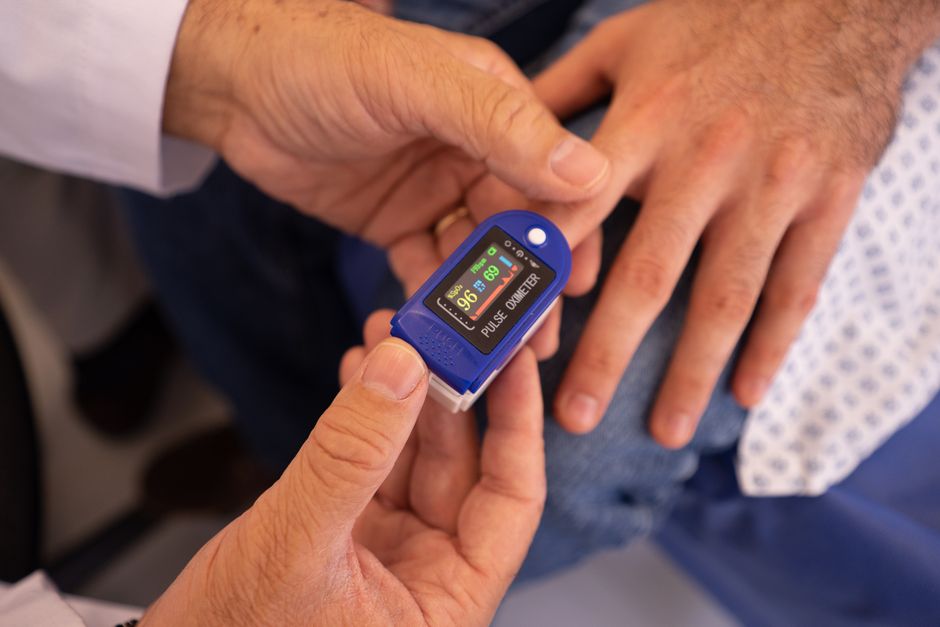
Your blood oxygen level is the amount of oxygen your red blood cells are carrying at any given moment. For most healthy adults, a normal reading is between 95% and 100% when measured with a pulse oximeter. A level below 90% is considered low and generally needs medical attention. Most people never think about this number until a doctor clips a small device to their finger. But it is one of the most basic signals your body gives about how well your heart and lungs are working together.
What Should Be Oxygen Level In Blood?
The target range for a healthy adult at sea level is 95% to 100%. This measurement is called SpO2, which stands for peripheral capillary oxygen saturation. It estimates how much of your hemoglobin — the protein in red blood cells that carries oxygen — is currently bound with oxygen.
A reading of 90% to 94% is usually considered below normal, though not always an emergency. Anything under 90% is low and typically requires prompt medical evaluation. These thresholds come from standard clinical practice and are widely used in hospitals and clinics.
It helps to understand what the number actually represents. Hemoglobin has four binding sites for oxygen. When all four sites are filled, that molecule is 100% saturated. Your SpO2 reading reflects the average saturation across all hemoglobin in your blood. Even healthy people rarely sit at a perfect 100% all day. Mild dips are normal.
Altitude changes things. At higher elevations, the air contains less oxygen, so blood oxygen levels naturally run lower. A person living at 8,000 feet might have a normal resting SpO2 of 90% to 95%. This is why context matters when interpreting any reading.
How Is Blood Oxygen Measured?
Two methods are used in clinical settings, and they measure slightly different things.
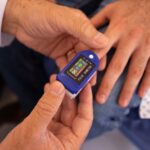
A pulse oximeter is the small clip-on device most people encounter. It shines light through your fingertip or earlobe. Oxygen-rich blood absorbs light differently than oxygen-poor blood, and the device calculates a percentage based on that difference. It is fast, painless, and non-invasive. But it is an estimate, not a direct measurement.
An arterial blood gas (ABG) test is the more precise method. A small sample of blood is drawn from an artery, usually in the wrist. This measures PaO2 — the partial pressure of oxygen dissolved in your blood — along with other values. ABG testing is typically done in hospitals when accuracy matters most.
These two numbers are related but not the same. SpO2 is a percentage of hemoglobin saturation. PaO2 is a pressure measurement in millimeters of mercury (mmHg). A normal PaO2 on room air is generally between 75 and 100 mmHg. The two values track together but do not move in a straight line — at high saturation levels, PaO2 can drop significantly before SpO2 shows much change.
What Causes Low Blood Oxygen?
Low blood oxygen, called hypoxemia, happens when something interferes with the chain of events that moves oxygen from the air into your bloodstream. That chain has several steps, and a problem at any step can lower your reading.
- Lung conditions: Asthma, chronic obstructive pulmonary disease (COPD), pneumonia, and pulmonary fibrosis can all reduce the lungs’ ability to transfer oxygen into the blood.
- Heart conditions: Heart failure and certain congenital heart defects can affect how efficiently oxygenated blood circulates.
- Sleep apnea: Repeated pauses in breathing during sleep can cause temporary drops in oxygen levels.
- Anemia: Fewer red blood cells or less hemoglobin means less oxygen-carrying capacity overall.
- High altitude: Lower air pressure means less oxygen available with each breath.
- Medications: Certain drugs, including some pain medications, can slow breathing enough to reduce oxygen levels.
One detail that surprises many people: pulse oximeters can give falsely normal readings in certain situations. Poor circulation, cold hands, dark nail polish, and even skin pigmentation can affect accuracy. Research has shown that pulse oximeters may read higher than actual levels in people with darker skin tones, which can delay recognition of low oxygen. This is a recognized limitation, not a rare fluke. If a reading does not match how someone looks or feels, that mismatch matters.
What Are the Symptoms of Low Oxygen Levels?
Your body usually tells you when oxygen is running low, though the signals can be subtle at first.
Early symptoms include shortness of breath, especially with activity, and a feeling of tightness in the chest. Some people notice a rapid heartbeat or mild confusion. Headaches and restlessness can also appear.
As levels drop further, symptoms become harder to ignore. Lips or fingertips may take on a bluish tint, a condition called cyanosis. Confusion can deepen. Breathing becomes visibly labored.
But here is where it gets tricky. Some people with chronically low oxygen — those with severe COPD, for example — may function at levels that would leave a healthy person gasping. Their bodies have adapted over time. Others may feel fine even when their numbers are low, especially if the drop happened gradually. This is why a number on a screen and how a person actually looks and feels should always be considered together.
If you are short of breath, confused, or turning blue, that is an emergency regardless of what a home oximeter says.
When Should You Worry About a Reading?
Context decides. A single low reading on a home device is not automatically a crisis, but it is not something to shrug off either.
If your reading is between 90% and 94% and you feel fine, it is reasonable to recheck. Make sure your hand is warm, remove any nail polish, and sit still for a minute. If the number stays in that range, call your doctor. If it reads below 90% and stays there, seek medical attention.
If you have a chronic lung or heart condition, your doctor has likely given you a personal target range. Follow that guidance rather than a general number. What is normal for one person may not be normal for another.
Do not rely on a home oximeter to rule out a serious problem. These devices are useful for tracking trends, but they are not diagnostic tools. They can be wrong in both directions — reading low when you are fine, or reading normal when you are not.
Can You Improve Your Blood Oxygen Levels?
For most healthy people, blood oxygen stays in the normal range without any effort. The body regulates it automatically. You do not need supplements, special breathing gadgets, or “oxygen-boosting” products to maintain a healthy level.
That said, certain habits support the systems that keep oxygen moving efficiently:
- Stay active. Regular aerobic exercise strengthens the heart and lungs over time.
- Do not smoke. Smoking damages lung tissue and reduces oxygen exchange.
- Manage chronic conditions. Keeping asthma, COPD, or heart disease under control protects oxygen levels.
- Treat sleep apnea. If you have been diagnosed, using your prescribed therapy matters.
Breathing exercises — like pursed-lip breathing or diaphragmatic breathing — are sometimes taught to people with lung disease to help them breathe more efficiently. Some clinicians recommend them. The evidence for these techniques is strongest in specific clinical populations, not as a general tool for healthy people looking to raise their numbers.
Supplemental oxygen is a medical treatment, not a wellness product. It is prescribed when a doctor determines that a person’s blood oxygen is consistently low enough to cause harm. Using oxygen without a medical need has no proven benefit and can be harmful.
What About Oxygen Levels During Sleep?
Blood oxygen naturally dips slightly during sleep, even in healthy people. Brief drops are normal. But repeated or prolonged drops are not.
Obstructive sleep apnea is the most common cause of low overnight oxygen. In this condition, the airway collapses repeatedly during sleep, blocking airflow. Each pause can last several seconds and cause oxygen levels to fall. This cycle may repeat dozens or hundreds of times per night without the person knowing.
Untreated sleep apnea is associated with cardiovascular problems, daytime fatigue, and reduced quality of life. If you snore heavily, wake up gasping, or feel exhausted despite a full night’s sleep, a sleep study can measure what is happening to your oxygen while you sleep. A home oximeter alone is not enough to diagnose sleep apnea, but it can sometimes reveal a pattern worth investigating.
What Do the Numbers Mean at a Glance?
| SpO2 Range | General Interpretation |
|---|---|
| 95%–100% | Normal for most healthy adults at sea level |
| 90%–94% | Below normal; recheck and consult a doctor if it persists |
| Below 90% | Low; seek medical evaluation |
These ranges are general guides. They are not a substitute for clinical judgment. Individual targets vary based on age, health conditions, and altitude.
Frequently Asked Questions
What is a normal blood oxygen level?
A normal blood oxygen level for most healthy adults is 95% to 100% when measured by pulse oximeter at sea level. People living at high altitudes may have naturally lower readings that are still normal for them.
Is 92% oxygen level dangerous?
A reading of 92% is below the normal range and worth paying attention to, but it is not automatically an emergency. If it persists or you feel short of breath, contact your doctor.
Can I check my oxygen level at home?
Yes, pulse oximeters are widely available and easy to use. They give a useful estimate, but they are not as accurate as clinical testing and can be affected by cold hands, nail polish, and skin tone.
What should I do if my oxygen level drops below 90%?
A persistent reading below 90% generally requires prompt medical evaluation. If you also have chest pain, confusion, or difficulty breathing, seek emergency care right away.
