
Dandruff is a common scalp condition that causes itching and visible white or yellow flakes. The most effective shampoos for dandruff contain one of a small number of active ingredients with real evidence behind them, such as zinc pyrithione, ketoconazole, selenium sulfide, or salicylic acid. Which one suits you depends on whether your flaking is mild, oily, or persistent.
Dandruff is not a hygiene problem. It is mostly driven by a naturally occurring scalp yeast called Malassezia, which lives on almost every adult scalp. In people with dandruff, the scalp reacts to this yeast with inflammation and faster-than-normal shedding of skin cells. That is why a plain moisturizing shampoo does little and an active-ingredient shampoo does a lot.
What ingredient actually treats dandruff?
The active ingredients with the strongest evidence are antifungal and anti-flaking agents. They work because they target the yeast and the skin turnover that produce flakes.
- Zinc pyrithione — an antifungal that slows yeast growth and helps calm the scalp. It is the most common active in mainstream dandruff shampoos and is well studied.
- Ketoconazole — a stronger antifungal, available over the counter in 1% strength in the US and by prescription at 2%. It is often used when other shampoos stop working.
- Selenium sulfide — reduces yeast and slows how quickly skin cells shed. It is a common choice for oily dandruff.
- Salicylic acid — a keratolytic, meaning it helps loosen and lift flakes from the scalp surface. It does not treat the yeast, so it is often combined with an antifungal.
- Coal tar — slows skin cell turnover. It has a strong smell and can stain light hair, so it is used less often today.
One clarification worth knowing: these ingredients are not interchangeable in strength. Zinc pyrithione is gentle and good for maintenance. Ketoconazole is more potent against the yeast. Salicylic acid removes flakes but does nothing to the underlying cause. Matching the ingredient to the problem matters more than the brand name.
What shampoo is good for dandruff based on your scalp type?
Your scalp type should guide the choice as much as the active ingredient. A shampoo that works for oily dandruff may be too drying for someone with a dry, sensitive scalp.
For mild, everyday flaking, a zinc pyrithione shampoo used a few times a week is a reasonable starting point. It is widely available, gentle, and backed by decades of use.
For oily dandruff with larger yellow flakes, selenium sulfide or ketoconazole tends to work better because both target the yeast more directly. These are often the flakes that come back quickly after washing.
For thick, adherent flakes or scalp buildup, a salicylic acid shampoo helps loosen scale. Because it does not fight yeast, it is best paired with an antifungal rather than used alone long term.
For dry, sensitive scalps, avoid very harsh formulations and strong concentrations. A mild zinc pyrithione shampoo, or ketoconazole used less often, is usually better tolerated than coal tar or high-strength selenium sulfide.
How should you use a dandruff shampoo?
How you use the shampoo matters nearly as much as what is in it. Many people rinse too quickly for the active ingredient to work.
Work the shampoo into a lather and leave it on the scalp for a few minutes before rinsing. The label directions vary by product, so follow those. For most antifungal shampoos, using it two to three times a week is a common approach, then reducing frequency once flakes are controlled.
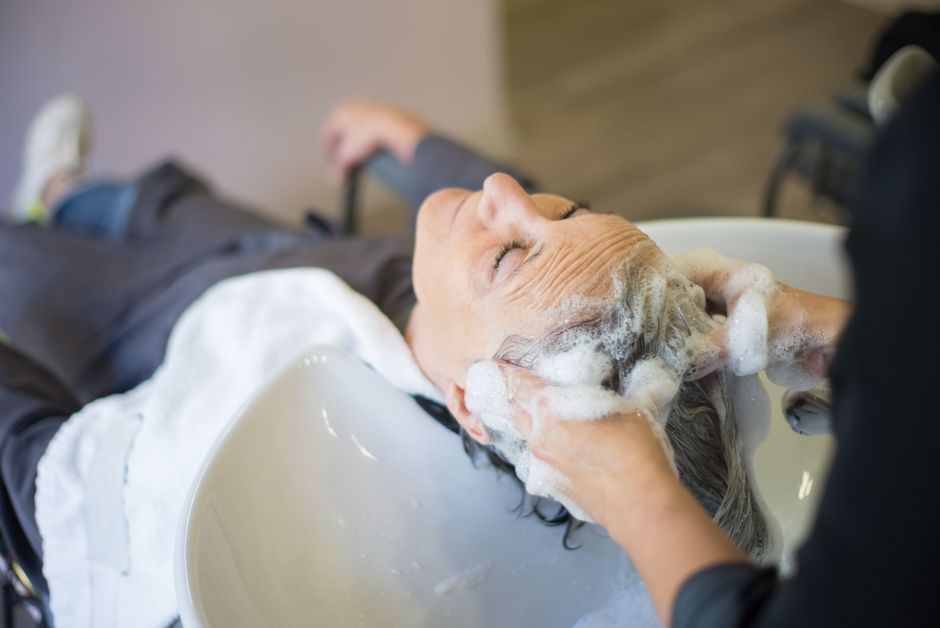
Massage it into the scalp itself, not just the hair. The flakes and yeast are on the skin, so the scalp is where the product needs to sit. Rinse thoroughly afterward.
If one shampoo stops working after a period of good control, rotating to a different active ingredient is a common strategy. The scalp yeast can become less responsive to a single agent over time, and switching classes often restores results.
When does dandruff need more than a shampoo?
Sometimes what looks like dandruff is something else, and no shampoo will fix it. Seborrheic dermatitis is a related but more inflamed condition with redness and greasy yellow scale, often along the hairline and eyebrows. It usually needs medicated treatment and sometimes a prescription.
See a doctor or dermatologist if:
- The scalp is very red, swollen, or painful
- Flakes are thick, greasy, and yellow rather than white
- You have patches on the face, eyebrows, or chest
- Over-the-counter shampoos have not helped after several weeks of regular use
- You notice hair loss or open, weeping areas
These signs can point to seborrheic dermatitis, psoriasis, or a fungal infection, which are treated differently. A shampoo alone may not be enough, and guessing can delay the right treatment.
What about natural and home remedy shampoos?
Tea tree oil has some evidence for mild dandruff, though the studies are small and the effect is modest compared with antifungal ingredients. It can also irritate sensitive skin, and it should never be swallowed.
Many other natural claims — apple cider vinegar, coconut oil, aloe, various botanical extracts — have little or no clinical evidence for treating dandruff specifically. Some may feel soothing, but feeling soothing is not the same as reducing flakes. No large human trials confirm most of these as dandruff treatments.
Be cautious with strong essential oils and undiluted vinegar, which can burn or irritate the scalp. If you want to try a natural option, tea tree oil is the one with the most support, and even that works best as a mild add-on rather than a replacement for an antifungal when flakes are significant.
Do dandruff shampoos prevent flakes from coming back?
Dandruff tends to be a long-term, recurring condition rather than something cured once. The yeast is a normal part of the scalp, so it does not disappear. That means most people need ongoing maintenance rather than a single course of treatment.
Once flakes are under control, dropping to a maintenance schedule — using the medicated shampoo less often, sometimes alternating with a regular shampoo — usually keeps symptoms in check. Stopping entirely often leads to flakes returning within weeks.
The good news is that dandruff is manageable for most people with the right active ingredient and consistent use. It is not a sign of poor health or poor hygiene, and it is not contagious.
Frequently Asked Questions
What is the best shampoo for dandruff?
There is no single best shampoo, but products containing zinc pyrithione, ketoconazole, or selenium sulfide have the strongest evidence for reducing flakes. The right one depends on whether your dandruff is mild, oily, or persistent.
How often should I use dandruff shampoo?
Most antifungal dandruff shampoos are used two to three times a week until flakes are controlled, then less often for maintenance. Follow the directions on the specific product, since frequency varies by ingredient.
Why does my dandruff shampoo stop working?
The scalp yeast can become less responsive to a single active ingredient over time. Switching to a shampoo with a different ingredient, such as moving from zinc pyrithione to ketoconazole, often restores results.
Is dandruff caused by poor hygiene?
No, dandruff is not caused by poor hygiene. It is mostly driven by a naturally occurring scalp yeast and the skin’s reaction to it, along with factors like oiliness and individual skin sensitivity.
