
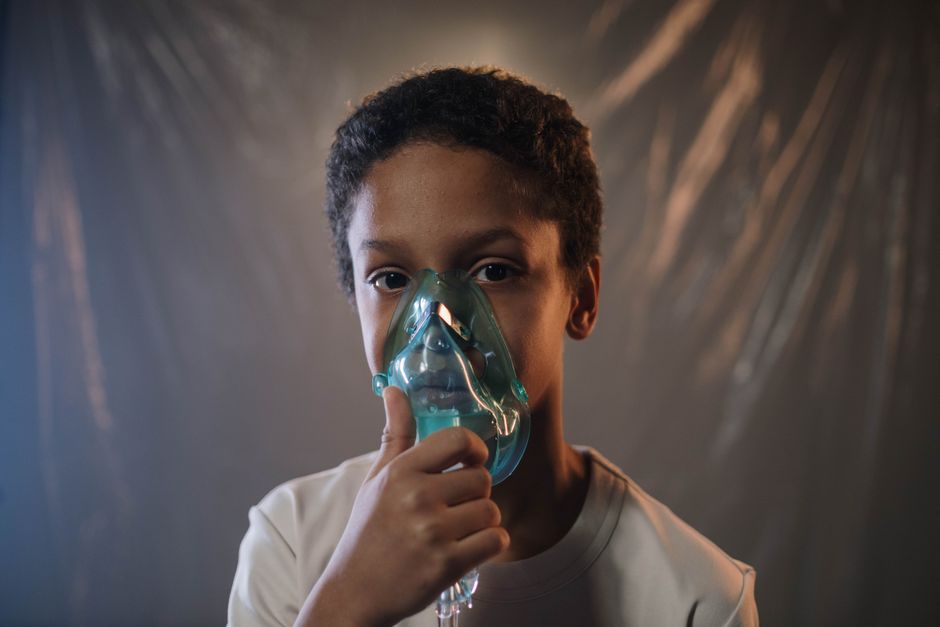
Every breath you take moves about a pint of air, and your respiratory system handles that exchange thousands of times a day without you thinking about it. Its main job is gas exchange: pulling oxygen out of the air into your bloodstream and pushing carbon dioxide out. It also helps you speak, smell, and defend against particles and germs you breathe in.
What Respiratory System Does?
The respiratory system moves oxygen into your body and carbon dioxide out. Oxygen fuels every cell, and carbon dioxide is the waste those cells produce. If this exchange stops, brain cells begin to suffer damage within minutes.
The system has two main parts. The upper tract includes the nose, mouth, throat, and voice box. The lower tract includes the windpipe, bronchi, and lungs. Air travels down this path, and in the lungs it reaches tiny sacs called alveoli. That is where the real work happens.
Gas exchange itself is passive. Oxygen and carbon dioxide move across thin membranes because of pressure differences, not because your body pumps them. The heart provides the push by circulating blood past the alveoli. This is why lung and heart function are so tightly linked.
Your respiratory system also does jobs beyond breathing. It warms and moistens air before it reaches delicate lung tissue. It filters out dust, pollen, and microbes. It helps regulate the acid-base balance of your blood. And it produces the airflow that lets you talk, sing, cough, and sneeze.
How Does the Breathing Process Actually Work?
Breathing depends on pressure changes, not on your lungs pulling air in by themselves. Your lungs have no muscle tissue of their own. They expand and contract because the diaphragm and rib muscles change the space around them.
When you inhale, the diaphragm contracts and flattens. The rib cage lifts and widens. This increases the volume inside your chest, which lowers the pressure there. Air rushes in to equalize that pressure. When you exhale normally, the diaphragm relaxes and the lungs recoil on their own, pushing air out.
Here is a detail many people miss: normal exhalation is passive. You do not need to push air out during rest. Only during exercise, coughing, or forced breathing do muscles like the abdominal wall join in to help exhale.
Breathing rate is controlled automatically by a cluster of neurons in the brainstem. These neurons respond mainly to carbon dioxide levels in your blood, not oxygen levels. When carbon dioxide rises, your brain signals you to breathe faster and deeper. This is why you feel the urge to breathe when you hold your breath — the buildup of carbon dioxide drives the signal.
You can override this system for a while. You can hold your breath or breathe faster on purpose. But the automatic control always wins eventually. This is a safety feature, not a weakness.
What Happens Inside the Lungs During Gas Exchange?
Gas exchange happens across a surface area roughly the size of a tennis court, packed into a space that fits in your chest. That surface is made of about 300 million tiny air sacs called alveoli.
Each alveolus is wrapped in a web of capillaries, the smallest blood vessels. The wall between the air in the alveolus and the blood in the capillary is extremely thin — thin enough for gases to cross in a fraction of a second. Oxygen moves from the air into the blood. Carbon dioxide moves from the blood into the air.
Red blood cells carry oxygen using a protein called hemoglobin. Hemoglobin picks up oxygen in the lungs and releases it in tissues where oxygen is low. Most carbon dioxide travels in the blood as bicarbonate, a dissolved form, and gets converted back to gas in the lungs so you can exhale it.
This system is efficient, but it depends on several things working together:
- Open airways that let air reach the alveoli
- Healthy alveoli with thin, intact walls
- Good blood flow through the lung capillaries
- A heart strong enough to circulate that blood
If any one of these breaks down, gas exchange suffers. That is why lung disease, heart failure, and anemia can all cause similar symptoms like shortness of breath.



What Else Does the Respiratory System Do Besides Breathing?
Breathing is the headline, but the respiratory system handles several other tasks that affect daily life and health.
Speech. Air moving out of your lungs passes over your vocal cords, making them vibrate. You shape that sound with your throat, mouth, and tongue. No airflow means no voice.
Smell. Airborne molecules reach receptors high in your nasal cavity. Without airflow through your nose, your sense of smell fades.
Defense against germs and particles. Your airways are lined with mucus and tiny hair-like structures called cilia. Mucus traps dust, pollen, and microbes. Cilia sweep that mucus upward toward your throat, where you swallow it or cough it out. This is one of your body’s main barriers against infection.
Acid-base balance. Your blood needs to stay within a narrow pH range. By adjusting how much carbon dioxide you exhale, your lungs help control that balance. Carbon dioxide acts as an acid in the blood, so breathing rate directly affects pH. The kidneys handle the slower adjustments; the lungs handle the fast ones.
Temperature and moisture control. Air is warmed and humidified as it passes through your nose and throat. This protects the delicate alveoli from cold, dry air.
What Are the Most Common Respiratory Problems?
Respiratory conditions range from mild and temporary to chronic and serious. The most common categories are infections, obstructive diseases, and restrictive diseases.
Infections include the common cold, flu, COVID-19, bronchitis, and pneumonia. Most are caused by viruses. Pneumonia can be viral, bacterial, or fungal. Symptoms often include cough, fever, and shortness of breath.
Obstructive diseases make it hard to push air out. Asthma, chronic obstructive pulmonary disease (COPD), and bronchiectasis fall into this group. In asthma, airways narrow and inflame in response to triggers. In COPD, usually linked to long-term smoking, airflow is persistently limited.
Restrictive diseases make it hard to expand the lungs. Pulmonary fibrosis is one example. The lung tissue becomes stiff and scarred, so it cannot fill properly.
Other common issues include sleep apnea, where breathing repeatedly stops during sleep, and pulmonary embolism, a blood clot in the lung that is a medical emergency.
Some symptoms deserve prompt medical attention:
- Shortness of breath that is new or worsening
- Coughing up blood
- Chest pain that worsens with breathing
- Blue tint to lips or fingertips
- Confusion or extreme drowsiness with breathing trouble
These signs do not confirm a specific diagnosis on their own. Many conditions can cause them. But they warrant evaluation.
How Can You Keep Your Respiratory System Healthy?
The most effective steps to protect your lungs are well established. Not smoking is the single biggest one. Smoking is the leading cause of COPD and a major cause of lung cancer. Avoiding secondhand smoke matters too.
Other steps supported by evidence include:
- Staying current on recommended vaccines, including flu and COVID-19, which reduce the risk of severe respiratory illness
- Avoiding air pollution and occupational dusts or fumes when possible
- Washing hands regularly to lower infection risk
- Staying physically active, which supports heart and lung function
- Testing your home for radon, a leading cause of lung cancer in non-smokers
Breathing exercises are often promoted for lung health. Some evidence supports their use in specific conditions like COPD and before surgery. But the evidence for general lung “strengthening” in healthy people is limited. Your lungs do not work like muscles. You cannot train them to become stronger in the same way you train a bicep.
This is a common misconception worth correcting. Healthy lungs do not need exercises to function well. What they need is clean air and a body that stays active.
Does Lung Function Change With Age?
Lung function declines gradually with age, starting around your 30s. This is normal. The chest wall becomes stiffer, muscles weaken slightly, and the alveoli lose some elasticity. These changes are usually mild and do not cause symptoms on their own.
What matters more is how fast that decline happens. Smoking, repeated infections, and long-term exposure to pollution or dust can speed it up. Staying active and avoiding smoke can slow it down.
Regular checkups matter if you have ongoing symptoms. Spirometry, a simple breathing test, measures how much air you can exhale and how fast. It is the standard test for diagnosing asthma and COPD. If you notice persistent shortness of breath or a cough that will not go away, that test can give you clear answers.
Frequently Asked Questions
What is the main function of the respiratory system?
The main function is gas exchange: bringing oxygen into the blood and removing carbon dioxide. It also supports speech, smell, and defense against airborne particles and germs.
How many breaths does a person take per day?
A healthy adult at rest typically takes about 12 to 20 breaths per minute. That works out to roughly 17,000 to 29,000 breaths per day, though rates vary with activity, health, and age.
Can you live with one lung?
Yes, many people live normal, active lives with one lung. The remaining lung expands to handle most of the gas exchange, though breathing capacity during intense exercise may be reduced.
What happens if the respiratory system fails?
Without gas exchange, oxygen levels in the blood drop and carbon dioxide builds up. Brain cells can begin to suffer damage within minutes, which is why respiratory failure is a medical emergency.
