
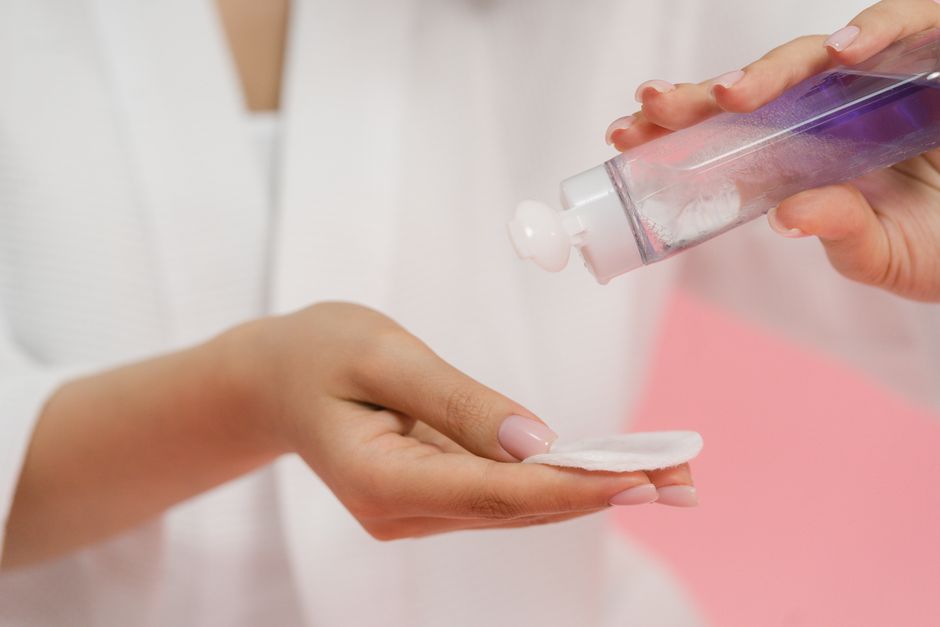
Crazy Glue is a super-strong cyanoacrylate adhesive, and it can bond to skin in seconds. The most effective and safest way to remove it from your skin is to use acetone-based nail polish remover, which dissolves the glue’s chemical bonds. If acetone is not available, warm soapy water, mineral oil, or petroleum jelly can loosen the bond over time, but they work more slowly and require patience.
Why Does Crazy Glue Stick to Skin So Fast?
Cyanoacrylate adhesives like Crazy Glue rely on moisture to trigger the bonding process. Your skin always has a thin layer of moisture on its surface. That moisture acts as the catalyst that makes the glue polymerize, or harden, almost instantly when it touches your fingers.
This is why the glue sticks so aggressively to skin but takes longer to bond two dry pieces of plastic or metal. The chemical reaction is fast because the moisture is already there. Understanding this mechanism explains why the removal process often involves replacing that bond with another substance, like acetone or oil.
What Removes Crazy Glue from Skin?
Acetone is the most reliable solvent for breaking down cured cyanoacrylate glue. It works by dissolving the polymer chains that form when the glue hardens, turning the solid bond back into a liquid that can be wiped away. Most nail polish removers contain acetone, but you should check the label because non-acetone removers are much less effective for this purpose.
Here is how to use acetone safely on skin:
- Apply a small amount of acetone to a cotton ball or pad.
- Press the soaked cotton against the glued area for a few minutes.
- Gently rub or roll the skin to peel away the softened glue.
- Wash the area with soap and water afterward.
Do not soak large areas of skin in acetone for extended periods. Acetone dries out the skin and can cause irritation, especially with repeated use. If you have sensitive skin or open wounds, avoid acetone and use a gentler method instead.
What to Do If You Don’t Have Acetone
When acetone is not available, you have other options, but they require more time. Warm, soapy water is the most accessible choice. Soak the glued area in warm water with dish soap for 10 to 15 minutes. The soap helps break the adhesive bond, and the warmth softens the glue. After soaking, gently peel or roll the skin to separate it.
Mineral oil, petroleum jelly, or cooking oil can also work. These oils penetrate the glue-skin interface and weaken the bond. Rub the oil into the area repeatedly over several minutes. This method is slower than acetone but much gentler on the skin. It is a good first choice for children or anyone with sensitive skin.
One common mistake is pulling the skin apart forcefully. This can tear the top layers of skin and cause a painful injury. Always use a solvent or oil to soften the bond first, then use gentle pressure to separate the skin.



Does Toothpaste or Rubbing Alcohol Remove Crazy Glue?
Toothpaste is a popular internet remedy for glue removal, but the evidence does not support it as an effective solvent. Toothpaste contains mild abrasives and detergents, which may help with gentle scrubbing, but it does not chemically dissolve cyanoacrylate glue. It might work after extensive rubbing because the abrasive action physically wears the glue away, but this can also irritate your skin.
Rubbing alcohol, or isopropyl alcohol, is slightly more effective than toothpaste but still weaker than acetone. It can soften the glue, especially if you soak the area for several minutes. Some research suggests that alcohol-based hand sanitizers can help loosen the bond because they contain both alcohol and emollients. However, for a strong bond, acetone remains the fastest and most dependable option.
How to Remove Crazy Glue from Surfaces and Fabric
Removing Crazy Glue from skin is different from removing it from household surfaces. On non-porous surfaces like glass, metal, or finished wood, acetone is again the best choice. Apply it with a cloth, let it sit briefly, and the glue should soften enough to scrape off with a plastic scraper or your fingernail. Avoid using metal scrapers on finished surfaces because they can leave scratches.
For fabric and clothing, the approach is different. Acetone can damage many synthetic fabrics, including acetate and some polyester blends. If the fabric is cotton or wool, you can try acetone carefully, but test it on an inconspicuous area first. A safer method is to place the garment in the freezer for a few hours. The cold makes the glue brittle, and you can often chip or scrape it off once it is frozen.
If the glue has soaked into the fabric fibers, it may be permanently bonded. In that case, the fabric is likely ruined. Do not put the garment in the dryer because heat will set the glue permanently.
When Should You See a Doctor?
Most Crazy Glue skin exposures are minor and resolve with home treatment. However, some situations require medical attention. If the glue bonds eyelids together or gets into the eye, do not try to open the eye. Rinse the eye with warm water and seek emergency medical care immediately. An eye doctor can safely separate the eyelids without causing damage.
If the glue bonds lips together, apply warm water to the area and try to gently separate them. Do not pull forcefully. If they remain stuck, seek medical help. You should also see a doctor if the glue is on a deep cut or wound, if you develop signs of infection like redness, warmth, or pus, or if the glue does not come off after repeated attempts over several days.
Prevention Tips for Working with Super Glue
The best way to deal with Crazy Glue on skin is to prevent it from happening. Wear disposable nitrile gloves when working with cyanoacrylate adhesives. Latex gloves are not ideal because some formulations of super glue can react with latex, and the gloves may stick to your skin.
Keep a bottle of acetone-based nail polish remover in your workspace if you frequently use super glue. Having it within reach means you can treat a spill immediately while the glue is still fresh. Fresh glue is much easier to remove than glue that has fully cured for hours or days.
Work in a well-ventilated area. Cyanoacrylate fumes can irritate the eyes, nose, and throat, especially in large amounts. If you accidentally inhale a significant amount of fume and develop breathing difficulty, move to fresh air and seek medical attention if symptoms persist.
Frequently Asked Questions
Does nail polish remover without acetone remove Crazy Glue?
Non-acetone nail polish removers are significantly less effective and may not work at all. Acetone is the active ingredient that dissolves cyanoacrylate glue, so check the label before using it.
How long does it take for Crazy Glue to come off skin naturally?
Without treatment, the glue will eventually wear off as your skin sheds its outer layer, which typically takes 3 to 5 days. Using acetone or oil speeds up this process considerably.
Is it safe to use a razor blade to scrape Crazy Glue off skin?
No, do not use a razor blade or any sharp object on your skin. You can easily cut yourself or remove layers of healthy skin. Use a solvent to soften the glue and then peel it gently.
Can vegetable oil remove super glue from skin?
Yes, vegetable oil can help loosen the bond, but it takes longer than acetone. Rub the oil into the area for several minutes and gently roll the skin to separate the glue.
