
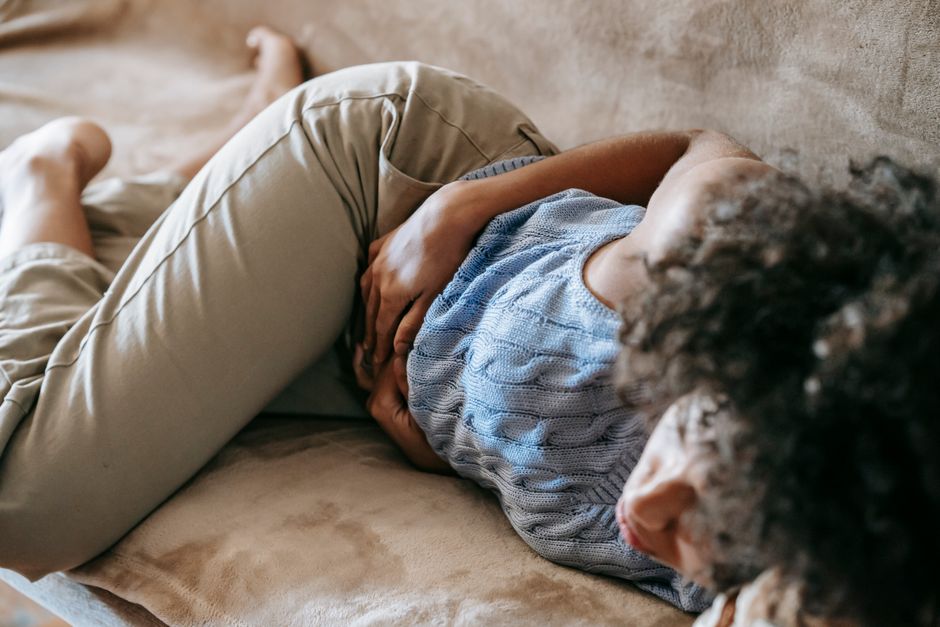
Hemorrhoids hurt because they are swollen veins in or around the rectum and anus, and that tissue is packed with nerve endings. The fastest relief usually comes from reducing pressure and swelling: warm sitz baths, avoiding straining, and using over-the-counter treatments like hydrocortisone cream or witch hazel pads for short periods. Fiber and fluids prevent the constipation that makes pain worse, and most flare-ups settle within a week or two with home care.
What actually causes the pain?
Hemorrhoids are cushions of vascular tissue that everyone has. They become painful when those cushions swell, get irritated, or develop a small clot inside them.
Internal hemorrhoids sit inside the anal canal, above the point where the skin becomes sensitive to pain. That is why internal hemorrhoids often bleed without hurting. External hemorrhoids sit below that line, covered by skin full of pain-sensitive nerve endings. This is the practical reason the two feel so different.
When an external hemorrhoid develops a clot, called a thrombosed hemorrhoid, the pain can be severe and sudden. It typically peaks in the first 48 hours and then gradually eases as the body breaks down the clot.
Pain also comes from the surrounding area rather than the vein itself. Straining, hard stools, long sitting, and irritation of the skin around the anus all add to it. So relief usually means addressing several of these at once.
What relieves hemorrhoids pain fastest?
A warm sitz bath is the most reliable quick relief for most people. Sitting in plain warm water for about 10 to 15 minutes, a few times a day, relaxes the sphincter muscle and increases blood flow to the area, which can ease pain and spasm.
Keep the water warm, not hot. Plain water is enough. Adding soap, salts, or other products is not necessary and can irritate the skin.
Over-the-counter options can help in the short term:
- Hydrocortisone cream (1%) reduces inflammation and itching. It should be used only briefly, generally no more than about a week, because longer use can thin the skin.
- Witch hazel pads are a traditional astringent that many people find soothing. Evidence for how well they work is limited, but they are widely used and low-risk.
- Topical numbing agents like lidocaine can dull pain. Some people react to them with irritation, so test a small area first.
- Oral pain relievers such as acetaminophen or an anti-inflammatory like ibuprofen can reduce discomfort. Check with a pharmacist or clinician if you take other medicines or have health conditions.
One point worth knowing: prescription-strength numbing creams and long-term steroid use are not for routine self-treatment. If you find yourself reaching for these repeatedly, that is a signal to see a clinician rather than keep self-treating.
Does fiber really help, and how much?
Fiber is the most studied dietary approach for hemorrhoids, and the evidence consistently supports it. Fiber softens stool and reduces straining, which is the main mechanical trigger for pain and swelling.
Most adults need roughly 25 to 30 grams of fiber a day, according to general dietary guidance. Most people in the US get about half that.
Good sources include beans, lentils, whole grains, fruits, vegetables, and nuts. If you increase fiber, do it gradually and drink more water. Adding a lot of fiber quickly without enough fluid can make constipation and gas worse before it helps.
A fiber supplement such as psyllium can be useful if diet alone is not enough. Start with a small amount and increase slowly. Research on fiber for hemorrhoids generally shows benefit for reducing symptoms and recurrence, though the effect builds over weeks, not days.





What habits make hemorrhoid pain worse?
Straining and prolonged sitting on the toilet are two of the biggest aggravators. Reading or scrolling on your phone for long stretches on the toilet increases pressure on the veins and can make symptoms worse.
Other habits that add to the problem:
- Holding your breath and pushing hard during a bowel movement.
- Ignoring the urge to go, which leads to harder stools later.
- Sitting for long periods at work or while driving.
- Lifting heavy weights with poor technique, which raises pressure in the abdomen.
- Low fluid intake, which contributes to hard stools.
If you sit for work, get up and move regularly. A soft cushion or donut pillow can reduce direct pressure on the area while you sit. These are simple measures, but they address the mechanical causes of pain rather than just masking it.
When should you see a doctor?
Most hemorrhoid flare-ups improve with home care within a week or two. But some situations need medical attention rather than self-treatment.
See a clinician if you have:
- Severe pain, especially a hard, tender lump near the anus that appeared suddenly. This may be a thrombosed hemorrhoid, and treatment within the first couple of days can make a real difference.
- Bleeding that is heavy, ongoing, or dark in color.
- Rectal bleeding for the first time, or bleeding in anyone over 45. Bleeding can have causes other than hemorrhoids, including conditions that need prompt evaluation.
- Signs of infection such as fever, spreading redness, or worsening pain.
- No improvement after a week or two of home care.
This is where honesty matters. Rectal bleeding is common with hemorrhoids, but it is not always from hemorrhoids. A clinician can tell the difference, and it is worth ruling out other causes rather than assuming.
Do procedures or surgery help when home care fails?
When symptoms persist or are severe, several office-based and surgical options exist. These are generally considered when home treatment has not worked or when a hemorrhoid is large or thrombosed.
Options include rubber band ligation, which cuts off blood flow to an internal hemorrhoid so it shrinks; sclerotherapy, which injects a solution to shrink the tissue; and surgical removal for more advanced cases. A thrombosed external hemorrhoid may be lanced and the clot removed if you are seen early enough.
These procedures are well established in clinical practice. Recovery times and discomfort vary by procedure, and a clinician can explain what to expect for your situation. The key point is that persistent or severe hemorrhoids are treatable, and waiting does not usually make them easier to manage.
Can hemorrhoids be prevented from coming back?
Recurrence is common, but the same habits that relieve pain also reduce the chance of flare-ups. The evidence most strongly supports keeping stools soft and avoiding straining.
That means adequate fiber and fluids, not delaying a bowel movement, and not sitting on the toilet longer than needed. Regular physical activity helps keep the bowel moving, though heavy straining during exercise should be avoided.
For people whose hemorrhoids return repeatedly despite these measures, a clinician can discuss whether a procedure is worth considering. Prevention is not a guarantee, but the habits above are the ones with the clearest support.
Frequently Asked Questions
How long does hemorrhoid pain last?
Most flare-ups ease within a week or two with home care. A thrombosed hemorrhoid often hurts most in the first 48 hours and then gradually improves.
What is the fastest way to relieve hemorrhoid pain at home?
A warm sitz bath for about 10 to 15 minutes, a few times a day, is the most reliable quick relief. Over-the-counter creams and pads can help in the short term alongside it.
Does sitting on a donut pillow help hemorrhoids?
It can reduce direct pressure on the area while you sit, which may ease discomfort. It does not treat the underlying hemorrhoid, so pair it with fiber, fluids, and avoiding straining.
When should hemorrhoid pain be checked by a doctor?
See a clinician for severe or sudden pain, a hard tender lump, heavy or ongoing bleeding, fever, or symptoms that do not improve after a week or two. First-time rectal bleeding, especially after age 45, should always be evaluated.
