
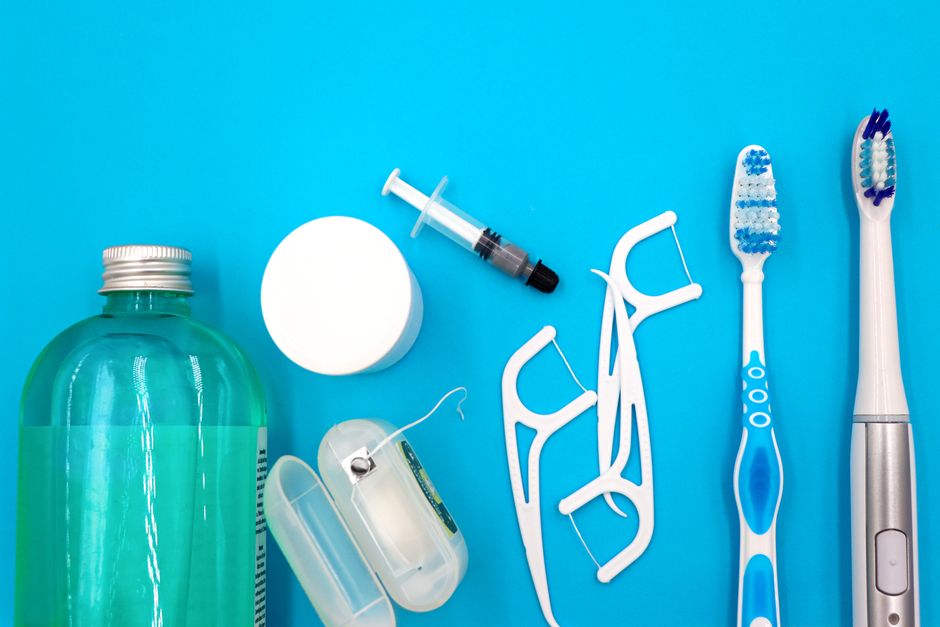
Cavities form when bacteria in your mouth break down sugars and produce acid that dissolves tooth enamel. The two most effective ways to prevent them are fluoride and limiting how often your teeth are exposed to sugar. But those are not the only factors. Saliva, brushing technique, dental sealants, and even the timing of your meals all play a role.
What Prevents Cavities Fluoride Diet And More?
Cavities are not caused by sugar alone. They form through a process that depends on three things: the bacteria living on your teeth, the frequency of sugar exposure, and the strength of your enamel. Change any one of those and you change your risk.
The bacteria most responsible for cavities are Streptococcus mutans and related species. These bacteria live in dental plaque, the sticky film that forms on teeth throughout the day. When you eat or drink something with fermentable carbohydrates, these bacteria produce acid as a byproduct. That acid drops the pH at the tooth surface. When pH stays below roughly 5.5 for long enough, the minerals in enamel — primarily calcium and phosphate — begin to dissolve. This is called demineralization.
Your saliva normally reverses this. It contains calcium, phosphate, and bicarbonate, which neutralize acid and redeposit minerals back into enamel. This is called remineralization. Cavities form when demineralization outpaces remineralization over time.
That balance is what prevention is really about. Fluoride shifts the balance toward repair. Reducing sugar frequency reduces the acid attacks. Saliva flow, brushing, and sealants all support the same goal.
How Does Fluoride Actually Prevent Cavities?
Fluoride prevents cavities in three distinct ways, and all three matter.
First, it incorporates into the enamel crystal structure. When fluoride is present during remineralization, it forms fluorapatite, a mineral that is less soluble in acid than the original hydroxyapatite. Enamel with more fluorapatite dissolves more slowly when acid hits it.
Second, fluoride speeds up remineralization. It attracts calcium and phosphate back into areas of the tooth that have been partially demineralized, effectively repairing early damage before it becomes a visible cavity.
Third, fluoride interferes with bacterial metabolism. It reduces the ability of cavity-causing bacteria to produce acid. This effect is smaller than the enamel effects, but it contributes.
Community water fluoridation remains the most studied public health measure for cavity prevention. The CDC lists it as one of the ten great public health achievements of the 20th century, based on decades of evidence showing reduced cavity rates in communities with fluoridated water. Fluoride toothpaste is the most common individual-level source. Most dental professionals also recommend fluoride varnish for children at elevated risk, applied in a dental office.
Fluoride is not without debate. Very high intake during tooth development can cause dental fluorosis, which appears as white spots or streaks on enamel. This is why water fluoridation levels are regulated and why fluoride supplements are not recommended for children in fluoridated areas. At recommended levels, the evidence supports benefit with minimal risk.
Which Foods and Drinks Cause the Most Damage?
It is not just how much sugar you eat. It is how often.
Each time you eat fermentable carbohydrates, acid attacks your teeth for roughly 20 to 30 minutes. If you snack throughout the day, your teeth never get a chance to recover. A single candy bar eaten with a meal causes less damage than the same candy bar nibbled over two hours.
The worst offenders for cavity risk tend to be:
- Sugary drinks — soda, sweetened juice, sports drinks, and sweet tea. Liquid sugar reaches the teeth quickly and is often sipped over long periods.
- Sticky sweets — dried fruit, caramel, gummy candy, and honey. These cling to tooth surfaces and stay there.
- Refined starches — crackers, chips, and white bread. These break down into sugars and can stick between teeth.
- Frequent snacking — even on foods that seem healthy. Constant grazing keeps acid levels high.
Some foods help. Cheese raises the pH in your mouth and provides calcium and phosphate. Crunchy vegetables and fruits increase saliva flow. Drinking water, especially fluoridated water, rinses away food particles and dilutes acid.
One practical shift: if you are going to eat something sugary, eat it with a meal rather than alone. The increased saliva from a full meal helps clear the sugar faster.





Does Brushing and Flossing Really Make a Difference?
Yes, but the details matter more than most people realize.
Brushing with fluoride toothpaste removes plaque and delivers fluoride to the tooth surface. The evidence consistently shows that brushing twice daily with fluoride toothpaste reduces cavities compared to brushing less often or without fluoride. The mechanical action matters, but the fluoride is doing a large share of the work.
Technique matters too. Many adults brush too hard with a hard-bristled brush, which can wear down enamel and recede gums over time. A soft-bristled brush with gentle circular motions is what dental professionals generally recommend. Two minutes is the standard duration. Most people brush for far less.
Flossing removes plaque from between teeth where a toothbrush cannot reach. The evidence for flossing alone reducing cavities is actually weaker than many people assume. Some studies show benefit; others are less clear. What is well established is that plaque between teeth contributes to both cavities and gum disease, and that cleaning between teeth — whether with floss, interdental brushes, or water flossers — helps remove it. The American Dental Association recommends cleaning between teeth once a day.
What you do after brushing matters. Rinsing with water immediately after brushing washes away the fluoride that would otherwise stay on your teeth. Spitting without rinsing leaves more fluoride behind. Many dentists recommend this, though it is not universally practiced.
Do Sealants and Other Treatments Help?
Dental sealants are a plastic coating applied to the chewing surfaces of back teeth, where deep grooves trap food and bacteria. They are most commonly placed on children’s permanent molars shortly after they erupt, usually around age 6 and again around age 12.
The evidence for sealants is strong. Research consistently shows that sealants reduce cavities on treated surfaces in children and adolescents. They are less commonly used in adults, but can be placed on teeth with deep grooves and no existing decay.
Other preventive treatments include:
- Fluoride varnish — a concentrated fluoride coating applied in a dental office. Typically recommended every 3 to 6 months for children at high cavity risk.
- Prescription fluoride toothpaste — higher fluoride concentration than over-the-counter products, available by prescription for people at elevated risk.
- Antibacterial rinses — chlorhexidine rinse is sometimes prescribed short-term, but it is not intended for long-term daily use.
- Xylitol products — gum, mints, and lozenges. Xylitol is a sugar alcohol that cavity-causing bacteria cannot ferment. Some studies suggest it reduces cavity risk, though results vary and the evidence is not as strong as for fluoride.
None of these replace fluoride and reducing sugar frequency. They add to them.
What About Saliva and Dry Mouth?
Saliva is your mouth’s natural defense system, and when it drops, cavity risk rises sharply.
Saliva washes away food, neutralizes acid, and delivers calcium and phosphate to tooth surfaces. People with chronically dry mouth — from medications, medical conditions, or aging — develop cavities more easily and often more rapidly.
Hundreds of medications can reduce saliva flow. Common categories include antihistamines, antidepressants, blood pressure medications, and diuretics. If you take any of these and notice persistent dry mouth, that is worth discussing with your dentist or doctor.
What helps dry mouth:
- Sipping water frequently throughout the day
- Chewing sugar-free gum to stimulate saliva
- Using saliva substitutes or moisturizing mouth products
- Avoiding alcohol-based mouthwashes, which can dry tissues further
- Limiting caffeine and alcohol, both of which reduce saliva flow
For people with severe dry mouth, a dentist may recommend a prescription fluoride product and more frequent professional cleanings. The combination of dry mouth and high sugar intake is particularly damaging.
Can Cavities Be Reversed?
Early cavities can sometimes be stopped or reversed. Once a cavity has progressed to a hole in the tooth, it cannot heal on its own.
The earliest stage of decay is a white spot lesion — an area where minerals have been lost but the enamel surface is still intact. At this stage, fluoride, improved oral hygiene, and reduced sugar frequency can allow the tooth to remineralize. The white spot may fade or disappear.
Once the decay breaks through the enamel surface and into the dentin beneath, the tooth cannot rebuild itself. At that point, a filling is typically needed to stop the decay from progressing further.
This is why regular dental checkups matter. Early decay is often painless. By the time a cavity hurts, it has usually reached deeper layers of the tooth.
Prevention is not about one thing. It is about stacking small advantages: fluoride exposure, controlled sugar frequency, saliva flow, good brushing, and professional care when needed. No single measure does everything. Together, they shift the balance decisively toward keeping your teeth intact.
Frequently Asked Questions
Does fluoride really prevent cavities?
Yes. Research consistently shows that fluoride reduces cavities by strengthening enamel, speeding remineralization, and interfering with bacterial acid production. Community water fluoridation and fluoride toothpaste are both supported by decades of evidence.
What foods should I avoid to prevent cavities?
The biggest concern is how often you eat sugar, not just how much. Sugary drinks, sticky sweets, and frequent snacking on refined starches cause the most damage because they keep acid levels high on your teeth for extended periods.
Can I prevent cavities without fluoride?
You can reduce cavity risk through diet changes, good brushing, flossing, and regular dental care, but the evidence for fluoride as a cavity-prevention tool is stronger than for any other single measure. Avoiding fluoride removes your most effective defense.
How often should I brush to prevent cavities?
Twice daily with fluoride toothpaste is the standard recommendation supported by clinical evidence. Brushing more often does not necessarily help and can damage enamel if done too aggressively.
