
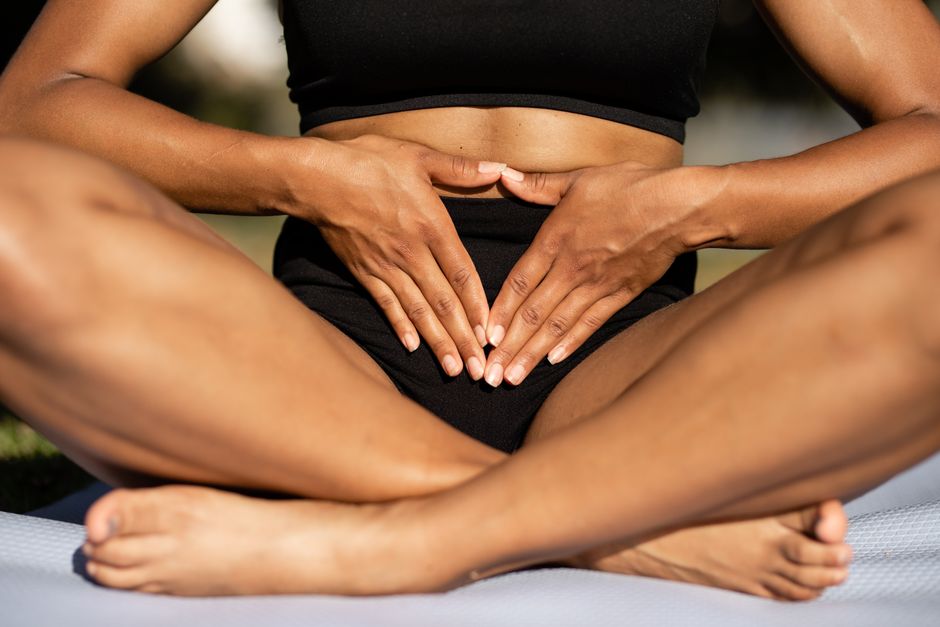
When you need to pass a bowel movement, the position of your body changes how easily stool can leave the rectum. Squatting — with knees higher than hips and feet flat on a surface — is the position most consistently shown to make that process easier. Sitting on a standard toilet with your feet flat on the floor is the least efficient of the three. Lying down is not a useful position for having a bowel movement at all.
That short answer comes down to one piece of anatomy: a muscle called the puborectalis. Understanding what it does explains why position matters, why squatting helps, and why a small footstool can make a real difference for many people.
What Position Helps Constipation: Squat, Sit, or Lie?
Squatting helps most. Sitting works but less efficiently. Lying down does not help you pass stool.
The reason is mechanical, not psychological. The puborectalis muscle forms a sling around the rectum, just above the anal canal. In a standing or sitting posture, this muscle stays partly contracted, pulling the rectum forward and creating a bend — sometimes called the anorectal angle. That bend acts like a flap valve, helping keep stool in until you are ready to go.
When you squat, the hips flex deeply. That deep flexion relaxes the puborectalis and straightens the anorectal angle. The rectum opens into a more direct line, and stool can move through with less pushing.
When you sit on a standard toilet with feet on the floor, the hips flex only partially. The puborectalis stays somewhat engaged, and the angle stays partly bent. You can still have a bowel movement, but it often takes more effort.
Lying down is different again. You are not fighting gravity in the same way, but you also cannot generate the intra-abdominal pressure that helps move stool. More importantly, the position does not relax the puborectalis in the way squatting does. Lying down is not a position for passing stool.
Why Does Squatting Make It Easier to Go?
Squatting changes two things at once: the angle of the rectum and the amount of straining required.
Researchers have measured the anorectal angle in different positions. In a squatting posture, the angle becomes more open compared to sitting. Some imaging studies have found that squatting produces a wider and straighter passage for stool to exit. That means less resistance and less need to bear down.
This matters because straining is not harmless. Repeated, forceful straining raises pressure inside the abdomen and puts stress on the veins around the anus. Over time, that pressure is thought to contribute to hemorrhoids and to anal fissures — small tears in the lining of the anal canal. Straining also puts load on the pelvic floor.
So the value of squatting is not just comfort. It is that the position may reduce the need to strain at all. The stool moves more with the body’s own muscle activity and less with forced pushing.
One clarification worth making: squatting does not make stool softer or treat the underlying cause of constipation. It changes the mechanics of passing stool. If your stool is hard and dry, position alone will not fix that.
How Can You Squat on a Standard Toilet?
Most people in the US do not have a squat toilet. The practical solution is a footstool placed in front of the toilet.
When you sit, place your feet on the stool so your knees rise above your hips. Lean forward slightly, with your forearms resting on your thighs. This mimics much of the hip flexion of a true squat without requiring you to balance on the toilet seat.
This setup is sometimes called the “squatty potty” position, named after a popular product. You do not need a specific brand. Any sturdy stool that raises your feet enough to lift your knees above hip level can work.
A few practical points:
- Relax your abdomen rather than clenching it.
- Do not hold your breath and push hard. Let the movement happen.
- Keep your back relatively straight rather than rounding it forcefully.
- Give it a few minutes. If nothing happens, get up and try later.
Some people find the change makes an immediate difference. Others notice only a small one. The effect depends partly on what is causing the constipation in the first place.





Does Sitting on the Toilet Make Constipation Worse?
Sitting does not cause constipation. But it can make an existing problem harder to manage.
When you sit with feet flat on the floor, the anorectal angle stays partly closed. Passing stool may require more straining than it would in a squatting position. For someone with occasional constipation, that extra effort is usually not a big deal. For someone with chronic constipation, it can add up.
There is also a postural issue worth noting. Sitting fully upright on a toilet with no support for the feet can encourage a person to lean back slightly, which some clinicians think further narrows the passage. Leaning forward with feet supported tends to open it.
The most common mistake is not the sitting itself. It is the straining. Sitting for long periods and pushing hard is what tends to cause problems, not the seated posture alone.
Does Lying Down Help With Constipation?
Lying down does not help you pass stool. It is not a position that supports a bowel movement.
There is a separate question about whether lying on your left side helps with digestion or gas movement. Some people find certain lying positions relieve bloating or discomfort. That is different from helping you have a bowel movement.
If you are lying down because you feel unable to go, the more useful step is usually to get up, walk around, drink water, and try again later. Movement and hydration support bowel function in ways that lying still does not.
When Position Alone Is Not Enough
Changing your position can help, but it does not treat constipation itself. If you are constipated often, position is one small piece of a larger picture.
Constipation is common and usually has more than one cause. Common contributors include:
- Not enough fiber in the diet
- Not enough fluids
- Low physical activity
- Certain medications, including some pain medicines and antidepressants
- Ignoring the urge to go when it comes
- Changes in routine, travel, or stress
- Underlying conditions affecting the bowel, thyroid, or nerves
Position helps with the mechanics of passing stool. It does not address fiber, hydration, medication effects, or an underlying condition. Those require their own attention.
If constipation is persistent, painful, or comes with blood in the stool, unexplained weight loss, or a major change in bowel habits, that warrants a conversation with a clinician. Those signs can point to something that needs proper evaluation.
Is There Evidence That Squatting Helps?
Yes, but the evidence is not as large or as strong as the popularity of squatting might suggest.
Studies using imaging have compared the anorectal angle in squatting versus sitting positions, and several have found that squatting opens the angle more. That is a measurable, consistent finding.
What is less well established is how much that difference translates into real-world relief for people with chronic constipation. Smaller studies have looked at things like time spent on the toilet and perceived ease of passing stool, and some have found improvements with a footstool. But these studies tend to be small, and the results are not uniform across all of them.
So the honest position is this: the mechanism is well understood and the physiological effect is real. The clinical benefit for any one person is likely to vary. It is a low-risk change worth trying, not a guaranteed fix.
Frequently Asked Questions
Does squatting actually help you poop?
Yes, squatting relaxes the puborectalis muscle and straightens the anorectal angle, which can make stool easier to pass. The physiological effect is well documented, though how much relief it provides varies from person to person.
How high should a footstool be for constipation?
High enough that your knees sit above your hips when you are seated. There is no single recommended height, since it depends on your body and your toilet.
Can lying on your left side help you have a bowel movement?
No, lying down is not a position that helps you pass stool. Some people find certain lying positions ease bloating, but that is separate from having a bowel movement.
Is straining on the toilet dangerous?
Repeated forceful straining raises pressure around the anus and is thought to contribute to hemorrhoids and anal fissures over time. Reducing the need to strain is one reason position changes can help.
