
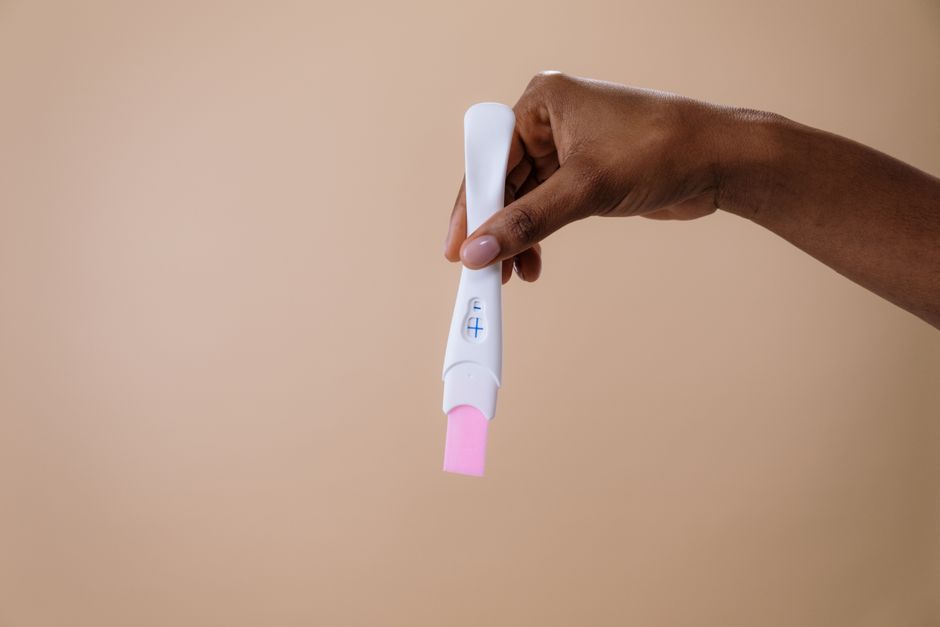
Miscarriage is the most common complication of early pregnancy, and it is far more common than most people realize. About 10 to 20 percent of known pregnancies end in miscarriage, and the true share is likely higher because many losses happen before a person knows they are pregnant. Most miscarriages occur in the first 12 weeks, and the risk rises with age.
What Percentage Of Pregnancies End In Miscarriage?
Among pregnancies that are confirmed, roughly 10 to 20 percent end in miscarriage. That range is the figure most often cited in medical literature and clinical practice.
The word “known” matters. A pregnancy has to be recognized before it can be counted as a loss. Many very early pregnancies end before a missed period, before a positive test, or before a person has any reason to suspect they conceived. When researchers track pregnancies from the moment of conception using sensitive hormone testing, the loss rate climbs well above 20 percent. Some estimates run as high as 30 to 50 percent, though these numbers vary widely depending on how early testing begins and how loss is defined.
So the honest answer depends on what you count. For confirmed pregnancies, 10 to 20 percent is the established figure. For all conceptions, the number is higher and less precise.
Why Does The Risk Change With Pregnancy Week?
Miscarriage risk is not constant across pregnancy. It is highest early and drops sharply as the pregnancy progresses.
The great majority of miscarriages happen before 12 weeks. Once a pregnancy reaches the second trimester, the chance of loss falls substantially. By the time a pregnancy is past the first trimester, miscarriage becomes uncommon, though it can still occur.
The reason for the early concentration comes down to biology. The first weeks are when the embryo undergoes rapid, complex development. Cells are dividing, organs are beginning to form, and the genetic blueprint is being read for the first time. Errors during this window are common, and many are incompatible with continued development.
This is why bleeding in early pregnancy is watched closely but does not always mean a loss is coming. Some early bleeding resolves and the pregnancy continues. Other times it signals a miscarriage in progress. Only an exam and imaging can tell the difference.
How Does Age Affect Miscarriage Risk?
Age is one of the strongest factors linked to miscarriage, and the relationship is well documented. Risk rises gradually through the twenties and thirties, then climbs more steeply after 35.
The main reason is egg quality. A person is born with all the eggs they will ever have. Those eggs age along with the body. Over time, the chance of chromosomal errors in an egg increases, and those errors are the leading cause of early pregnancy loss.
It is worth being precise here. Age raises the odds of miscarriage, but it does not determine the outcome of any single pregnancy. Many people over 35 carry pregnancies to term without difficulty. Many people under 25 experience miscarriage. Age shifts the probability, not the certainty.
What Actually Causes A Miscarriage?
Most early miscarriages are caused by chromosomal abnormalities in the developing embryo. These are random errors in how genetic material combines or divides. They are not caused by anything the pregnant person did or did not do.
This point deserves emphasis because it runs against a common assumption. Exercise, stress, lifting, sex, and most foods do not cause miscarriage. The miscarriage is usually the body recognizing that the pregnancy cannot continue and ending it.
Other causes are less common but real. These include:
- Problems with the uterus, such as fibroids or an unusually shaped uterus
- Hormonal conditions, including thyroid problems and uncontrolled diabetes
- Certain infections
- Blood clotting disorders
- Weakened cervix, which tends to cause second-trimester loss rather than early loss
Sometimes no cause is ever found. That is common and does not mean something was missed.
Does One Miscarriage Mean Future Pregnancies Are At Risk?
For most people, no. A single miscarriage does not meaningfully raise the risk in a future pregnancy. The large majority of people who have one miscarriage go on to have a healthy pregnancy.
This is a place where fear often outruns evidence. One loss is common and usually not a sign of an underlying problem. The picture changes somewhat with repeated losses.
When a person has two or more miscarriages in a row, clinicians may recommend testing to look for a cause. That evaluation can include genetic testing, imaging of the uterus, and blood tests for clotting or hormonal issues. Even then, many people with recurrent loss go on to carry a pregnancy successfully, sometimes without any specific treatment.
What Are The Signs Of A Miscarriage?
The most common signs are vaginal bleeding and cramping. Bleeding may be light or heavy. Cramping may feel like menstrual cramps or stronger.
But symptoms are not reliable on their own. Some miscarriages cause clear symptoms. Others are discovered only on ultrasound, with no warning signs at all. And some bleeding in early pregnancy happens without a miscarriage.
If you are pregnant and notice bleeding or cramping, contact a clinician. They can check hormone levels and use ultrasound to see what is happening. Waiting to see whether symptoms resolve on their own is not a safe approach, because a miscarriage that does not fully pass can lead to complications.
How Is A Miscarriage Treated?
There are a few standard approaches, and the right one depends on the situation, how far along the pregnancy was, and the person’s preference.
One option is to wait and let the body pass the tissue on its own. Another is medication to help the process along. A third is a procedure to remove the tissue. Each has tradeoffs in terms of timing, discomfort, and completeness.
The choice is a conversation between patient and clinician. There is no single correct path. What matters is that the pregnancy is fully resolved and that the person is monitored for complications such as heavy bleeding or infection.
Physical recovery is usually quick. Emotional recovery varies widely and has no set timeline. Grief after miscarriage is real and does not follow a schedule.
Can Miscarriage Be Prevented?
Most early miscarriages cannot be prevented, because they stem from chromosomal errors that happen at conception. No behavior change can undo those.
That said, some general health steps support a healthy pregnancy. Managing chronic conditions like diabetes and thyroid disease, avoiding alcohol and smoking, and taking a prenatal vitamin with folic acid are widely recommended. These steps support overall pregnancy health, though they do not eliminate miscarriage risk.
Be wary of products or programs that claim to prevent miscarriage. No supplement or lifestyle protocol has been shown to prevent miscarriage caused by chromosomal abnormalities, which is the majority of cases. If a claim sounds too certain, it usually is.
Frequently Asked Questions
What percentage of pregnancies end in miscarriage?
About 10 to 20 percent of confirmed pregnancies end in miscarriage. The true rate across all conceptions is likely higher, since many losses happen before a pregnancy is recognized.
What week is miscarriage most common?
Miscarriage is most common in the first 12 weeks of pregnancy. The risk drops substantially once a pregnancy moves into the second trimester.
Does stress cause miscarriage?
No, everyday stress has not been shown to cause miscarriage. Most early miscarriages are caused by chromosomal abnormalities that occur at conception.
Can you have a miscarriage without bleeding?
Yes, some miscarriages cause no bleeding or cramping and are found only on ultrasound. This is why early prenatal visits and imaging matter.
