
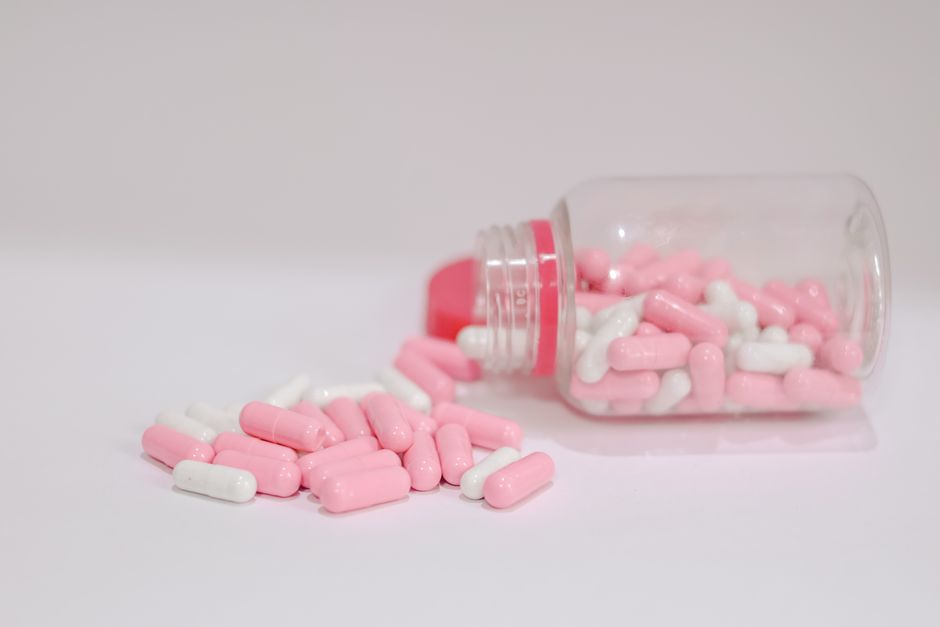
If you have anemia and a headache, sore back, or fever, the pain reliever you reach for matters more than most people realize. Acetaminophen (Tylenol) is generally the safest first choice for occasional pain when you have anemia, because it does not irritate the stomach or affect platelets the way some other pain relievers can. NSAIDs like ibuprofen and naproxen are riskier — especially if your anemia is caused by bleeding, such as from an ulcer or heavy menstrual periods — because they can cause gastrointestinal bleeding and make the anemia worse. Aspirin carries similar bleeding concerns. The right choice depends on what is causing your anemia and what other medications you take.
What Pain Reliever Can I Take With Anemia?
Acetaminophen is the pain reliever most clinicians consider first-line for people with anemia who need occasional relief. It works on pain and fever through the central nervous system and does not thin the blood, does not irritate the stomach lining, and does not interfere with platelet function.
That last point matters. Anemia means your blood has fewer healthy red blood cells or less hemoglobin than normal. If your anemia is caused by blood loss — the most common cause in adults — then any drug that increases bleeding risk works directly against you.
NSAIDs are the main concern. Ibuprofen, naproxen, aspirin, and similar drugs block enzymes called COX-1 and COX-2. Blocking COX-1 reduces production of prostaglandins that protect the stomach lining. Without that protection, the stomach is more vulnerable to acid damage and bleeding. These drugs also reduce platelet clumping, which means any bleeding that starts is harder to stop.
For someone with a normal blood count, that risk is usually small for occasional use. For someone already anemic from blood loss, it can be a real problem. The same drug that eases a headache can quietly worsen the underlying condition.
None of this means NSAIDs are absolutely off-limits for every person with anemia. It means the decision should involve your doctor, who knows your hemoglobin level, the cause of your anemia, and your other medications.
Why NSAIDs Are Risky When You Have Anemia
NSAIDs can cause bleeding in the gastrointestinal tract even in people who feel fine. This is well documented. The bleeding is often slow and invisible — you may not see blood in your stool — which is exactly what makes it dangerous for someone who is already anemic.
Consider what happens over time. You take ibuprofen for a few days for back pain. Small amounts of blood seep from the stomach or intestinal lining. Your body loses iron with that blood. If your anemia was already borderline, or if you have an iron deficiency, the loss adds up.
There is also a direct effect on the kidneys. NSAIDs reduce blood flow to the kidneys by blocking prostaglandins that help regulate it. In people with certain kidney conditions or those taking blood pressure medications, this can matter. Anemia and kidney disease often occur together, since the kidneys produce erythropoietin, the hormone that signals your bone marrow to make red blood cells.
Some clinicians recommend that anyone with anemia avoid NSAIDs unless a doctor specifically approves them. Others take a more individualized approach, weighing the dose, duration, and cause of anemia. The evidence supports caution. It does not support a blanket rule for every situation.
What About Aspirin and Blood Thinners?
Aspirin is an NSAID, and it carries the same bleeding risks. Low-dose aspirin is sometimes prescribed for heart protection, and that decision involves balancing cardiovascular benefit against bleeding risk. If you have anemia and take daily aspirin, your doctor should know about the anemia.
Prescription blood thinners — anticoagulants like warfarin, apixaban, or rivaroxaban — and antiplatelet drugs like clopidogrel also increase bleeding risk. Combining these with NSAIDs compounds the danger. Acetaminophen is generally the safer option for occasional pain in this situation, though it is not risk-free.
Acetaminophen can affect INR, a measure of how long it takes blood to clot, in people taking warfarin. This interaction is real but modest at typical doses. Anyone on warfarin who uses acetaminophen regularly should have their INR monitored more closely. This is a conversation for your doctor, not a decision to make alone.
Here is a detail many people miss: acetaminophen’s safety profile changes at higher doses. The difference between a safe dose and a harmful one is narrower than most people assume. The liver processes acetaminophen, and exceeding the recommended maximum — or combining it with alcohol or other liver-stressing factors — can cause serious liver injury. This is true whether or not you have anemia.





How Do You Know What Is Causing Your Anemia?
The cause of your anemia shapes which pain relievers are safe. Anemia is not one condition. It is a sign of many different underlying problems, and they do not all carry the same bleeding risk.
- Iron deficiency anemia — often from blood loss (heavy periods, ulcers, colon polyps) or low dietary iron. Bleeding risk from NSAIDs is a major concern here.
- Anemia of chronic disease — common with kidney disease, autoimmune conditions, and chronic infections. NSAID risk depends on the specific disease.
- Vitamin B12 or folate deficiency — caused by diet, absorption problems, or certain medications. Bleeding is not the primary issue, but NSAIDs still carry stomach and kidney risks.
- Hemolytic anemia — red blood cells are destroyed faster than they are made. Some causes involve the immune system, and NSAIDs can occasionally trigger or worsen certain types.
- Bone marrow disorders — the marrow does not make enough blood cells. Platelet counts may also be low, making bleeding risk higher.
If you do not know why you are anemic, that is the first thing to find out. A complete blood count, iron studies, and sometimes a stool test or endoscopy can identify the cause. Treating the anemia without knowing its source is like mopping the floor without fixing the leak.
Safer Pain Relief Options Beyond Medication
Not every ache needs a pill. For mild pain, some non-drug approaches have reasonable evidence behind them and carry no bleeding risk.
Heat and cold therapy can help with muscle pain and joint stiffness. Heat relaxes muscles and increases blood flow. Cold reduces inflammation and numbs sore areas. Neither affects your blood count or bleeding risk.
Physical therapy and targeted stretching can address many musculoskeletal pain problems at the source. For chronic pain, cognitive behavioral therapy and relaxation techniques have evidence supporting their use. These are not placebos — they change how the brain processes pain signals.
Topical pain relievers deserve a mention. Some topical NSAIDs, like diclofenac gel, are absorbed through the skin and reach much lower levels in the bloodstream than oral NSAIDs. This means less systemic bleeding risk. However, they are not risk-free, and it is not clear whether they are safe for everyone with anemia. Ask your doctor before using them.
If you need something for a headache, hydration, sleep, and stress management often help more than people expect. Rebound headaches from frequent pain reliever use are also common and worth knowing about.
When to Call Your Doctor Before Taking Anything
Certain situations call for a conversation with your doctor before you take any pain reliever, including acetaminophen.
- You do not know the cause of your anemia.
- You take a blood thinner or antiplatelet medication.
- You have a history of stomach ulcers or gastrointestinal bleeding.
- You have kidney disease or liver disease.
- You drink alcohol regularly.
- Your pain is severe, lasts more than a few days, or comes with fever, unexplained weight loss, or night sweats.
Severe pain with anemia is not something to self-treat. It can signal a bleeding ulcer, a serious infection, or another condition that needs urgent care. If you feel faint, short of breath at rest, or have chest pain, seek emergency care.
Anemia itself can cause headaches, fatigue, and body aches. Sometimes the pain you are trying to treat is a symptom of the anemia, not a separate problem. In that case, the right treatment is addressing the anemia — not adding a pain reliever on top of it.
Comparing Pain Reliever Options
| Pain Reliever | Bleeding Risk | Stomach Irritation | General Consideration With Anemia |
|---|---|---|---|
| Acetaminophen | None significant | Low | Often first choice for occasional pain; watch total daily dose and liver health |
| Ibuprofen | Increased | Moderate to high | Caution advised, especially with bleeding-related anemia |
| Naproxen | Increased | Moderate to high | Same concerns as ibuprofen; longer-lasting effect |
| Aspirin | Increased | Moderate | Bleeding risk; often already prescribed for heart reasons |
| Topical NSAIDs | Lower than oral | Minimal | Less systemic absorption, but not confirmed safe for all anemia types |
This table is a general guide, not a prescription. Your doctor can tell you what fits your specific situation.
Frequently Asked Questions
Can I take ibuprofen if I have anemia?
It depends on the cause of your anemia. If your anemia is from blood loss, ibuprofen can increase bleeding and make it worse, so most clinicians advise against it. Talk to your doctor before using it.
Is Tylenol safe for anemia?
Acetaminophen (Tylenol) is generally considered the safest over-the-counter pain reliever for people with anemia because it does not cause stomach bleeding or affect platelets. Stay within the recommended dose and check with your doctor if you have liver problems or drink alcohol regularly.
What can I take for a headache if I have anemia?
Acetaminophen is usually the first choice for occasional headaches when you have anemia. If headaches are frequent, they may be a symptom of the anemia itself, so addressing the underlying cause matters more than repeated pain relief.
Does anemia make pain relievers less effective?
No. Anemia does not reduce how well pain relievers work. The concern is safety — specifically, whether a given pain reliever could worsen your anemia or cause bleeding.
