
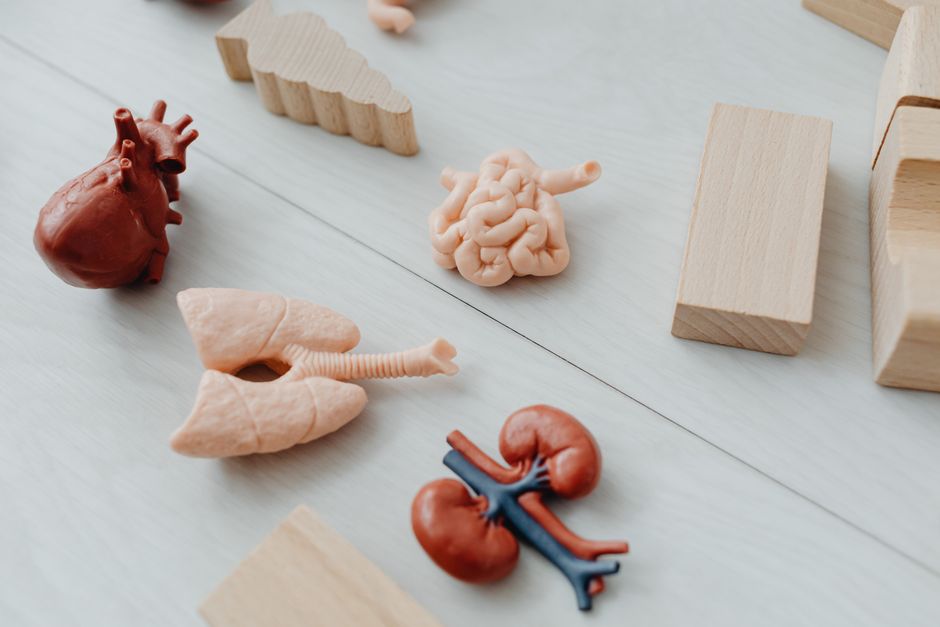
The human body is organized into several distinct organ systems, each with a specific job to keep you alive and healthy. An organ system is a group of organs that work together to perform one or more major functions. For example, the digestive system includes the stomach, liver, and intestines, all working to break down food and absorb nutrients. This article breaks down exactly which organs belong to each of the major organ systems in the body.
What Organs Are In The Integumentary System?
The integumentary system is your body’s outer layer. Its main job is protection, keeping germs and damage out while holding everything else in. The primary organ here is the skin, which is actually the largest organ in your body by weight.
Beyond skin, this system includes hair, nails, and various glands. Sweat glands help cool you down, and oil glands keep your skin from drying out. Some people don’t think of hair and nails as organs, but they are specialized structures that are part of this system. The skin itself has three layers—the epidermis, dermis, and hypodermis—each with its own role in sensation, temperature control, and immunity.
What Organs Are In The Skeletal System?
The skeletal system provides the framework for your body. It protects soft organs, stores minerals like calcium, and produces blood cells. The organs here are the bones themselves. An adult human has 206 bones, ranging from the tiny bones in your ear to the large femur in your thigh.
But bones are not the only parts. This system also includes cartilage, ligaments, and tendons. Cartilage cushions the ends of bones where they meet at joints. Ligaments connect bone to bone, holding joints together. Tendons connect muscle to bone, allowing movement. The National Institutes of Health notes that bone is living tissue that constantly breaks down and rebuilds itself, a process called remodeling.
What Organs Are In The Muscular System?
The muscular system is responsible for all movement in your body. It includes three types of muscle tissue, each with different organs. Skeletal muscle is what you think of as your “muscles”—the biceps, quadriceps, and abdominal muscles. These are attached to bones and move your body voluntarily.
Smooth muscle is found inside hollow organs like your stomach, intestines, blood vessels, and bladder. You cannot consciously control these muscles—they work automatically to push food through your digestive tract or regulate blood pressure. Cardiac muscle is only found in one organ: the heart. It has a unique structure that allows it to contract rhythmically without getting tired, pumping blood for your entire life. Research published in the Journal of Physiology confirms that cardiac muscle cells have a high density of mitochondria to meet their constant energy demands.





What Organs Are In The Nervous System?
The nervous system is your body’s control center and communication network. It has two main parts: the central nervous system (CNS) and the peripheral nervous system (PNS). The organs of the CNS are the brain and the spinal cord. The brain processes information, controls thought and memory, and sends commands. The spinal cord acts as a highway, carrying signals between the brain and the rest of the body.
The PNS includes all the nerves that branch out from the spinal cord to every part of your body. These nerves are bundles of specialized cells called neurons. The system also includes sensory organs like the eyes, ears, nose, and tongue, which collect information from the outside world. The eyes detect light, the ears detect sound, and the nose detects chemicals in the air. The American Academy of Neurology states that the brain contains roughly 86 billion neurons, each connected to thousands of others.
What Organs Are In The Cardiovascular System?
The cardiovascular system, also called the circulatory system, moves blood throughout your body. The central organ is the heart, a four-chambered muscle that pumps blood. The other organs are the blood vessels: arteries, veins, and capillaries. Arteries carry oxygen-rich blood away from the heart. Veins carry oxygen-poor blood back to the heart. Capillaries are tiny vessels that connect arteries to veins, where oxygen and nutrients actually exchange with tissues.
This system also includes the blood itself, which is considered a connective tissue organ. Blood has four main components: red blood cells (carry oxygen), white blood cells (fight infection), platelets (clot blood), and plasma (liquid that carries nutrients and waste). The American Heart Association reports that the heart beats about 100,000 times per day, pumping roughly 2,000 gallons of blood through 60,000 miles of blood vessels.
What Organs Are In The Respiratory System?
The respiratory system handles gas exchange, bringing oxygen into the body and removing carbon dioxide. The main organs are the lungs, a pair of sponge-like organs in your chest. But air must travel through several structures before reaching them. Air enters through the nose or mouth, passes through the pharynx (throat), then the larynx (voice box), and down the trachea (windpipe).
The trachea splits into two bronchi, one for each lung. Inside the lungs, these branch into smaller tubes called bronchioles, ending in tiny air sacs called alveoli. The alveoli are where oxygen passes into the blood and carbon dioxide comes out. The diaphragm is a dome-shaped muscle at the bottom of the rib cage that contracts to pull air into the lungs. The CDC states that an adult takes about 12 to 20 breaths per minute at rest.
What Organs Are In The Digestive System?
The digestive system breaks down food into nutrients your body can use. It is a long tube running from mouth to anus, plus several accessory organs. The organs of the digestive tract include the mouth, esophagus, stomach, small intestine, large intestine, rectum, and anus. Each has a specific role in processing food.
Accessory organs are not part of the tube but are essential. The liver produces bile to break down fats and filters toxins from the blood. The gallbladder stores bile and releases it when needed. The pancreas produces digestive enzymes and hormones like insulin. The salivary glands in your mouth start the breakdown of starches. According to the National Institute of Diabetes and Digestive and Kidney Diseases, the small intestine is about 20 feet long and is where most nutrient absorption happens.
| Organ System | Primary Organs | Main Function |
|---|---|---|
| Integumentary | Skin, hair, nails, glands | Protection, temperature regulation |
| Skeletal | Bones, cartilage, ligaments, tendons | Support, protection, movement |
| Muscular | Skeletal muscles, smooth muscles, cardiac muscle | Movement, posture, heat production |
| Nervous | Brain, spinal cord, nerves, sensory organs | Control, communication, sensation |
| Cardiovascular | Heart, blood vessels, blood | Transport of oxygen, nutrients, waste |
| Respiratory | Lungs, trachea, bronchi, diaphragm | Gas exchange (oxygen in, carbon dioxide out) |
| Digestive | Stomach, intestines, liver, pancreas | Breakdown and absorption of food |
| Urinary | Kidneys, ureters, bladder, urethra | Waste removal, fluid balance |
| Endocrine | Glands (thyroid, pituitary, adrenal, etc.) | Hormone production and regulation |
| Reproductive | Ovaries/testes, uterus, related structures | Production of sex cells and hormones |
What Organs Are In The Urinary System?
The urinary system filters waste from your blood and removes it as urine. The key organs are the kidneys, two bean-shaped organs located near your lower back. Each kidney contains about a million tiny filtering units called nephrons. They filter about 120 to 150 quarts of blood daily to produce about 1 to 2 quarts of urine.
Urine travels from the kidneys through tubes called ureters to the bladder, a muscular sac that stores urine. When you urinate, urine leaves the bladder through the urethra. The kidneys also regulate blood pressure, balance electrolytes, and produce a hormone that stimulates red blood cell production. The National Kidney Foundation emphasizes that kidney disease often has no symptoms until it is advanced, which is why regular checkups matter.
What Organs Are In The Endocrine System?
The endocrine system uses hormones to regulate many body functions. Unlike the nervous system which works fast, the endocrine system works slowly but has long-lasting effects. The organs are glands that produce and release hormones directly into the blood. Major glands include the pituitary gland (the “master gland” at the base of the brain), the thyroid gland (in the neck), the parathyroid glands (behind the thyroid), the adrenal glands (on top of the kidneys), and the pineal gland (in the brain).
The pancreas is also an endocrine organ, producing insulin and glucagon to control blood sugar. The reproductive organs—ovaries in females and testes in males—produce sex hormones like estrogen and testosterone. This system also includes the hypothalamus, a part of the brain that links the nervous system to the endocrine system. The Endocrine Society notes that more than 50 different hormones are produced by the human body.
Common Misconceptions About Organ Systems
A common myth is that each organ belongs to only one system. Many organs belong to two or more systems. The pancreas is part of both the digestive and endocrine systems. The testes and ovaries are part of both the reproductive and endocrine systems. The skin is part of the integumentary system but also plays a role in immunity and vitamin D production.
Another misconception is that organ systems work independently. They are deeply connected. The cardiovascular system delivers oxygen from the respiratory system to all cells. The digestive system provides nutrients that the muscular system needs to move. The nervous system controls how fast the heart beats. If one system fails, others are affected. For example, kidney failure (urinary system) causes waste buildup that damages the heart (cardiovascular system). Understanding these connections helps explain why overall health depends on every system working together.
Frequently Asked Questions
What is the largest organ in the human body?
The skin is the largest organ by both weight and surface area. It covers about 20 square feet in adults.
How many organs are in the human body?
The exact number depends on how you count, but most sources list 78 to 80 individual organs. This does not include tissues like blood or bone marrow.
Do organs ever belong to more than one system?
Yes. The pancreas belongs to both the digestive and endocrine systems. The skin is part of the integumentary system and the immune system.
Which organ system is most important?
No single system is most important because all are necessary. The nervous and cardiovascular systems are critical for immediate survival, but all systems must function for long-term health.
