
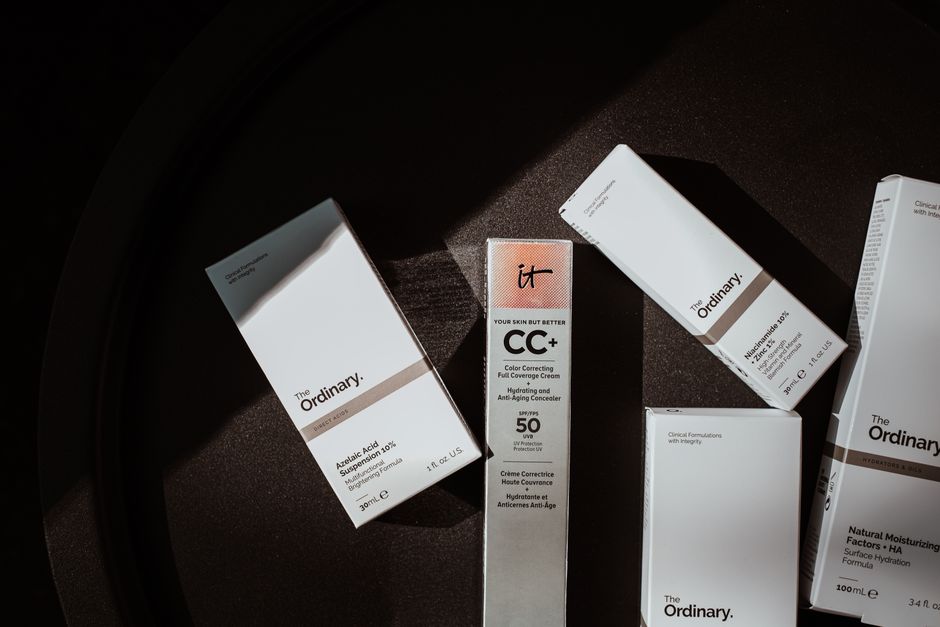
Acne scars are stubborn, and most drugstore products cannot erase them. That is the honest starting point. What ordinary products can do is support the skin’s own repair process, reduce redness and dark marks that look like scars, and protect healing skin from further damage. The most useful everyday items are sunscreen, a gentle cleanser, a moisturizer, and products with ingredients like silicone gel, niacinamide, or salicylic acid. None of these replace a dermatologist for deep or raised scars.
What Is the Difference Between an Acne Scar and a Dark Mark?
Most people who think they have scars actually have post-inflammatory hyperpigmentation. This is a flat, brown or red mark left after a pimple heals. It is not a true scar. It sits in the skin’s surface and often fades on its own over months as skin cells turn over.
A true scar changes the texture of the skin. It can be a shallow indentation (an atrophic scar), a raised bump (a hypertrophic scar or keloid), or a patch of thickened tissue. True scars do not fade with time the way dark marks do. They involve changes to collagen, the structural protein that gives skin its shape.
This distinction matters because ordinary products behave very differently against each type. Dark marks respond to ingredients that fade pigment and calm inflammation. True textural scars do not respond much to over-the-counter creams at all. No topical product sold without a prescription rebuilds lost collagen or flattens a raised scar with strong evidence behind it.
If you are unsure which you have, look at the mark in good light. Run a finger across it. If the skin feels flat and smooth, it is likely pigmentation. If you feel a dip or a bump, it is more likely a true scar.
What Ordinary Products Actually Help With Acne Scars?
The single most useful everyday product is broad-spectrum sunscreen. This is not a marketing claim. Ultraviolet light darkens existing pigmentation and slows the skin’s ability to repair itself. A dark mark exposed to daily sun can linger far longer than one that is protected. Sunscreen does not treat scars directly, but it protects the conditions under which skin heals.
Beyond sunscreen, a few ordinary categories have real evidence behind them.
- Silicone gel or silicone sheets. These are among the better-supported over-the-counter options for raised scars. They are widely used after surgery and injury. Evidence for their effect on acne scars specifically is more limited, but they are considered a reasonable first-line home option for raised scars by many clinicians.
- Niacinamide. This form of vitamin B3 is found in many affordable moisturizers and serums. Some studies suggest it can reduce the appearance of dark spots and support the skin barrier. It is gentle and well tolerated by most people.
- Salicylic acid. This helps clear pores and reduce new breakouts. Preventing new acne is one of the most effective ways to prevent new scars. It does not fade existing scars.
- Azelaic acid. Available in some over-the-counter strengths and by prescription, it has evidence for reducing pigmentation and calming inflammation.
- Alpha hydroxy acids. Ingredients like glycolic acid can speed up the shedding of surface skin cells, which may help fade dark marks over time. They can also irritate skin, so they are not for everyone.
A gentle, non-drying cleanser and a basic moisturizer round out the list. Neither treats scars, but healthy, intact skin heals better than skin that is stripped and irritated by harsh products.
Do Silicone Gels and Sheets Really Work on Acne Scars?
Silicone is the best-studied over-the-counter product for raised scars. Research on surgical and burn scars consistently shows that silicone gel and silicone sheets can soften and flatten raised scars over time. The evidence for acne scars specifically is thinner, but the mechanism and the broader scar evidence make it a reasonable option many dermatologists mention.
Silicone works by keeping the scar moist and creating a slight barrier that seems to regulate collagen production. It does not work overnight. Clinical experience and scar research suggest it needs to be used consistently for weeks to months before change is visible. Results vary, and some scars respond little or not at all.
For indented (atrophic) acne scars, silicone has no meaningful evidence. Those scars are a structural problem below the surface, and a topical gel cannot fill them in.





What About Dark Marks Left After Acne?
Dark marks are where ordinary products have the most honest chance of helping. Post-inflammatory hyperpigmentation fades faster when you protect skin from sun, calm ongoing inflammation, and support cell turnover.
Products containing niacinamide, azelaic acid, or vitamin C are commonly used for this. Some studies support each of these for reducing pigmentation, though results vary and none is a fast fix. A daily broad-spectrum sunscreen is the backbone of any routine aimed at fading dark marks. Without it, other products are working against the sun.
One clarification worth knowing: dark marks are not caused by poor hygiene or by picking alone, though picking makes them worse. They are the skin’s inflammatory response to the acne itself, and they are more common and more persistent in people with darker skin tones. That is a matter of skin biology, not effort.
Which Products Do Not Live Up to the Claims?
A lot of acne scar products are sold on hope rather than evidence. Being clear about this saves money and disappointment.
No over-the-counter cream has strong evidence that it removes indented acne scars. Products marketed as “scar removers” or “scar erasers” typically contain moisturizers, mild acids, or plant extracts with no trials showing they rebuild collagen or fill depressions. Some may soften the look of skin, but that is not the same as treating a scar.
Essential oils, “collagen-boosting” creams applied to the surface, and DIY treatments have no reliable evidence for scar improvement. Topical collagen does not penetrate into the deeper skin where scars form. Some essential oils can irritate skin or cause allergic reactions, which can make pigmentation worse.
Be cautious with high-strength acids and harsh scrubs used at home. They can damage the skin barrier and trigger more inflammation, which is the opposite of what healing skin needs.
When Do Ordinary Products Stop Being Enough?
Some acne scars need treatments that only a clinician can provide. Deep indented scars, widespread scarring, and raised keloids generally do not improve much with anything you can buy off a shelf.
In-clinic options include laser therapy, microneedling, chemical peels, subcision (a procedure that releases tethered scars), and corticosteroid injections for raised scars. These have varying levels of evidence, and response differs by scar type and skin tone. A dermatologist can assess which type of scar you have and which approach fits. This is not a decision to make from a product label.
Preventing new scars is the most reliable strategy. Treating active acne early, avoiding picking, and using sunscreen daily all reduce the chance of new marks and scars forming. If acne is persistent or leaving scars, that is a good reason to see a clinician rather than keep trying new creams.
How Should You Build a Simple Routine?
Keep it simple and consistent. A short routine used every day beats an elaborate one used occasionally.
- Morning: gentle cleanser, a moisturizer with niacinamide if you like, and broad-spectrum sunscreen.
- Evening: gentle cleanser, then a treatment product such as salicylic acid or azelaic acid if your skin tolerates it, followed by moisturizer.
- For raised scars: silicone gel or a silicone sheet applied as directed, used consistently over weeks to months.
Introduce one new product at a time so you can tell what helps and what irritates. Give any product several weeks before judging it. Patience matters more than the number of products on your shelf.
Frequently Asked Questions
Can over-the-counter products get rid of acne scars?
They can help fade dark marks and may soften raised scars, but no over-the-counter product has strong evidence that it removes indented acne scars. Deep or raised scars usually need in-clinic treatment.
What is the best ordinary product for acne scars?
Broad-spectrum sunscreen is the most useful everyday product because it protects healing skin and prevents dark marks from getting darker. Silicone gel is the best-supported option for raised scars.
Does vitamin E oil help acne scars?
There is no reliable evidence that vitamin E oil improves acne scars, and it can irritate skin or cause allergic reactions in some people. Silicone and sunscreen have better support.
How long do acne scars take to fade?
Flat dark marks often fade over several months on their own, faster with sun protection. True textural scars do not fade with time and generally need clinical treatment to improve.
