
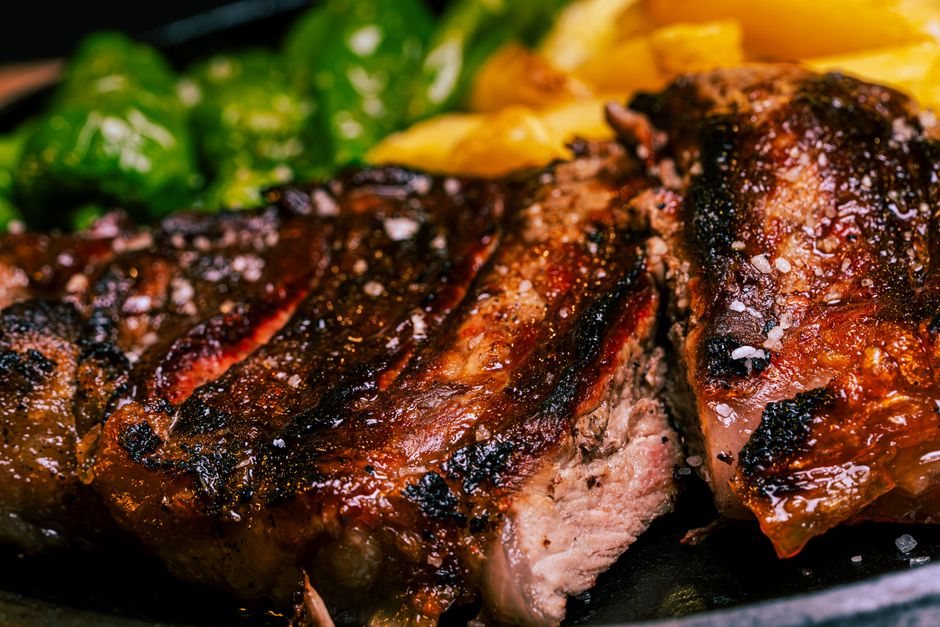
Steak is one of the most nutrient-dense foods you can put on a plate. A typical serving delivers a complete protein with all nine essential amino acids, highly absorbable heme iron, zinc, selenium, and a range of B vitamins — especially B12, which occurs naturally almost exclusively in animal foods. It also supplies creatine, carnosine, and other compounds found in muscle meat. The exact amounts depend on the cut, the animal, and how it was raised and cooked.
What Nutrients Are In Steak Protein Iron And More?
Beef muscle tissue is built from protein and water, with fat distributed through and around the muscle. That basic structure explains most of its nutrition. The protein is complete, meaning it contains all nine amino acids your body cannot make on its own, in proportions the human body uses well.
The minerals and vitamins that matter most in steak are iron, zinc, selenium, and several B vitamins. Beef also contains smaller amounts of phosphorus, potassium, magnesium, and copper. Grass-fed and grain-fed beef differ somewhat in fat composition, but the core nutrient profile — protein, iron, zinc, B12 — stays broadly similar.
One point worth getting straight: steak is not a significant source of vitamin C, fiber, or calcium. It is a concentrated package of protein, minerals, and B vitamins, not a multivitamin on a plate.
How Much Protein Is In Steak?
A cooked 3-ounce portion of beef — roughly the size of a deck of cards — provides about 21 to 26 grams of protein, depending on the cut and its fat content. Leaner cuts like sirloin or round tend to sit at the higher end of that range per calorie. Fattier cuts deliver similar protein per ounce but carry more calories from fat.
Protein in beef is highly digestible. The body absorbs and uses beef protein efficiently, which is one reason it appears in discussions of muscle maintenance, especially for older adults. Protein needs rise with age as muscle mass naturally declines, and a serving of steak contributes substantially toward a day’s intake.
Raw weight and cooked weight are not the same. Meat loses water during cooking, so a 4-ounce raw portion typically shrinks to roughly 3 ounces cooked. If you are tracking protein, weigh after cooking or account for that shrinkage.
What Kind Of Iron Is In Steak?
Steak contains heme iron — the form bound to hemoglobin and myoglobin in animal tissue. This is the key difference between beef and plant iron sources. Heme iron is absorbed considerably more efficiently than the non-heme iron found in beans, spinach, and fortified grains.
That absorption advantage matters. Iron deficiency is one of the most common nutrient deficiencies worldwide, and it affects women of reproductive age in particular because of menstrual blood loss. The heme iron in beef is less affected by other compounds in a meal than plant iron is. Phytates in grains and legumes, and polyphenols in tea and coffee, can inhibit non-heme iron absorption. Heme iron largely sidesteps that interference.
Iron supports oxygen transport, energy metabolism, and immune function. A serving of beef contributes meaningfully to daily iron needs, though how much you absorb depends on your body’s current iron status — the body adjusts absorption up when stores are low and down when they are full.
Which Vitamins And Minerals Does Steak Provide?
Beyond protein and iron, steak is dense in several micronutrients that are harder to get from plant foods or that occur in more absorbable forms in meat.
- Vitamin B12: Steak is a strong source. B12 is essential for nerve function and red blood cell formation, and it occurs naturally almost only in animal foods.
- Zinc: Beef provides zinc in a highly bioavailable form. Zinc supports immune function, wound healing, and hundreds of enzyme reactions.
- Selenium: A serving of beef contributes a substantial share of the daily requirement. Selenium is involved in thyroid function and antioxidant defense.
- Niacin (B3), riboflavin (B2), and B6: All present in meaningful amounts and involved in energy metabolism.
- Phosphorus and potassium: Present in moderate amounts, contributing to bone and fluid balance.
- Creatine and carnosine: Compounds concentrated in muscle meat. Creatine supports short bursts of high-intensity effort; carnosine is an antioxidant concentrated in muscle and brain tissue.
The B12 point deserves emphasis. Because B12 is found naturally almost exclusively in animal products, people who eat little or no meat need to get it from fortified foods or supplements. Steak is one of the most direct dietary sources.
How Do Different Cuts Compare?
Cut choice changes fat and calorie content far more than it changes protein, iron, or B12. The table below reflects approximate values for cooked beef per 3-ounce portion. Exact figures vary by animal and preparation.
| Cut (cooked, 3 oz) | Protein (approx.) | Fat (approx.) | Character |
|---|---|---|---|
| Sirloin | ~25 g | ~8–10 g | Lean, everyday cut |
| Eye of round | ~24 g | ~4–5 g | Very lean, tougher texture |
| Flank | ~23 g | ~9–11 g | Lean, good for slicing |
| Ribeye | ~22 g | ~18–22 g | Fatty, rich flavor |
| T-bone / porterhouse | ~22 g | ~15–20 g | Mixed lean and fat |
Leaner cuts give you the same protein and micronutrients with fewer calories and less saturated fat. That distinction matters for people watching saturated fat intake, since a high intake of saturated fat is associated with elevated LDL cholesterol in many people. Fat content also shifts with trimming and cooking method.
Does Cooking Change Steak’s Nutrition?
Cooking affects steak’s nutrition in a few real ways. Heat causes moisture loss, which concentrates nutrients per ounce — the same 3 ounces of cooked beef has more protein and minerals by weight than 3 ounces raw. Cooking also improves protein digestibility somewhat.
Very high-heat cooking, especially charring or prolonged grilling, produces compounds called heterocyclic amines and polycyclic aromatic hydrocarbons. These form when muscle meat is cooked at high temperatures or over open flame. Higher intake of these compounds has been linked in some research to increased cancer risk, though the human evidence is not definitive. Practical steps some health organizations suggest include avoiding heavy charring, not cooking over direct flame for long periods, and turning meat frequently. These are reasonable precautions, not proof of harm from occasional grilled steak.
Vitamin losses during cooking are modest for the nutrients steak is known for. B vitamins are somewhat heat-sensitive, but beef retains a substantial share after normal cooking.
Is Steak Healthy?
Steak is genuinely nutrient-dense, and for many people it is an efficient way to get protein, heme iron, zinc, and B12. The question of whether it is “healthy” depends on how much and how often, and on what else is on the plate.
The evidence on red meat and health is mixed and often debated. Some large observational studies have associated higher red meat intake, particularly processed meat, with increased risk of certain cancers and heart disease. Observational studies cannot prove cause and effect, and red meat intake often tracks with other lifestyle factors. Processed meats — bacon, sausage, deli meats — carry stronger evidence of risk than unprocessed beef like steak. That distinction is real and worth keeping.
For most people, the practical picture is moderation and context. A steak as part of a varied diet that includes vegetables, legumes, whole grains, and fish fits within common dietary guidance. Frequency and portion size matter more than any single meal. People with specific health conditions, particularly those managing iron overload or advised to limit saturated fat, should follow their clinician’s guidance rather than general advice.
One honest caveat: no food is a “superfood,” and steak is no exception. Its strengths are real, but so is the value of dietary variety.
Frequently Asked Questions
How much protein is in a 3-ounce steak?
A cooked 3-ounce portion of beef provides roughly 21 to 26 grams of protein, depending on the cut. Leaner cuts tend to sit at the higher end per calorie.
Is the iron in steak better absorbed than iron from plants?
Yes. Steak contains heme iron, which the body absorbs considerably more efficiently than the non-heme iron in plant foods. Compounds like phytates and tea polyphenols interfere less with heme iron absorption.
Does steak contain vitamin B12?
Yes, steak is a strong source of vitamin B12, which is essential for nerve function and red blood cell formation. B12 occurs naturally almost exclusively in animal foods.
Is grass-fed steak more nutritious than grain-fed?
Grass-fed beef tends to have a somewhat different fat composition, but the core nutrients — protein, iron, zinc, and B12 — are broadly similar. Cut and leanness matter more than feeding method for most nutrients.
