
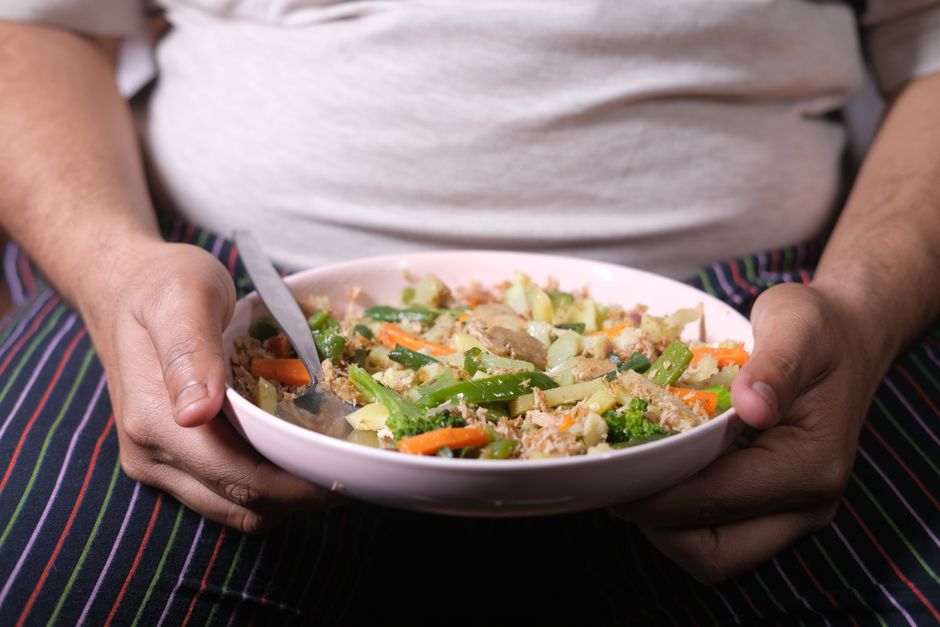
Diarrhea is your digestive system working in overdrive, pushing food through too quickly for your body to absorb water and nutrients. Certain foods make this worse by pulling more water into the gut, irritating the intestinal lining, or forcing the digestive tract to work harder. The foods most likely to prolong or worsen diarrhea are dairy products, greasy or fried foods, spicy dishes, sugar-free products containing sugar alcohols, and foods high in insoluble fiber like raw vegetables and whole grains.
What Not To Eat With Diarrhea Foods That Make It Worse
When you have diarrhea, your intestinal lining is already irritated and inflamed. The digestive enzymes that normally break down food may also be reduced. Eating foods that require more digestive effort or that stimulate the gut can make symptoms worse and extend the episode.
Foods that make diarrhea worse generally fall into five categories. Each affects the digestive system through a different mechanism. Knowing which foods to avoid matters as much as knowing which foods to eat.
Why Dairy Products Often Worsen Diarrhea
Milk, cheese, ice cream, and creamy sauces are common culprits. During a bout of diarrhea, the small intestine often produces less lactase, the enzyme needed to break down lactose. Without enough lactase, lactose travels undigested into the colon where bacteria ferment it. This fermentation produces gas and draws water into the bowel, making diarrhea worse.
Even people who normally digest dairy without problems may develop temporary lactose intolerance during or right after a diarrheal illness. This is well documented and usually resolves once the intestinal lining recovers. Yogurt with live cultures is sometimes better tolerated because the bacteria help break down lactose, but it is not guaranteed to be safe for everyone.
Butter and hard cheeses like cheddar contain less lactose than milk. Still, if your diarrhea is severe, it is wisest to avoid all dairy until symptoms improve.
Greasy and Fried Foods Put Extra Strain on Digestion
Fried chicken, french fries, pizza with heavy cheese, creamy sauces, and fatty cuts of meat all slow digestion in ways that can backfire. Fat stimulates the gallbladder to release bile, which acts as a laxative when the gut is already moving too fast. High-fat meals can also trigger what doctors call the gastrocolic reflex — a strong urge to have a bowel movement shortly after eating.
Your body may also have trouble absorbing fat during diarrhea. Undigested fat reaches the colon and is broken down by bacteria into compounds that stimulate fluid secretion. The result is more watery stools and more frequent trips to the bathroom.
Skip deep-fried foods, fast food, fatty cuts of steak, and anything cooked in large amounts of butter, oil, or lard. Broiling, baking, steaming, or boiling foods without added fat is safer.



Spicy Foods Irritate an Already Inflamed Gut
Capsaicin, the compound that makes chili peppers hot, binds to pain receptors in the digestive tract. When your intestinal lining is already inflamed from diarrhea, capsaicin can intensify cramping and speed up bowel movements. Spicy curries, hot sauces, chili powder, and peppers can all make symptoms noticeably worse.
Some research suggests that capsaicin also increases intestinal transit time — meaning food moves through the digestive system faster. Faster transit means less time for water absorption, which contributes to loose stools. If you regularly eat spicy food, you may tolerate mild spice, but during an active episode of diarrhea it is safest to choose bland options.
Sugar-Free Products Contain Sugar Alcohols That Cause Loose Stools
Sugar-free gum, candies, diet drinks, and protein bars often contain sugar alcohols such as sorbitol, mannitol, xylitol, and erythritol. These compounds are poorly absorbed in the small intestine. They remain in the colon where they draw water in through osmosis, producing loose stools.
This effect is so reliable that sugar alcohols are sometimes studied specifically for their laxative properties. For people with diarrhea, even small amounts of sorbitol or mannitol can significantly worsen symptoms. Check ingredient labels for any word ending in “-ol” and avoid those products until your digestion returns to normal.
High-Fiber Foods Can Make Diarrhea Worse Before It Gets Better
Fiber is not all the same. Soluble fiber absorbs water and helps firm stool. Insoluble fiber adds bulk and speeds up transit — the opposite of what you need during diarrhea.
Foods high in insoluble fiber include raw vegetables, corn, nuts, seeds, popcorn, and the skins of fruits and vegetables. Whole grains like bran cereal, brown rice, and whole wheat bread are also high in insoluble fiber. These foods can increase stool frequency and worsen the feeling of urgency.
During active diarrhea, choose low-fiber foods instead. White rice, white bread, refined pasta, and peeled cooked vegetables are easier on the digestive tract. Soluble fiber sources like oatmeal, bananas, and applesauce can be helpful once you can tolerate food again.
Artificial Sweeteners Beyond Sugar Alcohols Can Stimulate the Gut
Some artificial sweeteners, particularly those found in diet sodas and sugar-free desserts, may draw water into the intestines. Sucralose and saccharin are generally considered less problematic than sugar alcohols, but individual responses vary. If you notice that diet beverages worsen your diarrhea, they are worth avoiding even if the exact mechanism is not fully established.
Caffeine is a separate concern. Coffee, tea, cola, and energy drinks stimulate intestinal contractions. Caffeine also increases fluid secretion into the bowel. Both effects can worsen diarrhea. Decaffeinated options are safer, though even decaf coffee can stimulate the gut in some people.
What To Eat Instead During an Episode of Diarrhea
The BRAT diet — bananas, rice, applesauce, and toast — remains a reasonable starting point. These foods are low in fiber, bland, and generally well tolerated. Bananas also provide potassium, which can be lost through diarrhea.
Other safe options include:
- Plain crackers or pretzels
- Clear broths and soups
- Boiled or baked potatoes without the skin
- Plain white pasta or noodles
- Skinless chicken or turkey that is baked or boiled, not fried
- Well-cooked carrots or green beans
Oral rehydration solutions are important if diarrhea is frequent or watery. These contain water, salt, and sugar in specific proportions that help the intestine absorb fluids. Plain water alone may not be enough because diarrhea depletes electrolytes as well as fluid.
When Diarrhea Requires Medical Attention
Most episodes of diarrhea resolve within a few days without treatment. But certain signs warrant a call to a doctor. Diarrhea lasting more than two days in adults, blood or black tarry stools, high fever above 101°F, severe abdominal pain, or signs of dehydration all require medical evaluation.
Signs of dehydration include excessive thirst, dry mouth, dark urine, infrequent urination, dizziness, or weakness. Young children, older adults, and people with weakened immune systems are at higher risk of complications from diarrhea and should seek medical advice sooner.
If diarrhea continues beyond a few days despite dietary changes, a doctor may need to evaluate for infections, food intolerances, or underlying digestive conditions like irritable bowel syndrome or inflammatory bowel disease.
Frequently Asked Questions
Is it safe to eat bananas when I have diarrhea?
Yes, bananas are generally safe and recommended during diarrhea because they are low in insoluble fiber and provide potassium. Ripe bananas are easier to digest than unripe ones.
Can I drink coffee if I have diarrhea?
No, coffee contains caffeine which stimulates intestinal contractions and can worsen diarrhea. Even decaf coffee may trigger bowel movements in some people.
How long should I avoid dairy after diarrhea stops?
Most people can gradually reintroduce dairy within a few days after symptoms resolve. Temporary lactose intolerance usually improves as the intestinal lining heals, which typically takes about a week.
Are probiotic foods helpful during diarrhea?
Some evidence suggests probiotics may shorten the duration of certain types of diarrhea, but results vary by strain and cause. Yogurt with live cultures is sometimes tolerated, though dairy sensitivity may limit this option for some people.
