
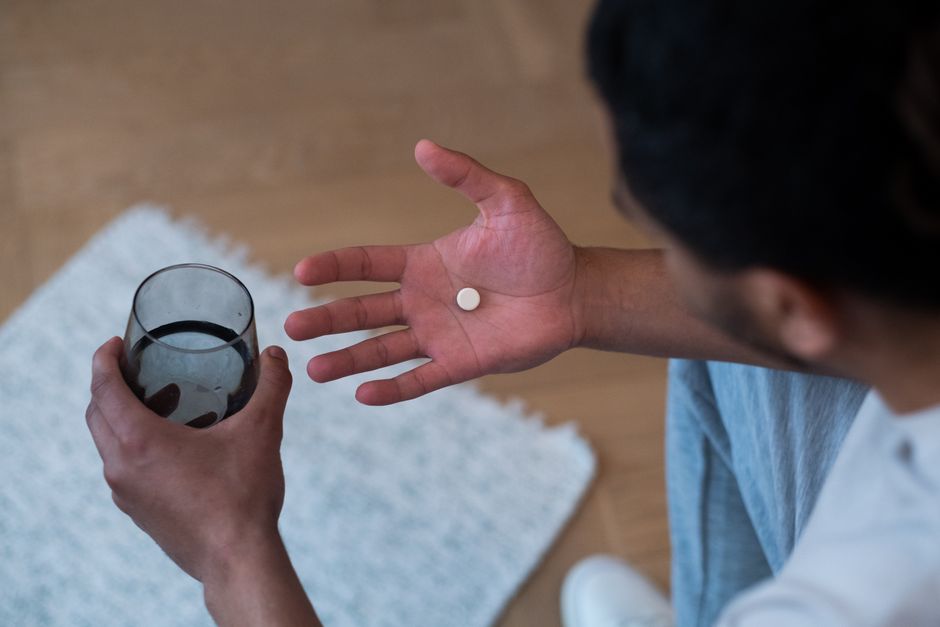
Tamoxifen is a hormone therapy taken by many people with hormone receptor-positive breast cancer, usually for five to ten years. The main food and drink to avoid is alcohol, because it can raise estrogen levels and add to liver strain. The most important drug interaction is with strong CYP2D6 inhibitors such as fluoxetine and paroxetine, which can reduce how well tamoxifen works — that is a medication issue, not a food one, but it matters more than most dietary questions.
Grapefruit is often flagged with tamoxifen, though the evidence is far weaker than for alcohol. Some clinicians advise limiting it; others do not. Below is what the evidence actually supports, what is uncertain, and what is marketing noise.
What Not To Eat Or Drink When Taking Tamoxifen?
The single most evidence-supported answer is alcohol. Tamoxifen is processed by the liver, and alcohol is also metabolized there. Regular drinking adds to that workload and, in people with hormone receptor-positive breast cancer, alcohol itself is associated with higher estrogen exposure.
Beyond alcohol, the list is shorter than most people expect. Tamoxifen does not come with a long list of forbidden foods the way warfarin or MAO inhibitors do. There is no established “tamoxifen diet” that requires eliminating whole food groups.
Three categories are worth understanding:
- Alcohol — the clearest concern, both for liver load and estrogen.
- Grapefruit and grapefruit juice — a theoretical interaction, but not well documented for tamoxifen specifically.
- High-dose supplements and herbal products — especially anything marketed for “hormone balance” or containing phytoestrogens in concentrated form.
That is roughly the whole list. Coffee, tea, dairy, soy foods, cruciferous vegetables, and most everyday foods do not require restriction on tamoxifen.
Why Is Alcohol the Main Thing to Limit?
Alcohol affects tamoxifen therapy through two separate routes. The first is liver metabolism. Tamoxifen is broken down primarily by liver enzymes in the cytochrome P450 family — mainly CYP3A4 and CYP2D6. Alcohol is also processed by the liver. Heavy or regular drinking can compete for that capacity and, over time, affect liver function.
Tamoxifen itself has a known association with fatty liver changes and, rarely, more serious liver effects. Clinicians often monitor liver enzymes in people on long-term tamoxifen. Adding regular alcohol on top of that is a reasonable thing to avoid.
The second route is hormonal. Alcohol intake is associated with higher circulating estrogen levels in some studies, and alcohol consumption is a recognized risk factor for hormone receptor-positive breast cancer. For someone taking a drug specifically designed to block estrogen signaling, regular drinking works against the goal.
What does “limit” mean in practice? There is no tamoxifen-specific alcohol guideline. General population guidance in the United States suggests that if you drink, moderation means up to one drink per day for women and up to two per day for men. Many oncologists advise less than that for people on tamoxifen, and some advise none. That is a conversation to have with your own clinician, because the right answer depends on your liver function, other medications, and personal history.
Does Grapefruit Really Interact With Tamoxifen?
Grapefruit is a well-documented inhibitor of an enzyme called CYP3A4 in the gut wall. That enzyme is involved in breaking down many drugs, and grapefruit genuinely does raise blood levels of some of them — certain statins, some blood pressure medications, and several others.
For tamoxifen specifically, the picture is less clear. Tamoxifen is metabolized partly by CYP3A4, so the theoretical concern exists. But the clinical evidence that grapefruit meaningfully changes tamoxifen levels or outcomes in people is thin. Some drug information sources list it as a precaution. Others do not list it at all.
The honest position: grapefruit is not a proven problem with tamoxifen the way it is with, say, simvastatin. If you drink grapefruit juice daily in large amounts, mention it to your oncologist or pharmacist. An occasional half grapefruit is unlikely to matter. The evidence here is limited, and no one should present it as a hard rule.
What About Soy, Flaxseed, and Phytoestrogen Foods?
This is where confusion runs highest. Soy foods contain isoflavones, which are plant compounds that can weakly bind estrogen receptors. Because tamoxifen works by blocking estrogen receptors in breast tissue, many people assume soy must be avoided.
That assumption is not supported by the evidence. Research in breast cancer survivors has generally not found that moderate soy food intake increases recurrence risk, and some studies suggest it may be neutral or modestly favorable. The American Institute for Cancer Research and other major bodies have stated that soy foods are safe for breast cancer survivors, including those on hormone therapy.
There is a meaningful distinction between soy foods and soy supplements. Tofu, edamame, tempeh, and soy milk are whole foods with modest isoflavone content. Concentrated isoflavone supplements can deliver doses many times higher. Those concentrated products have not been shown to be safe in breast cancer survivors, and they are best avoided or discussed with your clinician first.
The same principle applies to flaxseed. Ground flaxseed is a food. Flaxseed oil supplements and concentrated lignan capsules are not the same thing. Whole-food forms are generally considered fine; concentrated supplements are not well studied in this population.
Which Supplements Should You Be Careful With?
Supplement interactions with tamoxifen are a real concern, and the evidence base is uneven. A few categories deserve attention.
St. John’s wort is a well-documented inducer of CYP3A4 and other liver enzymes. It can lower blood levels of many drugs, and there is a plausible concern it could do the same with tamoxifen. This is not a supplement to take alongside tamoxifen without explicit clinician approval.
High-dose antioxidant supplements — particularly high-dose vitamin E and some others — have been studied in the context of cancer treatment with mixed and generally unconvincing results. Some clinicians advise against high-dose single antioxidants during active treatment because of theoretical concerns about interfering with treatment effects. The evidence is not strong either way, but the burden of proof sits with the supplement, not the drug.
Herbal blends marketed for “hormone balance” are a particular problem. These often contain undisclosed or poorly standardized plant estrogens. No clinical evidence confirms these are safe with tamoxifen, and some may contain compounds that interact with liver enzymes. The label “natural” tells you nothing about safety.
One clarification worth making: calcium and vitamin D supplements are commonly recommended for people on tamoxifen, because tamoxifen is associated with a small increase in risk of endometrial changes and because bone health matters in this population. These are not the supplements to worry about.
Does Caffeine or Dairy Matter?
No. Caffeine is not known to interact with tamoxifen in any clinically meaningful way. There is no established reason to give up coffee or tea on tamoxifen.
Dairy is similar. Some popular sources claim dairy is problematic for hormone receptor-positive breast cancer, but the evidence does not support that claim. Dairy does not contain meaningful amounts of estrogen that would affect tamoxifen therapy. If you tolerate dairy, there is no established reason to avoid it.
What does matter more than any of these is overall diet quality. A pattern rich in vegetables, fruits, whole grains, legumes, and adequate protein supports general health during long-term hormone therapy. That is not tamoxifen-specific — it is basic nutrition — but it is the part that actually has the strongest evidence behind it.
What About Drug Interactions That Are Not Food?
This is the part many people miss. The most significant interaction with tamoxifen is not a food at all — it is a class of antidepressants and a few other medications that block the enzyme CYP2D6.
Tamoxifen itself is a prodrug. It has to be converted by the liver — mainly through CYP2D6 — into its most active metabolite, endoxifen. Drugs that strongly inhibit CYP2D6 can reduce endoxifen levels substantially. The strongest inhibitors include fluoxetine (Prozac) and paroxetine (Paxil). Other moderate inhibitors include bupropion (Wellbutrin) and duloxetine (Cymbalta).
This does not mean these drugs are forbidden. It means the choice of antidepressant matters, and clinicians often select alternatives such as venlafaxine or escitalopram when an antidepressant is needed alongside tamoxifen. That decision belongs with your prescriber. But it is worth raising if you are started on a new medication.
Certain other drugs — including some acid reducers, rifampin, and carbamazepine — also affect tamoxifen metabolism. Your pharmacist is often the fastest route to a clear answer about any new prescription.
What Should You Actually Do?
Keep it simple. Limit alcohol, and discuss what “limit” means for you with your oncologist. Do not start concentrated soy isoflavone, flaxseed lignan, or “hormone balance” supplements without asking. Mention grapefruit if you eat it daily. Tell every prescriber and pharmacist that you take tamoxifen before starting anything new.
Beyond that, there is no long list of forbidden foods. Most people on tamoxifen can eat a normal, varied diet. The drug is taken for years, and the goal is a sustainable pattern — not a restrictive one built on interactions that were never well documented in the first place.
Frequently Asked Questions
Can I drink coffee while taking tamoxifen?
Yes. Caffeine is not known to interact with tamoxifen in any clinically meaningful way. There is no established reason to avoid coffee or tea.
Is it safe to eat soy foods on tamoxifen?
Moderate soy food intake is considered safe for breast cancer survivors on hormone therapy, based on major cancer organization guidance. Concentrated isoflavone supplements are a different matter and are not well studied in this group.
Can I drink alcohol occasionally on tamoxifen?
Occasional drinking is generally considered lower risk than regular drinking, but there is no tamoxifen-specific safe threshold. Ask your oncologist what is appropriate for your liver function and history.
Does grapefruit juice affect tamoxifen?
The interaction is theoretical and not well documented for tamoxifen specifically. Some drug references list it as a precaution; others do not. Mention daily grapefruit intake to your pharmacist.
