
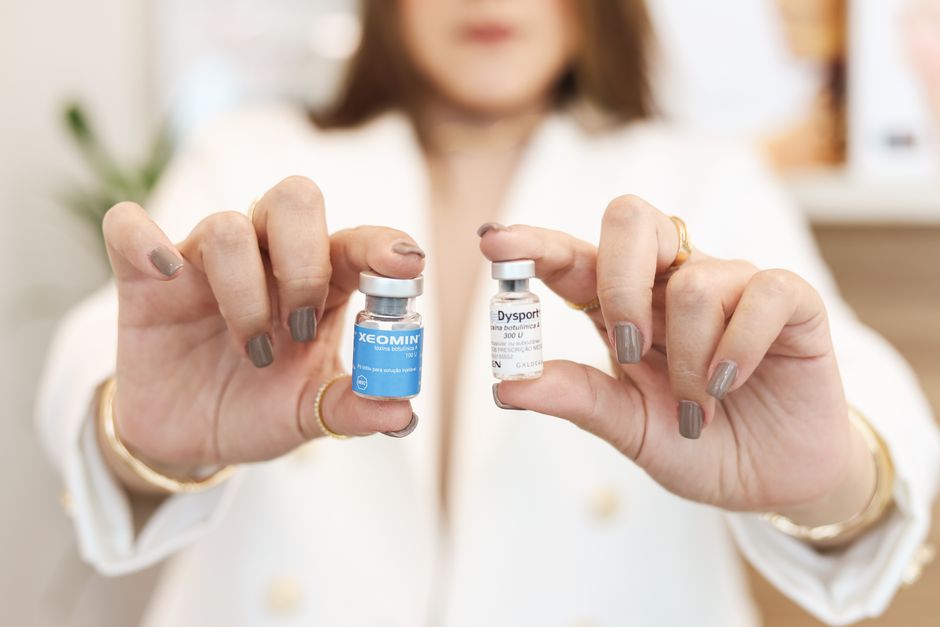
There is no single official list of foods and drinks to avoid before Botox, and major dermatology organizations do not publish a required pre-treatment diet. The practical guidance most clinicians give centers on two things: limiting alcohol for about 24 hours beforehand, and avoiding blood-thinning medications and supplements unless a prescribing doctor says otherwise. Certain foods and drinks get mentioned because of their effect on bleeding, swelling, or blood pressure — not because they interact with the botulinum toxin itself.
Does What You Eat Actually Affect Botox?
Food does not change how botulinum toxin works in your muscle. The toxin blocks nerve signals at the injection site, and nothing on your plate alters that mechanism.
What diet can influence is the injection experience itself. Alcohol and certain supplements can thin the blood, which may increase bruising at the needle sites. Very salty meals and caffeine can affect fluid balance and blood pressure. And some foods contain compounds that play a small role in blood clotting.
So the goal of pre-Botox dietary advice is not to protect the toxin. It is to reduce bruising, swelling, and the chance of a rough recovery. That distinction matters — it is why you will hear different advice from different clinics.
What Not To Eat Or Drink Before Botox Injections?
The items most consistently flagged are alcohol, high-dose fish oil, garlic and ginger supplements, and large amounts of caffeine. For most of these, the evidence is about bleeding and bruising risk, not about the Botox result.
Alcohol
Alcohol is the one most clinicians agree on. It can widen blood vessels and reduce platelet function, both of which raise the chance of bruising and swelling after injections. Many practices ask patients to skip alcohol for about 24 hours before treatment. That is a common clinical recommendation rather than a rigorously tested rule, but the reasoning is sound and the cost of following it is low.
Blood-thinning supplements
Fish oil, high-dose vitamin E, ginkgo, ginger, garlic, and ginseng are often listed because some evidence suggests they can affect clotting. This is where caution matters most: if you take a prescription blood thinner such as warfarin or a direct oral anticoagulant, never stop it on your own before a cosmetic procedure. That decision belongs to the doctor who prescribed it. For over-the-counter supplements, ask your injector whether they want you to pause them, and how long before.
Caffeine
Coffee and energy drinks are sometimes discouraged on treatment day. The concern is mild — caffeine can raise blood pressure slightly and may make some people jittery, which does not help a steady hand or a calm appointment. There is no strong evidence that a normal morning coffee causes problems. If your clinic asks you to skip it, it is a comfort measure more than a medical necessity.
Salty foods
Very salty meals can promote fluid retention, which some clinicians believe may worsen post-injection puffiness. This is plausible but not well studied. Cutting back on chips and processed food the day before is harmless advice, not a proven requirement.
What About Medications and Supplements?
Medications matter more than food here, and they deserve their own conversation with your injector. Aspirin, ibuprofen, naproxen, and other NSAIDs can increase bruising. So can some herbal supplements.
Do not stop a prescribed medication without talking to the doctor who prescribed it. Aspirin, for example, is often taken for heart protection, and stopping it carries its own risks that can outweigh a bruise. Your injector and your prescribing doctor should be told what you take.
Common items patients are asked about:
- Aspirin and NSAIDs like ibuprofen — may increase bruising
- Fish oil and high-dose vitamin E — may affect clotting
- Ginkgo, garlic, ginger, and ginseng supplements — may affect clotting
- Prescription blood thinners — never adjust without your doctor
The honest position: the evidence that these cause meaningful bruising after Botox is limited and largely based on how they affect clotting in general, not on Botox-specific trials. Most clinics still ask about them because the downside of a bruise is real and the effort of pausing a supplement is small.
Should You Avoid Smoking and Vaping?
Smoking is worth mentioning because it affects blood flow and skin healing. Nicotine narrows blood vessels, which can slow healing and may increase complication risk after any injection. Many clinicians advise avoiding smoking around treatment. The direct link to Botox outcomes is not well established, but the general healing concern is.
This is one area where the advice is reasonable even without Botox-specific studies. If you smoke, tell your injector. They can advise you based on your situation.
Does Diet Affect Botox Results or Duration?
No good evidence shows that food changes how long Botox lasts. Duration depends mainly on the product used, the dose, the treatment area, and how your body metabolizes the toxin. Typical results last around three to four months, though this varies by person and site.
Diet can affect how you feel and look in the days after treatment — hydration, salt intake, and alcohol can influence puffiness and bruising — but it does not change the toxin’s effect on the muscle. Be skeptical of any claim that a specific food extends Botox results. No clinical evidence currently confirms that.
What Should You Do the Day Before and Day Of?
Keep it simple and follow your injector’s instructions, which may differ from general advice. A reasonable approach many clinics suggest:
- Avoid alcohol for about 24 hours before treatment
- Ask whether to pause fish oil, vitamin E, and herbal supplements
- Tell your injector about all medications, especially blood thinners
- Eat a normal meal — there is no need to fast
- Stay hydrated, but do not overdo caffeine if it makes you jittery
- Avoid heavy salty meals if you tend to swell
Do not fast before Botox. There is no medical reason to skip food, and going in hungry and lightheaded does not help. If a clinic tells you to fast, ask why — it is not standard.
One clarification worth knowing: Botox injections are a brief in-office procedure, not surgery. The elaborate pre-procedure diets you see online are often borrowed from surgical prep advice and do not map cleanly onto a five-minute injection appointment.
When to Ask Before You Assume
If you are pregnant, breastfeeding, or managing a bleeding disorder, the guidance is different and less settled. No clinical guidelines specifically address pre-Botox diet for these groups, and Botox itself is generally not recommended during pregnancy or breastfeeding. Talk to your doctor rather than relying on general internet advice.
The same goes for anyone on prescription anticoagulants or with a history of easy bruising or bleeding. Your injector needs that information, and your prescribing doctor should be part of the decision about any medication changes.
The bottom line: there is no strict forbidden-foods list for Botox. The sensible approach is to limit alcohol, be honest about medications and supplements, and follow your clinic’s specific instructions. Everything else is fine-tuning.
Frequently Asked Questions
Can I drink coffee before Botox?
Yes, a normal coffee is generally fine. Some clinics suggest skipping it on treatment day because caffeine can raise blood pressure slightly and make some people jittery, but there is no strong evidence it causes problems.
How long before Botox should I stop drinking alcohol?
Many clinics ask patients to avoid alcohol for about 24 hours before treatment. This is a common recommendation aimed at reducing bruising and swelling, not a rigorously tested rule.
Do I need to fast before Botox injections?
No. There is no medical reason to fast before Botox, and eating a normal meal is fine. If a clinic tells you to fast, ask why, because it is not standard practice.
Can I take ibuprofen before Botox?
Ibuprofen and other NSAIDs may increase bruising, so many injectors ask patients to avoid them for a few days beforehand. Never stop a prescribed medication without checking with the doctor who prescribed it.
