
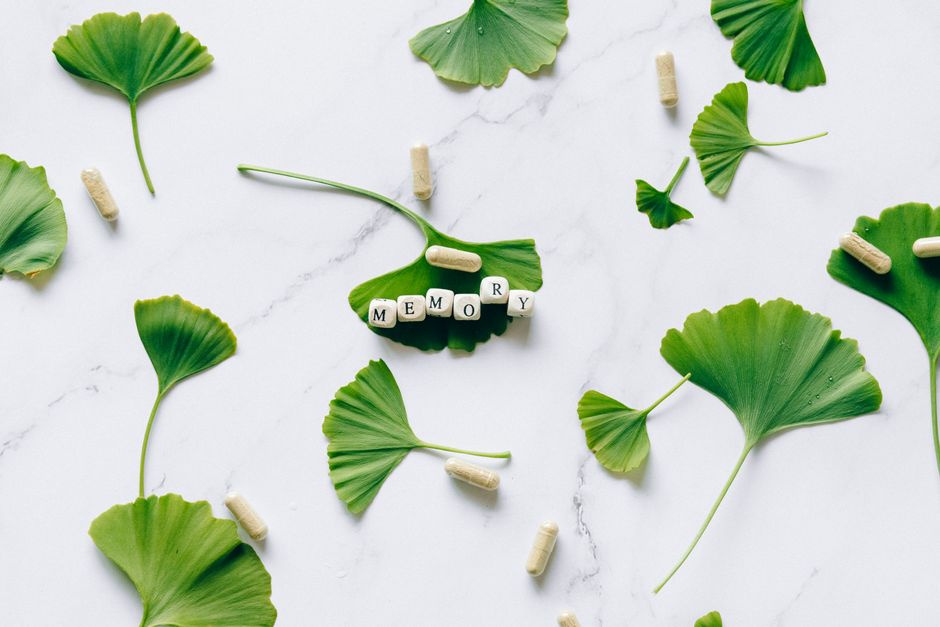
No natural supplement has been proven to reverse memory loss. The strongest evidence for memory support points to two things: correcting a genuine nutrient deficiency, and managing the conditions that damage the brain over time, like high blood pressure and poor sleep. A handful of supplements have modest, mixed evidence behind them. Most of the popular ones do not.
That gap between what the evidence shows and what the market promises is the whole story here. This article walks through the supplements with real research behind them, the ones that have failed in trials, and the reasons memory changes in the first place.
What Natural Supplements Help With Memory Loss?
The honest answer is that the evidence is thin for almost every supplement sold for memory. A few have small, inconsistent signals. None come close to the effect of treating an underlying cause.
Here is where the research actually stands on the main contenders:
- Omega-3 fatty acids (fish oil): Some studies suggest benefit for people with low baseline omega-3 levels. Large trials in healthy older adults have mostly failed to show memory improvement.
- Vitamin B12 and folate: Meaningful only if you are deficient. Correcting a deficiency can improve symptoms. Taking them when levels are normal has not been shown to help memory.
- Vitamin D: Low levels are associated with cognitive decline, but trials of supplementation in people with adequate levels have not shown memory benefit.
- Ginkgo biloba: One of the most studied supplements for memory. Large, well-designed trials found no benefit for preventing dementia or improving memory in healthy adults.
- Curcumin (turmeric extract): Early small trials show some signals. The evidence is not strong enough to recommend it.
- Phosphatidylserine: Some small studies suggest modest effects. Results vary and larger trials are lacking.
Notice the pattern. The supplements with any signal tend to involve people who were deficient in something. The ones tested in well-nourished adults mostly disappoint.
Why Nutrient Deficiencies Matter More Than Any Single Supplement
Your brain is metabolically expensive. It uses about 20 percent of your body’s energy at rest, and it needs specific nutrients to run that machinery. When one is genuinely missing, cognition can suffer.
Vitamin B12 is the clearest example. It is required for myelin, the fatty sheath that insulates nerve fibers. Severe B12 deficiency can cause memory problems, confusion, and nerve damage. The symptoms can look like early dementia. Correcting the deficiency often improves them, especially if caught early.
Folate and vitamin D deficiencies are also linked to cognitive symptoms. Iron deficiency can cause fatigue and poor concentration that mimic memory trouble.
Here is the part most supplement marketing skips. If your blood levels are normal, adding more of these nutrients does not boost memory. The brain does not run better on surplus B12 than on adequate B12. The benefit comes from fixing a shortfall, not from topping up.
That is why a blood test matters more than a supplement aisle. If you are concerned about memory, asking a doctor to check B12, folate, vitamin D, and thyroid function is a reasonable first step. These are common, treatable causes of cognitive symptoms.
Does Fish Oil Actually Improve Memory?
Fish oil is the most popular memory supplement in the US. The evidence is more complicated than the marketing suggests.
Omega-3 fatty acids, particularly DHA, are structurally important in the brain. DHA makes up a large share of the fatty acids in brain cell membranes. That biology is real and well established.
But biological importance is not the same as proven benefit from a pill. Several large, long-term trials in healthy older adults found that omega-3 supplementation did not meaningfully improve memory or slow cognitive decline. The results were largely disappointing.
Some research suggests subgroups may benefit, particularly people with low dietary omega-3 intake or low blood levels at the start. That is a plausible finding, but it does not support routine supplementation for everyone.
Eating fish remains a reasonable choice. Whether fish oil capsules do what fish does is a separate question, and the trials have not answered it favorably for memory.





What About Ginkgo, Curcumin, and Other Popular Options?
Ginkgo biloba has been studied more than almost any other supplement for memory. The largest trials tested it in thousands of older adults over years. It did not prevent dementia, and it did not improve memory in healthy people.
Curcumin has attracted interest because of anti-inflammatory properties observed in laboratory studies. A few small human trials have shown signals, but they are short, small, and inconsistent. No large trial has confirmed a memory benefit. Curcumin supplements also vary widely in quality and absorption.
Phosphatidylserine is a component of cell membranes. Some small studies, including older ones, suggested modest effects on memory and cognition. The evidence is not strong, and larger, well-controlled trials are lacking.
Other options like acetyl-L-carnitine, huperzine A, and various herbal blends have even thinner evidence. Some carry real safety concerns. Huperzine A, for example, affects the same brain chemistry as certain Alzheimer’s drugs and can interact with medications.
None of these are proven to help with memory loss. If a product claims otherwise, the claim is not supported by the evidence.
Can Supplements Prevent Memory Loss or Dementia?
No supplement has been shown to prevent dementia. That is the conclusion of major reviews of the evidence, and it has held up across many trials.
This is worth sitting with. Dementia is not caused by a simple nutrient shortage in most cases. It involves complex processes like protein buildup in the brain, vascular damage, and inflammation. A single pill is unlikely to interrupt all of that.
What does have evidence behind it is managing risk factors. High blood pressure, especially in midlife, is one of the most consistently identified modifiable risk factors for cognitive decline. So are smoking, diabetes, physical inactivity, hearing loss, and social isolation.
That list is not as easy to sell as a bottle of capsules. But it is where the evidence actually points.
Which Supplements Are Risky or a Waste of Money?
Most memory supplements are not dangerous, but some carry real risks and many are simply ineffective.
Ginkgo can increase bleeding risk and interact with blood thinners. Huperzine A can cause nausea, diarrhea, and interact with prescription medications. High-dose vitamin E has been linked to increased bleeding risk and, in some studies, higher mortality. Some herbal products have been found to contain contaminants or to differ from what the label states.
Supplements are loosely regulated in the US. They are not required to prove effectiveness before sale. That means the burden falls on you to check the evidence, and the evidence for most memory products is weak.
If you take a supplement, tell your doctor. This matters most if you take prescription medications, have a chronic condition, are pregnant or breastfeeding, or are preparing for surgery. For pregnancy and breastfeeding specifically, there are no established clinical guidelines for memory supplements, and the safest approach is to follow your doctor’s advice rather than a product label.
What Actually Supports Memory as You Age?
The things with the strongest evidence for protecting memory are not sold in bottles. They are habits.
Regular physical activity is among the best-supported. Exercise improves blood flow to the brain and is linked to lower dementia risk in observational studies. Aerobic exercise in particular has been studied for its effects on memory and brain structure.
Managing blood pressure matters, especially in midlife. So does protecting your hearing, staying socially connected, and getting enough sleep. Sleep is when the brain consolidates memories, and chronic poor sleep is linked to cognitive problems.
A diet rich in vegetables, fruits, whole grains, fish, and healthy fats is associated with better cognitive outcomes. This is the pattern behind the Mediterranean-style diets studied for brain health.
None of this is a guarantee. Memory changes with age for reasons we do not fully control. But these factors are where the evidence is strongest, and they cost far less than a cabinet full of supplements.
One clarification worth making: memory lapses are common and usually normal, especially as you get older. Forgetting a name and recalling it later is different from getting lost in a familiar place or repeating the same question within minutes. Sudden or worsening memory problems deserve a medical evaluation, not a supplement.
Frequently Asked Questions
What is the best natural supplement for memory?
There is no single best supplement, because none is proven to improve memory in healthy adults. The most meaningful step is correcting a diagnosed deficiency, such as low vitamin B12 or vitamin D, under a doctor’s guidance.
Does ginkgo biloba really help memory?
Large, well-designed trials found that ginkgo did not improve memory in healthy adults or prevent dementia. It can also increase bleeding risk and interact with blood thinners.
Can fish oil improve memory?
Large trials in healthy older adults have mostly shown no meaningful memory benefit from fish oil. Some research suggests possible benefit for people with low omega-3 levels, but this is not established.
Should I take a supplement if I am worried about memory loss?
Talk to a doctor first, because memory symptoms can have treatable causes like vitamin deficiencies, thyroid problems, or medication side effects. A supplement is not a substitute for that evaluation.
