
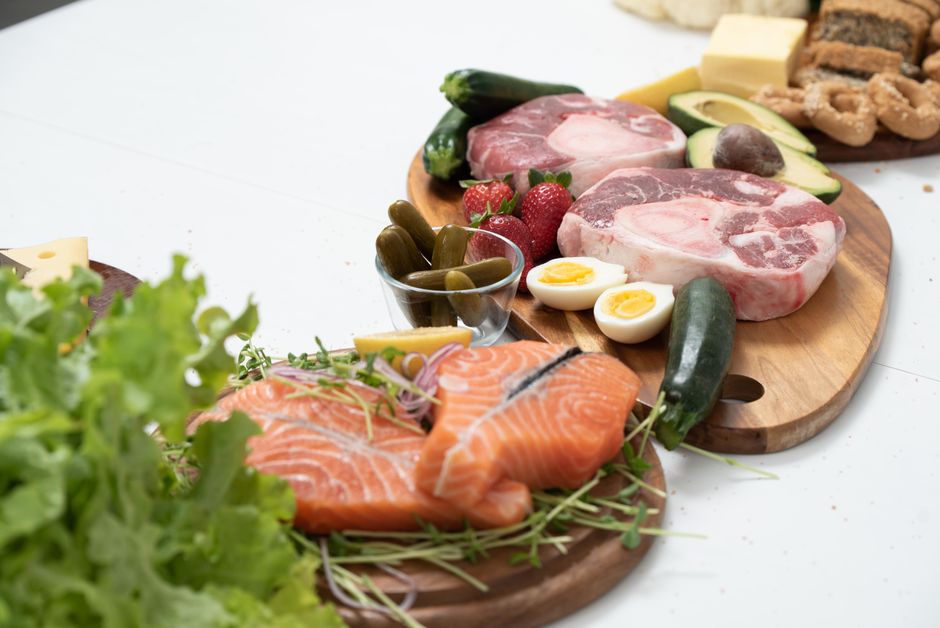
Almost all fresh meat contains zero carbohydrates. Beef, pork, chicken, turkey, lamb, and plain fish are all carb-free before anything is added to them. The traps are not in the meat itself. They hide in marinades, breading, glazes, and “seasoned” or “flavored” products that can carry several grams of carbs per serving without looking like it.
If you are eating low-carb or zero-carb, the safest picks are plain cuts you cook yourself. The riskiest are processed meats and anything sold pre-seasoned, pre-breaded, or pre-glazed. Knowing which is which takes about two minutes of label-reading skill.
What Meats Are Low In Carbs Zero Carb Picks Traps?
Fresh, unprocessed meat is essentially carbohydrate-free. That covers beef, pork, lamb, veal, chicken, turkey, duck, and most fish and shellfish. A plain chicken breast or a beef steak has effectively zero grams of carbohydrate.
This is basic animal physiology. Muscle tissue is built from protein and fat, with water and minerals. Carbohydrate is stored in muscle as glycogen, but the amount is tiny and drops further after slaughter as the meat ages. For practical purposes, it does not register on a nutrition label.
Here is the non-obvious part. The U.S. nutrition label rounds carbohydrate down to zero when a serving contains less than 0.5 grams. So “0g carbs” on a meat label usually means “close enough to zero that it doesn’t matter,” not “measured at absolute zero.” For anyone eating low-carb, that distinction does not change anything. It only matters if you are stacking dozens of near-zero foods in a day.
Where carbs actually enter the picture:
- Breading and coating. Breaded chicken, fish sticks, and nuggets carry flour. This is the single biggest carb source in “meat” products.
- Marinades and glazes. Teriyaki, honey, barbecue, and many “flavor-injected” products contain sugar.
- Seasoned and flavored deli meats. Some contain added sugar, dextrose, or maltodextrin.
- Sausages and processed meats. Fillers, binders, and sweeteners can add carbs.
- Meatballs and patties. Breadcrumbs and binders are common.
Which Fresh Meats Have Effectively Zero Carbs?
The plainest cuts are the cleanest picks. If you buy a cut of meat and cook it without adding anything containing sugar or starch, you are eating a zero-carb food.
Reliable zero-carb picks include:
- Beef steaks, roasts, and ground beef (check the label on pre-formed patties)
- Pork chops, roasts, and plain ground pork
- Chicken and turkey, whole or in cuts, skin-on or skinless
- Lamb, veal, and goat
- Fresh fish and shellfish, plain
- Duck, rabbit, and game meats
Organ meats such as liver and heart are also essentially carb-free. So is plain bacon, though it is high in sodium and often contains added sugar in small amounts.
One clarification worth making. “Zero carb” and “low carb” are not the same as “healthy” or “balanced.” Meat provides no fiber and no vitamin C. A diet built entirely on meat can meet protein and fat needs but requires attention to other nutrients. That is a separate conversation from carb counting, but it matters.
Which Meats Are Higher In Carbs Than People Expect?
Processed and prepared meats are where carb counts climb. A plain pork chop and a maple-glazed sausage link are both “pork,” but they are not the same food.
Watch these categories:
- Breaded products. Chicken nuggets, fish sticks, and breaded cutlets can carry meaningful carbs per serving from the flour coating alone.
- Sausages and hot dogs. Many contain fillers, dextrose, or corn syrup. Carb counts vary widely by brand.
- Deli and sliced meats. Honey ham, maple turkey, and some “oven-roasted” varieties contain added sugar.
- Marinated and injected meats. “Self-basting” turkeys and pre-marinated cuts often contain sugar solutions.
- Meatballs, patties, and loaves. Breadcrumbs and binders add carbs.
- Jerky and meat snacks. Almost always sweetened. Some carry substantial sugar per serving.
The pattern is consistent. The more a meat has been handled, flavored, or formed into a shape, the more likely it carries carbs. Whole cuts you cook yourself stay near zero.





How Do You Read a Meat Label for Hidden Carbs?
Read the ingredient list before the nutrition panel. Ingredients are listed by weight, so sugar appearing early is a red flag. Sugar near the end of a long list contributes little.
Look for these terms, which all signal added carbohydrate:
- Sugar, dextrose, maltodextrin, corn syrup solids
- Honey, maple, molasses
- Modified food starch, potato starch, rice flour
- Breadcrumbs, wheat flour, cracker meal
- Fruit juice concentrate (used as a sweetener)
Then check the nutrition panel. Total carbohydrate per serving is what counts. A product labeled “0g carbs” per serving can still contain up to 0.5 grams per serving under U.S. labeling rules. If a serving size is small and you eat several, that can add up.
One practical note. “No sugar added” is not the same as “no carbs.” A product can contain naturally occurring sugars or starch-based ingredients without any sugar being added. The ingredient list and the total carbohydrate line together tell the real story.
Are Processed Meats a Problem Beyond Carbs?
Yes, and this is worth stating plainly. Processed meats are classified as carcinogenic to humans by the International Agency for Research on Cancer, based on strong evidence linking them to colorectal cancer risk. That classification is about cancer risk, not carbs.
This does not mean an occasional hot dog is dangerous. It means frequent, high intake of processed meat carries a documented risk that plain fresh meat does not. If you are choosing meats for health reasons, fresh cuts are the better default on both carb count and long-term risk.
Carb count and health are two separate questions. A processed meat can be low in carbs and still not be a food to build a diet around.
What About Fish, Eggs, and Other Proteins?
Plain fish and shellfish are carb-free, just like fresh meat. Canned fish packed in water or oil is also essentially zero-carb. Check flavored or sauced canned products, which can contain added sugar or starch.
Eggs contain a very small amount of carbohydrate, well under a gram per egg, which rounds to zero on most labels. For anyone eating low-carb, eggs function as a zero-carb food in practice.
Cheese is low in carbs but not always zero. Most hard cheeses contain under a gram per serving, while processed cheese products and some soft cheeses can carry more. Check the label if you are counting closely.
The same principle applies across the board. The plainer the food, the closer to zero it sits. The more it has been flavored, formed, or packaged with sauces, the more you need to read the label.
Frequently Asked Questions
Is all fresh meat zero carb?
Yes, fresh unprocessed meat is effectively carb-free before anything is added to it. Beef, pork, chicken, turkey, lamb, and plain fish all contain essentially zero grams of carbohydrate.
Does bacon have carbs?
Plain bacon is close to zero carbs, but many brands contain a small amount of added sugar. Check the ingredient list and the total carbohydrate line on the label.
Are deli meats low in carbs?
Some are, but many contain added sugar or dextrose, especially honey ham and maple turkey. Plain roasted deli meats are usually lower than sweetened or flavored varieties.
Why does a meat label say 0g carbs when it might contain a little?
U.S. labeling rules allow a product to show 0 grams of carbohydrate when a serving contains less than 0.5 grams. For low-carb eating, this difference is negligible in practice.
