
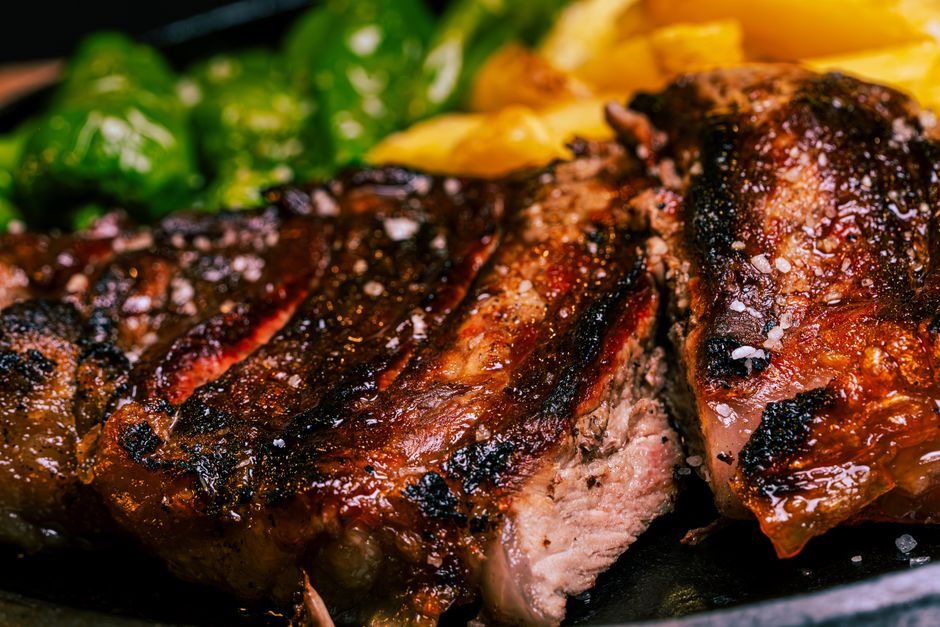
Organ meats sit at the top of the nutrient density list, with liver leading by a wide margin. Beef liver delivers more vitamin A, vitamin B12, copper, and iron per ounce than any muscle meat. After organ meats, the ranking moves through shellfish, then fatty fish, then red muscle meats like beef and lamb, then pork, poultry, and finally lean white fish. The gaps between these groups are large, not minor.
This ranking reflects nutrient density — how much of a range of essential nutrients a food delivers per calorie or per ounce. It does not rank taste, cost, or how often you should eat each one. Some of the most nutrient-dense meats are also the ones health agencies suggest limiting. That tension is real and worth understanding.
What Meat Has The Most Nutrients Ranked?
Nutrient density is measured by comparing the vitamins and minerals a food provides against its calorie load. By that standard, organ meats dominate.
| Rank | Meat | Standout Nutrients |
|---|---|---|
| 1 | Beef liver | Vitamin A, B12, copper, iron, folate |
| 2 | Other organ meats (kidney, heart) | B12, iron, selenium, B vitamins |
| 3 | Oysters and shellfish | Zinc, B12, iron, selenium |
| 4 | Fatty fish (salmon, mackerel, sardines) | Omega-3 fats, vitamin D, B12, selenium |
| 5 | Beef and lamb | Iron, zinc, B12, complete protein |
| 6 | Pork | Thiamine, B12, zinc, selenium |
| 7 | Poultry (chicken, turkey) | Protein, niacin, B6, selenium |
| 8 | Lean white fish | Protein, selenium, B12 (lower in iron and zinc) |
A single 3-ounce serving of beef liver provides well over 100% of the daily value for vitamin A, vitamin B12, and copper for most adults. No muscle meat comes close to that concentration. The ranking is not close at the top.
Why Are Organ Meats So Much More Nutrient-Dense?
Organs are metabolically active tissue. They run constant chemical reactions that require dense stores of vitamins and minerals. Muscle tissue, by contrast, is built mainly for movement and stores far fewer micronutrients.
The liver is the body’s processing and storage center. It holds reserves of vitamin A, B12, copper, and iron because it manages those nutrients for the whole body. When you eat liver, you are eating the storage depot itself.
Heart is a muscle, but it works without rest. It is packed with mitochondria and therefore rich in B vitamins, iron, and selenium. Kidney and other organs fall somewhere between liver and muscle in density.
This is why organ meats rank first. It is not marketing. It reflects basic physiology.
Are Oysters Really More Nutrient-Dense Than Beef?
For certain nutrients, yes. Oysters are the single best food source of zinc. A small serving can provide several times the daily requirement. They also deliver substantial B12, iron, and selenium with very few calories.
Beef is a strong source of zinc too, but oysters concentrate far more of it per calorie. If zinc is the measure, oysters win. If vitamin A and copper are the measure, liver wins.
This is why the ranking depends on which nutrients you weigh. There is no single perfect score. But across the broadest range of essential nutrients, liver still comes out ahead, and oysters are close behind.





How Do Fatty Fish and Red Meat Compare?
Fatty fish and red meat each bring nutrients the other lacks. Salmon, mackerel, and sardines are the leading food sources of long-chain omega-3 fats and vitamin D. Beef and lamb are stronger sources of iron, zinc, and B12.
Red meat contains heme iron, a form the body absorbs more easily than the non-heme iron found in plants. That makes red meat useful for people at risk of iron deficiency. The same applies to organ meats, which are even richer in heme iron.
Both categories are nutrient-dense. The difference is which nutrients matter most for a given person. There is no universal winner between them.
Does Cooking Affect the Nutrient Content of Meat?
Cooking changes nutrient levels, but the effect varies by nutrient and method. B vitamins are water-soluble and heat-sensitive. Boiling meat can leach B vitamins into the cooking water, and prolonged high heat can break some of them down.
Minerals like iron, zinc, and copper are more stable. They are not destroyed by heat. They can, however, leach into cooking liquid, which matters if you discard that liquid.
Gentler methods — roasting, steaming, or cooking to a safe internal temperature without overcooking — tend to preserve more B vitamins than deep frying or long boiling. Vitamin A in liver is relatively stable under normal cooking.
The bigger point: cooking method affects nutrient retention at the margins. It does not change the overall ranking. Liver cooked any reasonable way still beats a chicken breast.
Is More Nutrient-Dense Always Better?
No. Nutrient density is one measure among several, and it does not capture everything that matters for health.
Liver is extremely high in preformed vitamin A. Regularly eating large amounts can lead to vitamin A toxicity, because the body stores the excess rather than excreting it. This is a genuine concern, and it is why many health agencies advise limiting liver, especially during pregnancy, when excess vitamin A can harm a developing fetus. Pregnant women are generally advised to avoid liver and liver products.
Red meat and processed meat are also linked to higher risk of certain cancers in large observational studies. That does not make them nutrient-poor. It means the nutrients come packaged with risks that vary by type and amount.
Nutrient density tells you what a food delivers. It does not tell you how much to eat or how often. Those are separate questions, and they depend on your overall diet and health.
Which Meats Are Best for Specific Nutrients?
If you are targeting a specific nutrient, the ranking shifts. Here is where each meat is strongest.
- Vitamin A and copper: beef liver, by a large margin
- Zinc: oysters, then beef and lamb
- Heme iron: liver and red meat
- Vitamin B12: liver, shellfish, and red meat
- Omega-3 fats: fatty fish like salmon and sardines
- Vitamin D: fatty fish
- Thiamine: pork
- Selenium: most meats, with organ meats and fish among the highest
For someone with iron deficiency, red meat and liver are the most efficient sources. For someone focused on omega-3s and vitamin D, fatty fish leads. For general protein with a wide spread of B vitamins, poultry and pork do well.
The best choice depends on what your diet is missing. There is no single meat that covers every need at once.
What About the Nutrients in Lean White Fish?
Lean white fish like cod, tilapia, and haddock rank lower on density, but that is not a flaw. They are excellent sources of high-quality protein with very little fat and few calories.
They also provide selenium and B12. What they lack compared to red meat is iron and zinc. Compared to fatty fish, they lack omega-3 fats.
For people watching calories or saturated fat, lean white fish is a smart choice. It simply does not deliver the same mineral punch as the meats at the top of the list. Lower density is not the same as low value.
Does the Ranking Change for Different Diets?
The ranking is based on what each meat contains. It does not change based on who is eating it, but its usefulness does.
Someone who eats a varied diet with plenty of plants may not need the extreme density of liver. Someone who avoids red meat entirely will need to get iron, zinc, and B12 from other sources, which is possible but requires attention.
Vitamin B12 is found naturally almost only in animal foods. People who eat no animal products need a reliable B12 source, which usually means fortified foods or supplements. This is a well-established point, not a matter of debate.
Nutrient density is a tool, not a rule. It helps you see what a food offers. What you do with that information depends on your own diet, health, and circumstances.
Frequently Asked Questions
What meat has the most nutrients?
Beef liver is the most nutrient-dense meat, delivering large amounts of vitamin A, vitamin B12, copper, and iron per serving. Oysters and other organ meats rank close behind.
Is liver healthier than beef?
Liver is far more nutrient-dense than beef muscle meat, but it is also very high in preformed vitamin A, which can build up to toxic levels if eaten often. Beef is lower in vitamin A and safer to eat regularly.
Which meat has the most zinc?
Oysters contain more zinc per serving than any other meat or food. Beef and lamb are also strong sources, though lower than oysters.
Is chicken as nutritious as beef?
Chicken is a good source of protein, niacin, and B6, but it has less iron, zinc, and B12 than beef. Beef is more nutrient-dense overall, especially for minerals.
