
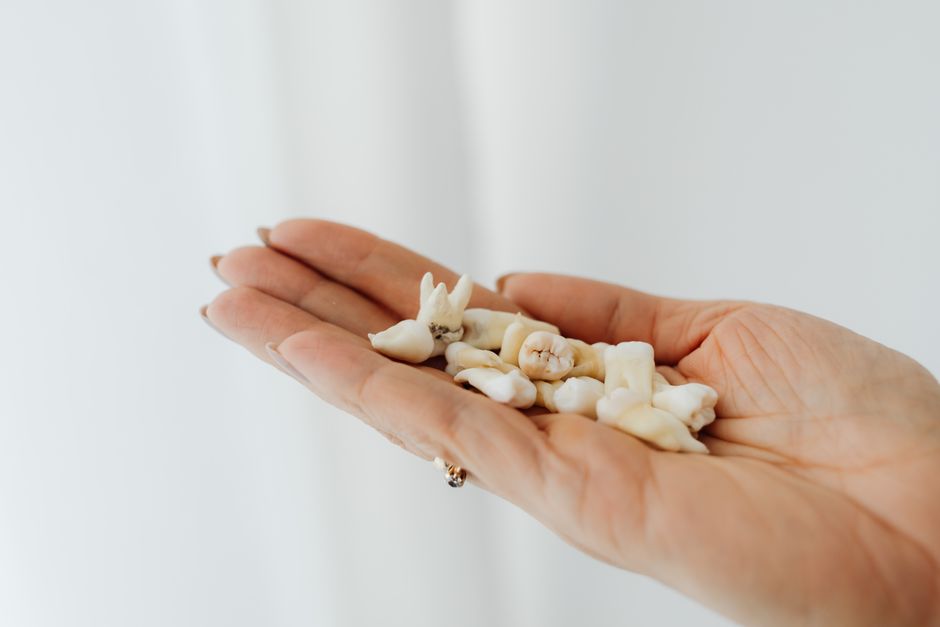
What Meat Can I Eat After Tooth Extraction in the First 24 Hours?
In the first day, you want zero chewing. Your mouth is numb, and the blood clot is fresh and fragile. The only meat-like item that is safe here is smooth, room-temperature bone broth. It is not a solid meat, but it provides protein and minerals without any risk. Do not eat any solid meat, even if it seems soft.
Some people report eating scrambled eggs or very soft fish like flaked tuna during this period. While these are common suggestions, the safest medical advice from sources like the American Dental Association is to stick to liquids and semi-liquids only for the first 24 hours. Solid food of any kind can disturb the surgical site. If you are hungry, focus on yogurt, applesauce, or protein shakes. Your body is healing and needs fuel, but chewing is not required yet.
What Soft Meats Are Safe After the First 48 Hours?
Once the initial 48 hours pass, you can introduce very soft meats that require almost no chewing. The key is that the meat must be able to be broken apart with your tongue against the roof of your mouth. You should never need to use your back teeth.
Safe options include finely shredded chicken or turkey mixed into a smooth puree or gravy. You can also eat very well-cooked, flaked fish like salmon or cod that easily falls apart. Another option is soft, ground meat like finely minced beef or turkey that has been cooked until very tender and mixed into a soft food like mashed potatoes or creamy soup. The texture must be uniform with no hard or crunchy bits. Always eat these foods at room temperature or cool, not hot, to avoid irritating the extraction site.
Which Meats Should You Absolutely Avoid After Extraction?
There are several meats that can cause serious problems after an extraction. The main issue is that they can get stuck in the socket or require chewing that stresses the area. Avoid all of these until your dentist or oral surgeon confirms your socket has healed enough.
Tough or chewy meats like steak, pork chops, or roast beef are out. Biting into them can dislodge the clot. Crunchy or crusted meats like fried chicken, bacon, or any meat with a breaded coating are also dangerous. The small, hard crumbs can get into the socket and cause infection. Dry or stringy meats like jerky, deli meat, or pulled pork that has not been shredded finely can get stuck in the wound. Spicy or acidic meats like heavily seasoned sausages or meat marinated in citrus can irritate the sensitive tissue. Stick to bland, soft, and moist options only.
| Safe Meats (After 48 hours) | Unsafe Meats (Avoid for 1-2 weeks) |
|---|---|
| Finely shredded chicken in gravy | Steak or any tough beef cuts |
| Flaked, well-cooked fish (salmon, cod) | Fried chicken or breaded meat |
| Very soft ground meat in purees | Bacon or jerky |
| Bone broth (any time) | Pork chops or roast beef |
| Meat baby food (if tolerated) | Spicy sausages or heavily seasoned meat |

How Should You Prepare Meat to Make It Safe After Extraction?
Even safe meats can become dangerous if you prepare them wrong. The way you cook and serve the meat matters as much as the type of meat. The goal is to make it soft, moist, and easy to swallow without any effort.
Cook meats until they are very tender. For chicken or turkey, this means boiling or slow-cooking until it falls apart. Then shred it finely with two forks. For fish, bake or poach it until it flakes easily with a fork. Never fry or grill meats that require you to cut them with a knife. After cooking, mix the meat into a sauce, gravy, or broth to make it moist. Dry meat can stick to the socket. You can also blend cooked meat with broth to create a smooth puree. This is the safest option if you have multiple extractions or are worried about chewing.
What Does Research on Eating Meat After Tooth Extraction Show?
Research published in the Journal of Oral and Maxillofacial Surgery confirms that the primary risk after extraction is dislodging the blood clot. This condition, called alveolar osteitis or dry socket, occurs in about 5% of routine extractions and up to 30% of impacted wisdom tooth removals. The research shows that eating hard, crunchy, or sticky foods is a direct cause of clot loss.
Studies have found that patients who follow a soft food diet for the first three to five days have significantly lower rates of dry socket and infection. The evidence is clear that the texture of food matters more than the specific nutrient content in the first week. Protein is important for healing, but you can get it from soft sources like eggs, yogurt, or protein shakes. If you want meat, the research supports that it must be pureed or finely shredded to be safe. There is no evidence that any specific type of meat speeds up healing. The best approach is to eat what is safest and easiest.
What Are the Signs You Are Ready for Normal Meat?
You will know you can return to normal meats when the extraction site no longer feels like an open wound. This usually takes between seven and fourteen days. You should not feel any pain when you lightly touch the gum area with your tongue. The socket should look closed or mostly closed, with no visible hole.
A good test is to try a very soft solid food like a piece of ripe banana or a soft bread roll without crust. If you can chew on the opposite side without any discomfort or food getting into the socket, you can try soft meats like a fish fillet or tender chicken breast. If anything gets stuck or hurts, wait another few days. Every person heals at a different rate. Your dentist will tell you when you can eat normally again, usually at your follow-up appointment. Do not rush this step. Dry socket is very painful and can set your recovery back by a week or more.
Frequently Asked Questions
Can I eat ground beef after tooth extraction?
Yes, but only if it is cooked very soft and mixed into a smooth puree or gravy. Avoid any hard bits or chunks.
Is it safe to eat chicken nuggets after tooth extraction?
No. The breaded coating is hard and crunchy, and the chicken inside is often dry and stringy. Avoid them until your socket heals.
Can I eat tuna fish after tooth extraction?
Yes, flaked tuna mixed with mayonnaise to make a smooth paste is safe after the first 48 hours. Ensure it has no crunchy bits like celery or onion.
When can I eat steak after tooth extraction?
Most dentists recommend waiting at least two weeks before eating steak. You need the socket to be fully closed and healed to handle the chewing required.
