
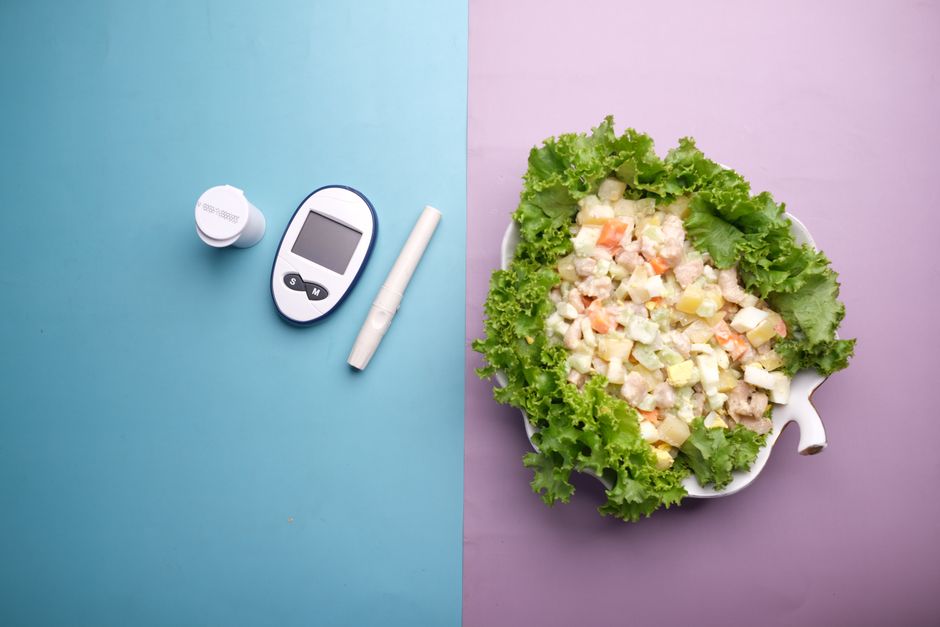
Regular mayonnaise is not off-limits for people with diabetes. The best choice is a mayonnaise with little or no added sugar, made mostly from unsaturated oils, and eaten in controlled portions. For most people with diabetes, the bigger issue is not the mayonnaise itself but the bread, chips, or fries it usually comes with.
Mayonnaise is mostly fat. Fat does not raise blood glucose directly. That single fact explains why mayo is not the blood sugar villain it is sometimes made out to be. What matters is the type of fat, the added sugar in some brands, the sodium, and the total calories.
Does Mayonnaise Raise Blood Sugar?
Plain mayonnaise has a very small effect on blood glucose. A typical serving is about one tablespoon, and most of it is oil, which contains no carbohydrate.
Carbohydrate is the nutrient that raises blood glucose. Mayonnaise contains almost none. The egg yolk adds a small amount of protein and fat. The vinegar adds negligible carbohydrate. So a spoon of regular mayo barely registers on a glucose meter.
Where blood sugar does move is with reduced-fat and “light” mayonnaise. Manufacturers often add sugar, starch, or other carbohydrate-based thickeners to replace the fat they remove. Some light mayo products contain several grams of carbohydrate per serving. That is a real difference for someone counting carbs.
This is the non-obvious point most people miss: the “lighter” option can be the higher-carb option. Reading the nutrition label matters more than the word “light” on the front of the jar.
What Mayonnaise Is Best For Diabetics To Eat?
The best mayonnaise for a person with diabetes is one with no added sugar, a short ingredient list, and primarily unsaturated oil. Regular full-fat mayonnaise often fits that description better than reduced-fat versions.
Look at the label in this order:
- Total carbohydrate per serving. Aim for the lowest number you can find. Regular mayo is often close to zero.
- Sugars. Some brands add sugar for taste. Check the grams per serving.
- Type of oil. Oils high in unsaturated fat are the better choice. Canola and soybean oil are common in commercial mayonnaise and are higher in unsaturated fat than some alternatives.
- Sodium. Mayonnaise is not usually a major sodium source, but it adds up if you use a lot.
- Serving size. One tablespoon is the standard serving on most labels. A heaped spoon from the jar is often two or three servings.
There is no single brand that is medically “best.” The right choice depends on what is on the label in front of you.
Is Full-Fat Mayonnaise Better Than Light Mayonnaise For Diabetes?
For blood sugar control, full-fat mayonnaise is often the better choice. It usually has fewer carbohydrates than light versions because it has not been reformulated with sugar or starch.
That does not make it a free food. Full-fat mayonnaise is calorie-dense. One tablespoon supplies roughly 90 to 100 calories in most regular products. Fat also contains about 9 calories per gram, compared with about 4 calories per gram for carbohydrate and protein. Small portions add up quickly.
Weight management matters in type 2 diabetes. Excess body weight is linked to insulin resistance, and losing weight can improve blood glucose control for many people. So the goal is not to eat more mayo because it is low-carb. The goal is to choose the version that does not add sugar and to keep the portion sensible.
The evidence on which specific fat type is ideal for people with diabetes is more settled than the marketing suggests. Research consistently shows that replacing saturated fat with unsaturated fat supports heart health. Mayonnaise made mostly from unsaturated oils fits that pattern. Mayonnaise is not a health food, but it is not the problem it is often made out to be either.





What About Sugar-Free And “Diabetic-Friendly” Mayonnaise?
Mayonnaise labeled sugar-free or marketed for people with diabetes is not automatically a better product. It may simply be regular mayonnaise with a different label.
Some sugar-free products replace sugar with sugar alcohols. These can cause digestive discomfort in some people, especially in larger amounts. Others use different thickeners that still contain carbohydrate.
There is no regulatory standard that makes a product “diabetic-friendly” in a meaningful medical sense. That phrase is marketing, not a clinical category. The nutrition facts panel tells you what you actually need to know.
If a product claims to be “low glycemic” or “suitable for diabetics,” check the carbohydrate grams per serving. That number is the one that matters.
How Much Mayonnaise Can A Diabetic Eat?
There is no official recommended daily limit for mayonnaise specifically. General dietary guidance for people with diabetes focuses on total calorie intake, fat quality, and carbohydrate count rather than any single condiment.
A practical approach is to treat mayonnaise as a condiment, not a food group. One to two tablespoons per meal is a reasonable working range for most adults, but this is general guidance rather than a formal recommendation. Your own calorie and fat targets depend on your body size, activity level, medications, and other health conditions.
People with diabetes who also have high cholesterol or heart disease may be advised to watch saturated fat intake more closely. Mayonnaise is relatively low in saturated fat compared with butter, but it is not saturated-fat-free. A registered dietitian can help set personal targets.
What Should You Eat With Mayonnaise If You Have Diabetes?
The food you put mayonnaise on matters more than the mayonnaise itself. This is where most blood sugar problems actually come from.
Mayonnaise on a white bread sandwich with processed meat is a very different meal from mayonnaise on a salad or used as a dip for vegetables. The bread, the chips, and the fries carry the carbohydrate load.
Better pairings include:
- Mayonnaise-based dressings on leafy salads or raw vegetables
- A small amount on a sandwich made with whole-grain bread and lean protein
- As a dip for cucumber, celery, or pepper strips instead of chips
- Mixed into tuna or chicken salad without added sugar or sweet relish
Watch out for prepared deli salads. Tuna salad, potato salad, and coleslaw from a deli often contain added sugar and much more mayonnaise than you would use at home. Potato salad and macaroni salad also bring a large carbohydrate load from the potatoes or pasta.
The Bottom Line On Mayonnaise And Diabetes
Mayonnaise is not a food people with diabetes need to avoid. Choose a version with little or no added sugar and mostly unsaturated oil. Read the carbohydrate grams per serving, not the front-of-pack claims. Keep the portion small, and pay more attention to what you eat with it.
No single condiment will make or break diabetes management. Blood glucose control comes from the overall pattern of what you eat, how active you are, and whether you take medications as prescribed. Mayonnaise is a small piece of that picture.
Frequently Asked Questions
Is mayonnaise bad for diabetics?
No, plain mayonnaise is not bad for people with diabetes because it contains almost no carbohydrate and does not raise blood sugar much. The bigger concern is calories and what you eat it with.
Does mayonnaise spike blood sugar?
Regular mayonnaise does not spike blood sugar because it has almost no carbohydrate. Light or reduced-fat mayonnaise may contain added sugar or starch, so check the label.
Is light mayonnaise better for diabetes?
Not necessarily. Light mayonnaise often has more carbohydrate than regular mayonnaise because sugar or starch is added to replace fat, so regular full-fat mayo is often the lower-carb choice.
How much mayonnaise can a diabetic eat per day?
There is no official daily limit for mayonnaise, but treating it as a condiment of about one to two tablespoons per meal is a reasonable general approach. Your personal fat and calorie targets depend on your overall health and should come from your care team.
