
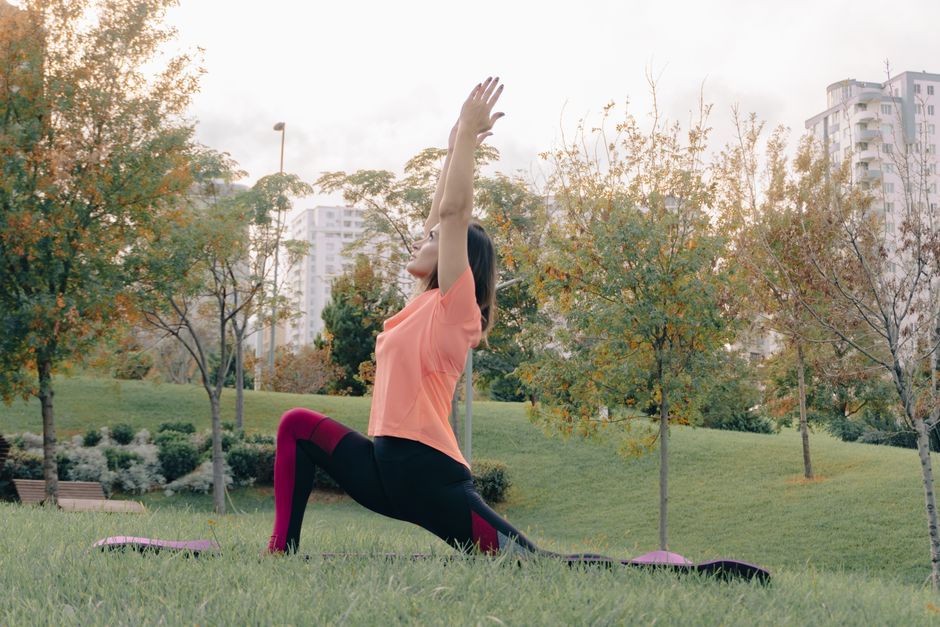
Your lungs get stronger the same way your heart and muscles do: through regular aerobic exercise that makes you breathe harder than usual, and by avoiding the things that damage lung tissue, especially cigarette smoke and air pollution. Diet supports lung health indirectly by supplying the nutrients that protect tissue from oxidative stress, but no food or supplement has been shown to increase lung capacity. Exercise is the only everyday habit with strong evidence for improving how well your lungs work.
What Makes Your Lungs Stronger Exercise Diet More?
Exercise is the primary driver. When you move vigorously enough to breathe hard, your heart pumps more blood to the lungs, your diaphragm and rib muscles get a workout, and your body becomes more efficient at moving oxygen into the bloodstream and carbon dioxide out. Those adaptations are real and measurable.
Diet plays a supporting role. It cannot enlarge your lungs or increase your vital capacity, which is the maximum amount of air you can exhale after a full breath. What a healthy diet can do is reduce oxidative stress and inflammation in lung tissue over time. That matters for protecting function, not for building it.
One clarification worth making early: “stronger” is a loose word for lungs. You cannot flex them like a bicep. What improves is respiratory muscle strength, breathing efficiency, and how well oxygen moves through your system. Lung tissue itself does not grow new capacity the way muscle grows with resistance training.
How Does Exercise Actually Strengthen Your Lungs?
Aerobic exercise trains the muscles that do the work of breathing. The diaphragm is the main one. It sits below your lungs and does most of the heavy lifting during inhalation. The intercostal muscles between your ribs help expand the chest cavity. Like any muscle, they respond to being challenged.
When you exercise hard enough to breathe faster and deeper, several things happen:
- Your heart pumps more blood per beat, so more blood reaches the lungs for gas exchange.
- Your breathing muscles become more fatigue-resistant over weeks of training.
- Your body extracts oxygen from blood more efficiently at the tissue level.
- Breathing becomes more coordinated, so you move air with less effort.
What exercise does not do is change the size of your lungs or increase your forced vital capacity in healthy adults. That number is largely set by genetics and body size. What changes is how efficiently you use the lung capacity you already have.
This is where a lot of marketing gets it wrong. Devices and programs claiming to “expand lung capacity” in healthy people are not supported by strong evidence. The measurable gains from exercise come from cardiovascular fitness and respiratory muscle endurance, not from physically enlarging the lungs.
What Kind of Exercise Helps Most?
Sustained aerobic activity is the foundation. Walking briskly, jogging, cycling, swimming, and dancing all qualify if they raise your heart rate and breathing rate for a sustained period. The general public health recommendation for adults is at least 150 minutes of moderate-intensity aerobic activity per week, or 75 minutes of vigorous activity, according to long-standing federal physical activity guidelines.
Moderate intensity means you can talk but not sing. Vigorous means you cannot say more than a few words without pausing for breath.
For people with specific lung conditions, the picture changes. Pulmonary rehabilitation is a structured program combining supervised exercise, breathing techniques, and education. It has strong evidence for improving exercise capacity and quality of life in people with chronic obstructive pulmonary disease, or COPD. That is a clinical intervention, not something to self-prescribe.
Resistance training and breathing exercises can complement aerobic work. Pursed-lip breathing and diaphragmatic breathing are taught in clinical settings to help people with lung disease manage breathlessness. Whether they benefit healthy adults in a meaningful way is less clear. Some studies suggest modest improvements in breathing muscle strength, but the evidence is not as strong as it is for aerobic exercise.


Does Diet Play a Real Role in Lung Health?
Diet affects lung health, but not in the way most people assume. Food does not build lung tissue or increase capacity. What it does is influence inflammation and oxidative stress, two processes involved in chronic lung disease.
The strongest dietary evidence for lung health comes from population studies looking at overall eating patterns. Diets rich in fruits and vegetables are consistently associated with better lung function and slower decline over time. This pattern shows up across multiple large studies.
Several nutrients get attention in this area:
- Vitamin C and vitamin E are antioxidants found in fruits, vegetables, nuts, and seeds.
- Beta-carotene and other carotenoids are found in carrots, sweet potatoes, and leafy greens.
- Omega-3 fatty acids from fish and some plant sources have anti-inflammatory properties.
- Fiber from whole grains, beans, and produce is linked to better lung function in observational studies.
Here is the important caveat. Getting these nutrients from food is associated with better lung health. Taking them as supplements has repeatedly failed to show the same benefit. In fact, high-dose beta-carotene supplements increased lung cancer risk in smokers in large trials. That is one of the clearest examples of a nutrient helping in food form and harming in pill form.
No supplement has been shown to increase lung capacity or treat lung disease. Anyone marketing a “lung detox” or “lung cleanse” product is selling something without evidence.
What Actually Damages Your Lungs?
Protecting lung function matters more than trying to boost it. The biggest threats are well established.
Cigarette smoking is the leading cause of COPD and lung cancer. It damages the airways, destroys alveoli, which are the tiny air sacs where gas exchange happens, and causes chronic inflammation. Quitting at any age slows the decline, and the earlier you quit, the more function you preserve.
Air pollution, both outdoor and indoor, is linked to reduced lung function and increased respiratory disease. Indoor sources include secondhand smoke, wood smoke, radon, and certain cooking fumes. Radon is the second leading cause of lung cancer in the United States after smoking, according to the Environmental Protection Agency.
Occupational exposures to dust, asbestos, silica, and chemical fumes can cause lasting damage. Workplace protections exist for a reason.
Respiratory infections can cause short-term damage and, in some cases, lasting changes. Vaccination against influenza, COVID-19, and pneumococcal disease reduces risk, particularly for older adults and people with chronic conditions.
There is no food, exercise, or supplement that undoes the damage from smoking. The single most effective thing a smoker can do for lung health is stop.
Can You Improve Lung Function If You Already Have a Lung Condition?
Yes, but the approach is different and should be guided by a clinician. In conditions like asthma, COPD, and pulmonary fibrosis, the goal shifts from building capacity to preserving function, managing symptoms, and improving quality of life.
Pulmonary rehabilitation is the best-supported intervention here. It typically includes supervised exercise training, breathing techniques, and education. Research consistently shows it improves exercise tolerance and reduces breathlessness in people with COPD.
Medications like bronchodilators and inhaled corticosteroids are mainstays for asthma and COPD. They do not strengthen lungs, but they reduce inflammation and open airways so people can breathe and move more easily.
Nutrition matters more in these situations. People with advanced lung disease often lose muscle mass and may struggle to eat enough because breathing itself takes energy. A registered dietitian can help with practical strategies. This is a clinical situation, not one to manage with general advice.
What About Breathing Exercises and Devices?
Breathing exercises are widely taught and commonly used. The evidence is mixed depending on who is using them and why.
For people with COPD or after surgery, techniques like pursed-lip breathing and incentive spirometry have a clear clinical role. Incentive spirometry is a device that encourages slow, deep breaths to help prevent lung collapse after surgery.
For healthy adults trying to improve athletic performance or general lung health, the evidence is weaker. Some small studies suggest inspiratory muscle training can improve breathing muscle strength, but whether that translates to meaningful benefits for healthy people is not well established.
If you enjoy breathing exercises and they help you feel calmer or more aware of your breath, there is little downside. Just do not expect them to replace aerobic exercise or to produce dramatic changes in lung function.
The Bottom Line on Stronger Lungs
Exercise is the lever that actually moves. Regular aerobic activity improves how efficiently your heart, lungs, and muscles work together. It strengthens the muscles you breathe with and improves cardiovascular fitness.
Diet supports lung health by reducing inflammation and oxidative stress, but it works through overall eating patterns, not individual nutrients or supplements. Fruits, vegetables, whole grains, and fish are associated with better lung function over time.
The most powerful thing you can do for your lungs is avoid damaging them. Do not smoke. Limit exposure to air pollution and occupational hazards. Stay current on vaccines. If you have a lung condition, work with a clinician on a plan that may include pulmonary rehabilitation and medication.
There is no shortcut, no detox, and no supplement that replaces these basics. The evidence is clear on what helps and what does not.
Frequently Asked Questions
Can exercise increase lung capacity?
No. Lung capacity is largely determined by genetics and body size and does not increase with exercise in healthy adults. Exercise improves how efficiently you use your existing capacity by strengthening breathing muscles and improving cardiovascular fitness.
What foods are best for lung health?
Diets rich in fruits, vegetables, whole grains, and fish are consistently associated with better lung function in large population studies. No single food or supplement has been shown to strengthen lungs or increase capacity.
Do breathing exercises really help?
They have a clear clinical role for people with COPD or after surgery. For healthy adults, the evidence for meaningful lung function improvement is limited and mixed.
Can you reverse lung damage from smoking?
Some damage cannot be reversed, but quitting smoking at any age slows further decline and preserves more lung function than continuing to smoke. The earlier you quit, the more function you keep.
