
Why Does Stool Turn Green?
The journey of food through your system explains most cases of green poop. Bile is produced by your liver and stored in your gallbladder. It is naturally green. Its job is to break down fats during digestion.
As bile travels through your small intestine and into your large intestine, bacteria work on it. This process changes the bile from green to yellow, and eventually to brown. That brown color is what you see in normal stool.
Green stool happens when this process is interrupted. If your digestive system moves waste through the colon too quickly, the bacteria do not have enough time to change the bile’s color. The stool exits while the bile is still green. This is the most common mechanism behind green poop.
What Foods Cause Green Stool?
Diet is the most frequent cause of green stool. Certain foods and drinks can change the color of your waste.
Leafy green vegetables are a common culprit. Spinach, kale, broccoli, and Swiss chard contain large amounts of chlorophyll. Chlorophyll is the pigment that makes plants green. When you eat a large quantity of these vegetables, the pigment can survive digestion and color your stool.
Green food coloring is another major cause. This is especially true for highly processed foods. Think of green frosting, green candy, sports drinks, and gelatin desserts. Artificial dyes can pass through your digestive system without being fully broken down.
Other foods that can cause green stool include:
- Blueberries and grapes, which contain dark pigments
- Pistachios and other green nuts
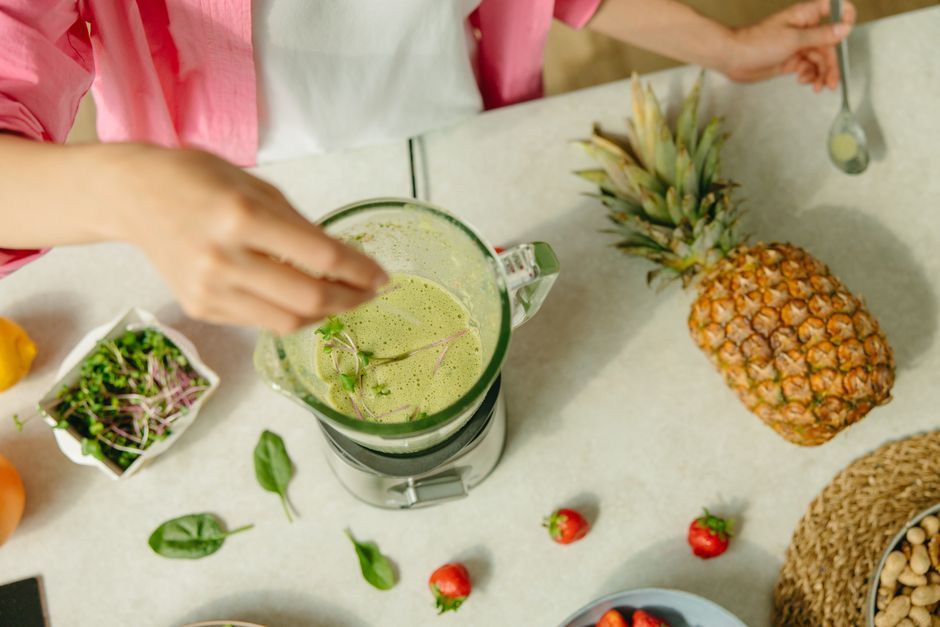
- Green smoothies or juices made with leafy greens
- Black licorice, which can mix with bile to appear green
- Iron supplements, which can darken stool to a greenish or black color
Even purple or blue foods can cause green poop. The pigments in these foods mix with bile and can produce a green result.
Can Diarrhea or Digestive Issues Cause Green Poop?
Yes. Diarrhea is one of the most common reasons for green stool. When you have diarrhea, food moves through your system much faster than normal.
Your colon normally absorbs water and gives bacteria time to process bile. With diarrhea, that time is cut short. Bile remains green because the bacteria did not have a chance to change its color. This is why green stool often accompanies digestive upset.
Several conditions can speed up digestion:
- Food poisoning
- Stomach flu or viral gastroenteritis
- Irritable bowel syndrome
- Food intolerances, such as lactose intolerance
- Celiac disease
When your body is trying to expel something harmful, it speeds up the digestive process. This rapid transit time is protective. The green color is simply a side effect of that speed.



What Medical Conditions Are Linked to Green Stool?
While diet and diarrhea cause most cases, certain medical conditions can also produce green stool. These are less common but worth understanding.
Gallbladder or liver issues can affect bile production and release. If your gallbladder is not functioning properly, bile may be released in larger amounts at unusual times. This can lead to green stool.
Malabsorption conditions prevent your body from properly absorbing nutrients. Celiac disease and Crohn’s disease can both cause malabsorption. When your body cannot absorb fats properly, bile remains in the stool and keeps its green color.
Infections from bacteria or parasites can also cause green stool. Bacterial infections like Salmonella or Giardia can speed up digestion and alter stool color. These infections usually come with other symptoms like fever, cramping, and diarrhea.
Some medications can also cause green stool. Antibiotics change the balance of bacteria in your gut. This can affect how bile is processed. Certain antibiotics, like ciprofloxacin, are known to cause green stool in some people.
Iron supplements frequently cause stool to appear green or black. This is harmless, though it can be surprising. The color change is a normal reaction to unabsorbed iron.
When Should You Worry About Green Poop?
Most cases of green poop resolve on their own within a day or two. You typically do not need medical attention if the green color is the only symptom you have.
You should contact a healthcare provider if green stool comes with other warning signs. These include:
- Blood in your stool
- Severe abdominal pain
- Fever above 101 degrees Fahrenheit
- Diarrhea lasting more than three days
- Signs of dehydration
- Unexplained weight loss
Green stool that persists for more than a few days without an obvious dietary cause deserves medical evaluation. If you have a known digestive condition and notice new changes in stool color, speak with your doctor.
Blood in stool can sometimes appear dark and be mistaken for green or black stool. If you are unsure whether you are seeing blood, seek medical advice. It is always better to have a healthcare professional check.
What Makes You Have Green Poop and How to Fix It
If you have green stool and feel otherwise fine, the fix is usually straightforward. Start by reviewing what you ate in the past day or two.
Look for green foods in your recent meals. Spinach salads, green smoothies, and foods with green dye are common causes. If you identify a likely culprit, the green color should resolve once that food leaves your system.
If diarrhea is causing your green stool, focus on hydration. Water and oral rehydration solutions help replace lost fluids. Your stool color should return to normal as your digestive system recovers.
If you take iron supplements and notice green stool, this is generally not a concern. The color change is harmless. You can mention it to your doctor at your next visit, but it does not require urgent attention.
Probiotics may help restore healthy gut bacteria if you recently took antibiotics. Some research suggests this can help normalize digestion. The evidence for probiotics is strongest for preventing antibiotic-associated diarrhea rather than for changing stool color specifically.
Is Green Poop During Pregnancy a Concern?
Pregnancy can change digestion in several ways. Hormonal shifts can speed up or slow down the digestive process. Prenatal vitamins often contain iron, which can alter stool color.
Green stool during pregnancy is usually not a concern. The same causes apply as in non-pregnant individuals. Diet, prenatal vitamins, and digestive changes are the most common reasons.
Pregnant women should stay alert for the same warning signs as anyone else. Blood in stool, severe pain, or persistent diarrhea warrant medical attention. If you are pregnant and concerned about any digestive symptom, contact your obstetrician.
What About Green Poop in Babies?
Green stool in babies is common and usually harmless. Breastfed babies can have green stool if the mother eats certain foods. Formula-fed babies may have greenish stool depending on the formula’s iron content.
Green stool can also appear when a baby is teething. Increased saliva production during teething can cause digestive upset and faster transit time. This can result in green stool.
The key concern for babies is whether they are feeding well and gaining weight. If a baby has green stool but is otherwise happy, eating normally, and growing, it is generally not a problem. Contact a pediatrician if green stool accompanies fever, blood, or signs of dehydration.
Frequently Asked Questions
How long does green poop last?
Green poop typically lasts one to two days. It usually resolves once the offending food has passed through your system or the diarrhea episode ends.
Can stress cause green poop?
Stress can speed up digestion, which may lead to green stool. This happens because stress affects gut motility and can reduce the time bile has to change color.
Does green poop mean infection?
Not usually. Diet and rapid digestion are far more common causes. Infection is possible but typically comes with other symptoms like fever and severe diarrhea.
Is green poop a sign of cancer?
No evidence links green stool directly to cancer. Persistent changes in stool color should be evaluated, but green stool alone is not a recognized cancer warning sign.
