
Thermal imaging cameras let you see heat instead of light. They detect infrared radiation that every object gives off and turn it into a picture you can read. This makes them useful for finding problems you cannot see with your eyes — from electrical hot spots to missing insulation to fevers in people.
How Does a Thermal Imaging Camera Actually Work?
Every object above absolute zero gives off infrared energy. The hotter something is, the more infrared it emits. A thermal camera has a special sensor called a microbolometer that detects this energy and turns it into an electronic signal. The camera’s processor then assigns colors to different temperature levels and displays them as an image.
This is not like a regular camera that needs light. Thermal cameras work in total darkness because they do not rely on visible light at all. They measure temperature differences as small as 0.05 degrees Celsius in many modern models. The image you see is a temperature map of whatever the camera is pointed at.
Different colors represent different temperatures. Most cameras use a standard color palette where white and red mean hot, blue and purple mean cold. But you can change the color scheme depending on what you are looking for. Some professionals prefer a grayscale image because it can show finer temperature details.
What Can Thermal Imaging Cameras Detect That Normal Cameras Cannot?
Regular cameras record light that bounces off surfaces. Thermal cameras record heat coming directly from surfaces. This difference means thermal cameras can find things that are completely invisible to the naked eye or a standard camera.
Here are the main things thermal cameras detect that normal cameras miss:
- Hidden moisture behind walls — Wet spots are cooler than dry spots because water evaporates and cools the surface
- Electrical hot spots — Loose connections or overloaded circuits get hotter before they fail
- Missing or wet insulation — Insulation gaps show up as different temperatures on walls and ceilings
- Air leaks around windows and doors — Cold air seeping in creates a temperature difference on the surface
- Living creatures in darkness — Body heat stands out clearly against cooler backgrounds
- Mechanical overheating — Bearings, motors, and pumps show hot spots before they break down
None of these things are visible with a regular camera. A wall can look perfectly fine to your eyes while the thermal camera shows a wet spot spreading behind the paint. An electrical panel can look normal while the thermal camera shows a wire about to fail.
What Does Research on Thermal Imaging in Building Inspections Show?
Research published in the journal Energy and Buildings found that thermal imaging can detect insulation defects with more than 90 percent accuracy when combined with a blower door test. The blower door creates a pressure difference that makes air leaks more visible to the thermal camera. Without the blower door, accuracy drops but still finds most major problems.
The U.S. Department of Energy recommends thermal imaging as a standard tool for home energy audits. Their research shows that thermal scans identify energy waste that would cost hundreds of dollars per year in heating and cooling. A study by the Oak Ridge National Laboratory found that thermal imaging inspections found twice as many insulation problems as visual inspections alone.
But thermal imaging has limits in building inspections. It cannot see through walls — it only measures surface temperature. The wall itself might show a temperature difference, but the camera cannot tell you exactly what is causing it. That requires follow-up with other tools like moisture meters or borescopes.
Weather conditions matter too. Strong sunlight can heat up walls unevenly and create false readings. Wind can cool surfaces and mask problems. The best time for a building thermal scan is early morning after the building has had hours to reach a stable temperature.





How Do Medical Thermal Cameras Compare to Fever Thermometers?
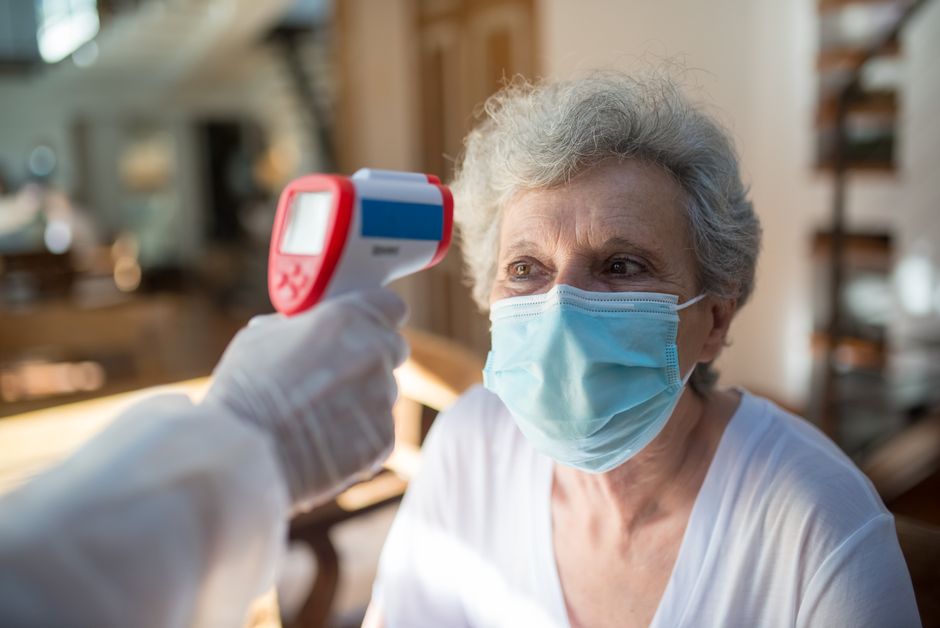
During the COVID-19 pandemic, thermal cameras became common in airports and hospitals for fever screening. The CDC evaluated these systems and found they work well for catching high fevers but miss some cases. A study in the Journal of Travel Medicine reported that thermal cameras detected about 70 percent of fevers above 100.4 degrees Fahrenheit when set up correctly.
This is lower than a standard oral thermometer, which catches nearly all fevers. But thermal cameras have a major advantage — they screen people without touching them. You can check dozens of people per minute without stopping anyone or cleaning equipment between uses. This makes them useful for high-traffic areas where individual temperature checks are not practical.
Medical thermal cameras work best on the inner corner of the eye near the tear duct. This spot most closely matches core body temperature. Skin temperature on the forehead or face is less reliable because it is affected by sweat, makeup, and recent activity. Someone who just walked in from cold weather might show a normal skin temperature even if they have a fever.
The FDA has cleared some thermal camera systems for medical use, but the agency warns that they are screening tools, not diagnostic devices. A positive reading should always be confirmed with a medical-grade thermometer. The American Medical Association supports this position and advises against relying solely on thermal cameras for diagnosis.
What Makes Thermal Imaging Cameras So Useful for Electrical Inspections?
Electrical failures are a leading cause of building fires in the United States. The National Fire Protection Association reports that electrical distribution equipment causes about 35,000 home fires each year. Thermal imaging can catch many of these problems before they start.
Loose electrical connections create resistance. Resistance creates heat. A thermal camera can spot a connection that is running 10 or 20 degrees hotter than the surrounding wires. That heat is invisible to the eye but obvious on a thermal scan. Electricians can then tighten or replace that connection before it fails.
Overloaded circuits also show up as hot spots. A circuit breaker that is running hot might be carrying more current than it can handle. The thermal camera shows this immediately, while a visual inspection shows nothing wrong. The National Electrical Code now recommends thermal imaging as part of routine electrical maintenance for commercial buildings.
But thermal scanning has to be done under load. A circuit that is turned off shows normal temperature even if it has a bad connection. The circuit needs to be carrying its normal electrical load for the hot spot to appear. This is why electrical thermal scans are done while equipment is running, not during shutdowns.
| Application | What Thermal Imaging Finds | Accuracy Level | Best Practice |
|---|---|---|---|
| Building insulation | Missing or wet insulation | 90%+ with blower door | Scan early morning |
| Electrical panels | Loose connections, overloads | 85-95% under load | Scan while running |
| Fever screening | Elevated body temperature | ~70% detection rate | Confirm with thermometer |
| Plumbing leaks | Hidden water leaks | 80-90% for active leaks | Combine with moisture meter |
| Roof moisture | Trapped water under roofing | 75-85% on flat roofs | Scan after sunset |
What Are the Limitations You Should Know About?
Thermal cameras are powerful tools, but they have real limits that many marketing materials do not mention. Understanding these limits keeps you from misreading what the camera shows.
First, thermal cameras cannot see through solid objects. They measure surface temperature only. If you see a hot spot on a wall, the problem might be on the surface or it might be behind the surface. The camera cannot tell you which. You need other tools to investigate further.
Second, reflective surfaces cause problems. Shiny metal, glass, and water can reflect heat from other objects and create false readings. A thermal camera pointed at a window might show the temperature of whatever is behind you, not the window itself. Experienced users learn to recognize these reflections and adjust their angles or use background materials.
Third, thermal cameras have limited resolution compared to regular cameras. A typical thermal camera might have a resolution of 320 by 240 pixels while a regular camera has millions of pixels. This means small details can be blurry or invisible. You cannot zoom in on a thermal image and expect to see fine detail the way you can with a regular photo.
Fourth, weather and environmental conditions affect readings. Rain, snow, fog, and strong wind all change how heat moves across surfaces. Direct sunlight heats surfaces unevenly and can mask problems. The best thermal scans happen when conditions are stable and the target has had time to reach a steady temperature.
Frequently Asked Questions
Do thermal cameras work through walls?
No, thermal cameras only measure surface temperature and cannot see through walls. They detect temperature differences on the wall surface that may indicate something behind it.
Can thermal cameras see people through walls?
No, thermal cameras cannot see through walls to detect people. Body heat does not pass through solid building materials in a way the camera can read.
How accurate are thermal cameras for fever detection?
Medical studies show thermal cameras detect about 70 percent of fevers above 100.4 degrees Fahrenheit. They are screening tools and should be followed with a medical thermometer.
Do thermal cameras work in complete darkness?
Yes, thermal cameras work in total darkness because they detect heat, not visible light. This makes them useful for night surveillance and search and rescue operations.
