
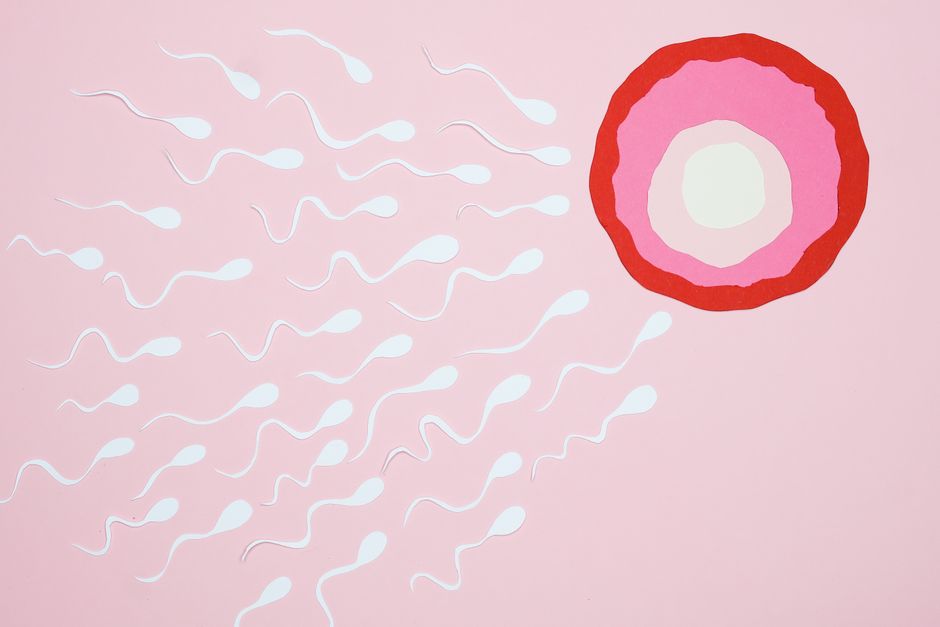
Semen consistency changes from one ejaculation to the next, and that is normal. Watery semen is usually not a sign of infertility on its own. The fluid part of semen is made mostly by the prostate and seminal vesicles, and its thickness depends heavily on how often you ejaculate, how hydrated you are, and other temporary factors. What matters far more for fertility is what is inside that fluid: the number and movement of sperm.
What Makes Sperm Watery?
What people call “sperm” is really semen — a mix of fluid and cells. Sperm cells make up only a small fraction of the total volume. The rest is fluid from several glands.
The seminal vesicles contribute a large share of the fluid. It is thick and contains fructose, which gives sperm energy. The prostate gland adds a thin, milky fluid with enzymes and zinc. The bulbourethral glands add a small amount of clear, slippery fluid.
When these fluids mix in different proportions, the texture changes. More thin prostatic fluid and less thick seminal fluid means runnier semen. This ratio is not fixed. It shifts based on recent ejaculation, hydration, and other everyday factors.
One point worth clearing up: watery semen and low sperm count are two different things. Semen is the liquid. Sperm count is the number of cells swimming in that liquid. A man can have very watery semen and a completely normal sperm count, or thick semen and a low count. The two do not move together in a predictable way.
What Makes Sperm Watery And Does It Affect Fertility?
Watery semen by itself does not reduce fertility. The texture of the fluid is not what determines whether pregnancy can happen. What determines fertility is whether enough healthy, well-shaped, moving sperm are present in the ejaculate.
That said, the fluid does have jobs. It protects sperm, feeds them, and helps them travel through the female reproductive tract. If the fluid is abnormal, it could in theory affect sperm function — but texture alone is a poor way to judge this. A semen analysis measures the things that actually matter.
Here is the practical takeaway. If your only concern is that semen looks thinner than before, that finding on its own is not a reason to worry about fertility. If you have been trying to conceive for a year without success (or six months if your partner is over 35), the texture of your semen is not the useful clue. A semen analysis is.
Common Causes Of Watery Semen
Most cases come down to ordinary, temporary factors. A few are worth a closer look.
Ejaculation frequency
This is the most common reason. Ejaculate often after a short gap and the semen tends to be thinner, because the seminal vesicles have had less time to build up their thick fluid. After a longer gap, semen is usually thicker and larger in volume. This is normal and not a health problem.
Hydration
Fluid intake affects semen volume and consistency. Being well hydrated tends to support normal semen volume. Dehydration can reduce it. This is a general relationship, not a precise rule.
Age
Semen volume and consistency can change gradually with age. This is common and usually not a sign of disease.
Recent illness or fever
A fever or a recent viral illness can temporarily affect semen quality and consistency. Sperm production is sensitive to temperature. Because sperm take roughly two to three months to mature, changes from an illness may not show up in semen for weeks afterward.
Medications and other substances
Some medications, alcohol, tobacco, and recreational drugs can affect semen. If you notice a lasting change and you take regular medication, that is worth mentioning to a doctor.
Prostate or seminal vesicle issues
Inflammation or infection of the prostate or seminal vesicles can change semen consistency, sometimes making it watery, sometimes thicker, and sometimes changing its color or smell. These conditions often come with other symptoms such as pain, burning, or discomfort during ejaculation or urination. Texture alone is not enough to point to an infection.




When Watery Semen Might Signal A Problem
Texture by itself rarely points to a specific condition. What matters more is whether the change comes with other signs, or whether it is new and persistent.
Consider talking to a doctor if you notice:
- Semen that stays watery for weeks or months, not just once or twice
- Pain or burning during ejaculation or urination
- Blood in the semen
- Unusual color or a strong odor that does not go away
- Swelling, pain, or a lump in the testicles or groin
- Trouble conceiving after a year of trying (or six months if your partner is over 35)
None of these symptoms confirm a diagnosis on their own. They are reasons to get checked, not reasons to assume the worst. Many turn out to have simple explanations.
What Actually Affects Male Fertility
Semen texture is a weak signal. The factors that genuinely shape male fertility are measured in a semen analysis and in overall health.
A standard semen analysis looks at several things:
- Sperm count — the number of sperm in a given volume
- Motility — the percentage of sperm that are moving
- Morphology — the percentage with a normal shape
- Volume — the total amount of semen
- pH and other fluid measures
Reference ranges for these measures come from the World Health Organization. If you want to know whether your fertility is affected, these numbers — not the thickness of the fluid — are what a doctor will look at.
Other factors that can affect male fertility include:
- Heat exposure to the testicles, such as frequent hot baths or tight clothing
- Smoking, heavy alcohol use, and recreational drugs
- Obesity and some chronic conditions
- Certain medications
- Hormonal problems
- Varicocele, an enlarged vein in the scrotum
Many of these are treatable or manageable. That is why a real evaluation matters more than guessing from semen texture.
Can You Improve Semen Consistency?
You can influence some of the everyday factors, but there is no proven way to “fix” semen texture, and texture is not the goal anyway. What you can do is support overall reproductive health.
Reasonable steps include:
- Stay well hydrated
- Eat a balanced diet
- Avoid smoking and limit alcohol
- Keep testicles away from prolonged heat
- Manage chronic conditions with your doctor
- Get enough sleep and manage stress
These steps support general health and may support fertility. They are not a treatment for watery semen, and no supplement or product is proven to change semen texture or boost fertility in a reliable way. Be cautious of anything marketed as a fertility cure.
Does Watery Semen Mean Low Sperm Count?
No. Watery semen does not mean low sperm count. The two are separate measures. Semen is the fluid; sperm count is the number of cells in it.
A man can have thin, watery semen and a normal sperm count. He can also have thick semen and a low count. If you are concerned about sperm count, the only way to know is a semen analysis ordered by a doctor.
Frequently Asked Questions
Is watery sperm a sign of infertility?
No, watery semen on its own is not a sign of infertility. Fertility depends mainly on sperm count, movement, and shape, which a semen analysis measures directly.
Why is my sperm suddenly watery?
The most common reason is recent ejaculation, since the fluid has had less time to thicken. Hydration, age, and recent illness can also play a role.
Can watery sperm still get a woman pregnant?
Yes, watery semen can still contain healthy sperm capable of causing pregnancy. Texture does not determine whether pregnancy can happen.
When should I see a doctor about watery semen?
See a doctor if the change lasts for weeks, comes with pain, blood, or unusual color, or if you have been trying to conceive for a year without success.
