
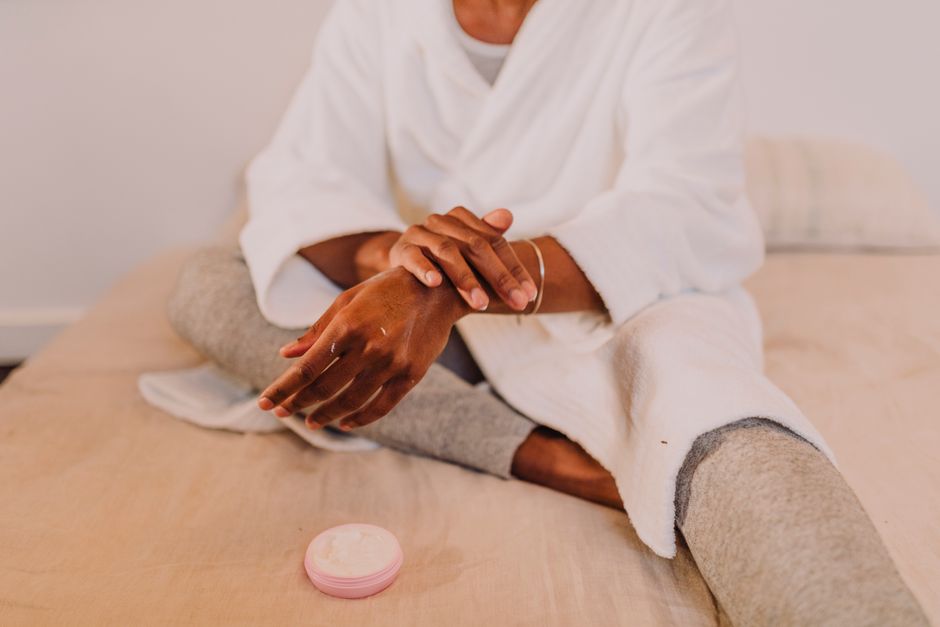
An itch is not just a milder version of pain. It is a distinct sensation with its own dedicated nerve pathways and its own chemical messengers, which is why scratching an itch and flinching from pain feel so different. When something irritates the skin — or the nerves beneath it — specialized fibers send a signal up the spinal cord to the brain, and the brain answers back with an urge to scratch. That urge can come from something as simple as dry air or as serious as a liver or kidney problem. Understanding what makes skin itch, and which triggers respond to which treatments, is the difference between temporary relief and finally stopping the cycle.
What Makes Skin Itch Causes Triggers And Treatments?
Most itching starts at the surface. When the skin barrier is dry, cracked, or exposed to an irritant, cells in the outer layer release chemicals — histamine is the best known — that activate itch-sensitive nerve endings. The brain receives the signal and creates the sensation you feel. That is the whole point of the system: it is a warning and a prompt to remove whatever is bothering the skin.
But not all itch follows that path. Some itch begins deeper, in the nerves themselves or in the spinal cord, and some is driven by internal disease rather than anything on the skin. This is why a rash that itches and an itch with no rash at all can have completely different causes, and why the treatment that works for one often does nothing for the other.
Itch is generally grouped into four broad categories, and knowing which one you are dealing with guides everything that follows:
- Skin-based (pruritoceptive): caused by dryness, irritation, allergy, or inflammation in the skin itself. This is the most common type.
- Neuropathic: caused by nerve damage or dysfunction, as in shingles or diabetic nerve pain.
- Systemic: caused by an internal condition such as liver, kidney, or thyroid disease.
- Psychogenic: arising from psychological factors, though it is far less common than the internet suggests.
What Are the Most Common Triggers of Itchy Skin?
Dry skin is the single most common cause of itching, and it becomes more common with age. As skin loses moisture and oil production slows, the barrier weakens and nerve endings become easier to irritate. Winter air, indoor heating, and frequent hot showers all make this worse.
Beyond dryness, several everyday triggers account for most cases:
- Contact irritants and allergens: soaps, detergents, fragrances, nickel, latex, and some preservatives in cosmetics.
- Insect bites and stings: the classic histamine-driven itch.
- Medications: certain pain relievers, antibiotics, and blood pressure drugs can cause itching, sometimes without a visible rash.
- Inflammatory skin conditions: eczema and psoriasis both involve intense itching as a core symptom, not a side effect.
- Environmental factors: heat, sweating, and low humidity all lower the itch threshold.
One non-obvious point: itching and pain share overlapping nerve circuitry, and the two can suppress each other. That is part of why scratching feels good in the moment — the mild pain of scratching temporarily overrides the itch signal. It is also why the relief never lasts.
Why Does Scratching Make an Itch Worse?
Scratching feels satisfying for a few seconds and then backfires. The scraping damages the skin barrier, which triggers the release of more inflammatory chemicals and more itch signals. This is the itch-scratch cycle, and once it starts it can be genuinely hard to break.
Repeated scratching also thickens the skin over time, a change called lichenification. Thickened skin itches more easily, so the cycle deepens. In some people, scratching activates additional nerve pathways that make the itch spread to areas that were not itchy before.
The practical takeaway is that stopping the scratch matters as much as treating the cause. Cooling the skin, keeping nails short, and using a barrier cream can interrupt the cycle long enough for other treatments to work.
When Is Itching a Sign of Something More Serious?
Itching with no rash, or itching that persists for weeks without an obvious cause, deserves medical attention. This kind of generalized itch can be the first sign of an internal problem.
Conditions that can cause widespread itching include:
- Liver disease: bile flow problems can cause intense itching, sometimes before other symptoms appear.
- Kidney disease: itching is common in advanced kidney disease and in people on dialysis.
- Thyroid disorders: both an overactive and underactive thyroid can cause itching.
- Blood disorders: including iron deficiency and some cancers of the blood.
- Diabetes: can cause itching, often through dry skin or nerve involvement.
Warning signs that warrant prompt evaluation include itching that comes with unexplained weight loss, night sweats, fever, yellowing of the skin or eyes, or severe fatigue. These do not automatically mean something serious, but they are reasons not to wait.
Itching all over the body with no rash is a recognized clinical problem in its own right, and it is not something to self-treat indefinitely with over-the-counter creams.
What Treatments Actually Help Itchy Skin?
Treatment depends entirely on the cause, so the first step is identifying it. For the most common type — dry, irritated skin — the foundation is restoring the skin barrier. That means lukewarm rather than hot showers, gentle fragrance-free cleansers, and applying moisturizer within a few minutes of bathing while the skin is still damp.
For itch driven by histamine, such as insect bites or mild allergic reactions, oral antihistamines are the standard approach. It is worth knowing that antihistamines work well for histamine-related itch and poorly for most other types. If your itch is from eczema, liver disease, or nerve damage, an antihistamine is unlikely to help much, because histamine is not the main driver.
Other established options include:
- Topical corticosteroids: reduce inflammation in conditions like eczema and contact dermatitis. They are effective but should be used as directed, since long-term use on thin skin can cause thinning.
- Calcineurin inhibitors: non-steroid creams sometimes used for eczema, particularly on sensitive areas like the face.
- Cooling agents: menthol and camphor create a cooling sensation that can temporarily override itch signals.
- Treating the underlying condition: for systemic itch, the most effective approach is usually managing the disease causing it.
Some treatments widely used in practice have weaker evidence behind them than people assume. Oral antihistamines are often recommended for all kinds of itch, but for non-histamine itch the evidence does not strongly support them. This is a case where common practice and strong evidence do not fully line up, and it is worth asking your clinician why a specific treatment is being recommended.
How Can You Prevent Itchy Skin Day to Day?
Prevention focuses on protecting the skin barrier and avoiding known triggers. These steps help most people with ordinary, recurring itch:
- Moisturize daily, even when skin feels fine. Ointments and creams hold moisture better than thin lotions.
- Keep showers short and lukewarm, and limit them to once a day if itching is a problem.
- Use fragrance-free, dye-free soaps and detergents.
- Run a humidifier in dry indoor air.
- Wear soft, breathable fabrics; wool and rough synthetics can irritate sensitive skin.
- Avoid known allergens once you have identified them.
If itching keeps returning despite these steps, or if it interferes with sleep, that is a signal to see a clinician rather than keep experimenting with products.
Frequently Asked Questions
What causes itching without a rash?
Itching with no visible rash often points to dry skin, a medication side effect, or an internal condition such as liver, kidney, or thyroid disease. Because the causes range widely, persistent itch without a rash should be evaluated by a clinician.
Do antihistamines help all types of itchy skin?
No. Antihistamines work well for histamine-driven itch like insect bites and mild allergies, but they are generally not effective for itch caused by eczema, nerve damage, or internal disease.
Why does scratching make an itch worse?
Scratching damages the skin barrier and triggers the release of more inflammatory chemicals, which increases itch signals and starts the itch-scratch cycle. Over time, repeated scratching thickens the skin and makes it itch more easily.
When should I see a doctor about itchy skin?
See a clinician if itching lasts more than a few weeks, has no clear cause, or comes with warning signs like unexplained weight loss, fever, night sweats, or yellowing of the skin or eyes. These signs do not confirm a serious condition, but they should not be ignored.
