
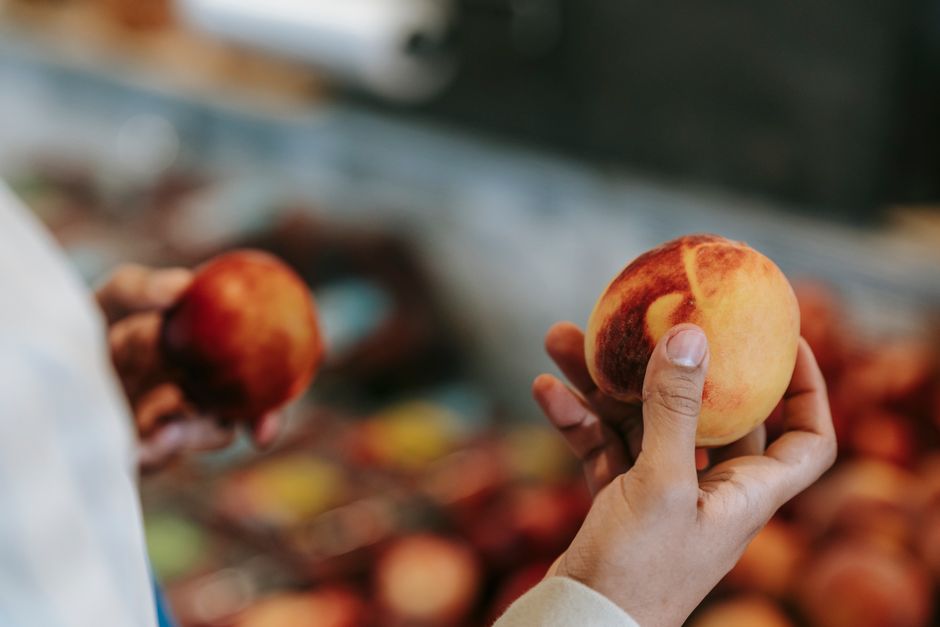
A ripe peach should drip down your chin. When it tastes dry and grainy instead, the fruit isn’t defective — it was picked too early, chilled too long, or grown on a tree that ran short of water during the weeks its fruit was swelling. Mealy texture comes from how the fruit’s cells are built and how they break down as the peach ripens, and most of the causes trace back to decisions made long before the peach reached your kitchen.
The good news is that mealiness is largely preventable at the orchard and storage level. At home, you have less control, but a few habits can help you avoid buying fruit that is already headed toward a dry, chalky bite.
What Actually Makes a Peach Mealy?
Mealiness is a texture problem inside the fruit’s cell structure. A ripe, juicy peach has cells held loosely together by a gel-like middle layer called the middle lamella. As the fruit ripens, enzymes break that layer down, the cells separate, and the flesh turns soft and wet.
In a mealy peach, that breakdown doesn’t happen properly. The cells stay clumped together, and the flesh feels dry and grainy rather than melting. Some of the cell walls also stiffen in a way that keeps the fruit firm even when it looks ripe on the outside.
This is why mealiness can fool you. A mealy peach may look perfectly ripe, smell sweet, and even give slightly to a gentle squeeze. The problem is at the microscopic level, and your fingers can’t detect it.
One clarification worth knowing: mealiness is not the same as being underripe. An underripe peach is firm and starchy. A mealy peach has often been through the ripening process, but the ripening went wrong in a specific way.
Why Does Cold Storage Cause Mealiness?
Refrigeration is the leading cause of mealiness in peaches sold in the United States. Peaches are what researchers call chilling-sensitive fruit, and prolonged cold exposure disrupts the normal ripening process.
The mechanism is reasonably well understood. Peaches are typically stored cold after harvest to slow spoilage during shipping and shelf life. But below a certain temperature range, the enzymes that normally soften the fruit and break down cell walls stop working correctly. When the peach is later brought to room temperature, it may soften unevenly or not at all, leaving that dry, woolly texture.
This creates a real tension in the supply chain. Cold storage keeps peaches from rotting during long-distance transport. But the longer and colder the storage, the higher the risk of mealiness. Fruit shipped short distances and stored briefly tends to fare better than fruit that sat in a cold warehouse for an extended period.
For shoppers, this has a practical implication. A peach that has traveled a long way to reach a grocery store in winter or early spring is more likely to be mealy than a local peach sold in season. That’s not a guarantee, but it is a reasonable pattern to expect.
How Does Harvest Timing Affect Peach Texture?
Peaches picked too early rarely develop good texture, even if they soften somewhat after picking. This is because peaches are what’s called climacteric fruit — they continue ripening after harvest, but only within limits.
A peach picked before it reaches a certain stage of maturity can gain color and soften, but it will not develop the full sugar content or the proper cell-wall breakdown that makes a peach juicy. The result is often a fruit that looks ripe but eats dry and grainy.
Commercial harvesting often picks fruit on the firmer side to survive packing and shipping. This trade-off protects the fruit from bruising, but it raises mealiness risk. Growers who pick closer to full maturity and sell locally tend to produce better-textured fruit, though it also has a shorter shelf life.





Can Growing Conditions Make Peaches Mealy?
Yes. Water availability during the final weeks of fruit growth matters a great deal. When a peach tree experiences drought stress while its fruit is swelling, the fruit can end up with less water content and a denser, drier flesh.
Soil and nutrition play a role too. Trees that are poorly nourished or growing in unbalanced soil may produce fruit with weaker cell structure. Some research suggests that calcium availability affects how well peach cell walls hold together during ripening, though the relationship is not fully settled and varies by orchard.
Weather at harvest also matters. A stretch of cool, cloudy weather near ripening can slow the fruit’s development and affect texture. Heat and sun exposure, by contrast, tend to support better sugar development and juicier flesh.
How Can You Tell a Mealy Peach Before Buying It?
Honestly, you often can’t tell with certainty from the outside. Mealiness is a hidden texture problem, and a peach can look flawless while eating dry. But a few cues raise your odds of avoiding it.
- Smell matters most. A ripe peach should have a clear, sweet fragrance at the stem end. A peach with almost no smell is more likely to be underripe or poorly ripened.
- Gentle pressure, not a hard squeeze. A ripe peach gives slightly under light pressure near the stem. A rock-hard peach is underripe. A very soft one may be overripe.
- Look for local and in-season fruit. Peaches sold close to where they were grown usually spent less time in cold storage.
- Avoid fruit with a greenish shoulder. The area around the stem should have colored up evenly. Green patches suggest early picking.
None of these are guarantees. They are probability tools, not tests.
What Can You Do at Home to Prevent Mealiness?
Once a peach is mealy, you cannot reverse it. The cell structure is already set. But you can reduce the chance of making a good peach go mealy, and you can avoid buying fruit that is already on that path.
Ripen at room temperature first
If you buy firm peaches, leave them on the counter at room temperature until they soften and smell sweet. This allows the natural ripening process to complete before cold exposure. Ripening in a paper bag can speed this up by trapping the ethylene gas the fruit naturally releases.
Refrigerate only after ripening
Put peaches in the refrigerator only once they are fully ripe, and eat them within a few days. This shortens cold exposure and lowers mealiness risk. Peaches left in the fridge while still firm are the ones most likely to turn mealy.
Buy in season and buy local when you can
Peaches at peak season from nearby orchards generally have shorter storage times and better texture. This is the single most reliable way to reduce your odds of a mealy bite.
Handle gently
Bruising damages cell walls and can affect texture. Store peaches in a single layer, not piled on top of each other.
Is a Mealy Peach Safe to Eat?
Yes. Mealiness is a texture and quality issue, not a safety issue. A mealy peach is not spoiled, and it does not indicate contamination.
That said, mealy peaches are unpleasant to eat raw. They work better cooked — in pies, cobblers, jams, or sauces — where added moisture and sugar compensate for the dry flesh. Some people also blend them into smoothies.
Watch for actual spoilage signs instead: mold, a sour or fermented smell, or flesh that has turned brown and mushy. Those are different from mealiness and mean the fruit should be discarded.
Why Do Some Peaches Stay Juicy After Cold Storage?
Chilling sensitivity varies by variety. Some peach cultivars are bred or selected to tolerate cold storage better than others, and they hold their texture longer. This is a real area of agricultural research, because the industry would like fruit that ships well without turning mealy.
White peaches and some yellow varieties differ in how they respond to cold. Growing conditions, harvest maturity, and storage duration all interact with the variety’s natural tendencies. That’s why two peaches from the same store can eat completely differently — they may have different genetics and different histories.
Frequently Asked Questions
Can you fix a mealy peach?
No. Once a peach turns mealy, the texture cannot be reversed. Cooking or blending it can make it more usable, but the dry, grainy quality will remain.
Does putting peaches in the fridge make them mealy?
Long cold storage is a leading cause of mealiness. Refrigerating firm, unripe peaches raises the risk, so it’s better to ripen them at room temperature first and then chill them briefly.
Are mealy peaches underripe?
Not necessarily. A mealy peach may have ripened but developed the wrong texture, often from cold storage or early harvest. Underripe peaches are firm and starchy, which is a different problem.
How do you pick a peach that isn’t mealy?
Choose fruit with a strong sweet smell at the stem end and slight give under gentle pressure. In-season, locally grown peaches are your best bet, since they spend less time in cold storage.
