
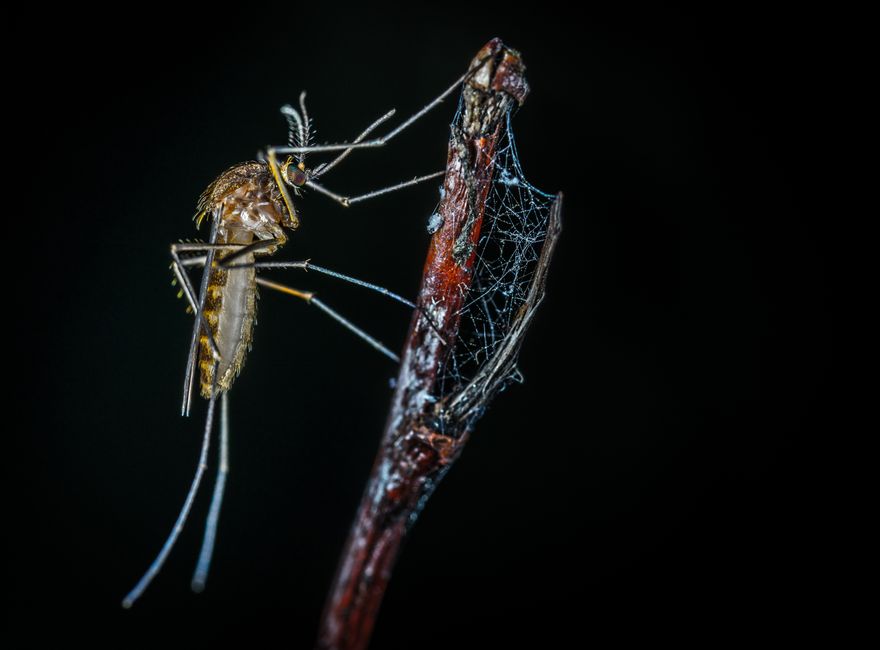
A mosquito bite does not itch because the mosquito is doing something to your skin right then. It itches because your own immune system reacts to proteins in the mosquito’s saliva — and that reaction is what you feel as a raised, itchy bump. The itch is a side effect of your body’s defense response, not the bite itself.
Understanding why this happens explains a lot: why the bump appears minutes after the bite, why it can keep itching for days, why some people barely react, and why scratching makes everything worse.
What Actually Happens When a Mosquito Bites You?
A female mosquito needs blood to develop her eggs, so she lands on skin and inserts a bundle of thin needles into the tissue beneath it. One channel delivers saliva into your skin while another draws blood up. The saliva contains proteins that keep your blood flowing and stop it from clotting — without them, the mosquito could not feed.
Your body does not recognize those proteins. Within seconds, immune cells in the skin treat them as foreign invaders. That sets off the reaction most people call a mosquito bite.
Only female mosquitoes bite. Males feed on plant nectar and never take blood.
What Makes Mosquito Bites Itch?
The itch comes from histamine, a chemical your immune cells release when they detect the mosquito’s saliva proteins. Histamine does several things at once. It widens small blood vessels, which brings more immune cells to the area. It makes vessel walls leaky, so fluid collects in the tissue. And it binds to nerve endings in the skin that carry itch signals to the brain.
That combination produces the familiar result: a swollen, warm, pink bump that itches. The swelling is fluid. The itch is nerve signaling. Both are driven by the same immune response.
This is why antihistamine medications can reduce itching. They block histamine from reaching its receptors, so the nerve signal weakens. They do not remove the saliva or undo the bite — they interrupt the pathway that produces the sensation.
Why Do Some People React More Than Others?
Reaction to mosquito bites changes with age and exposure. Children who have never been exposed tend to have little or no reaction at first. After repeated bites, the immune system learns to respond faster and more strongly, and the typical itchy bump appears. With years of continued exposure, many adults become less reactive again.
This pattern is well documented in immunology. It is one reason a person who grew up in one region may react intensely to mosquitoes in a new region, while long-term residents barely notice bites.
Some people have a rare condition called skeeter syndrome, in which bites cause large, swollen, warm areas that can look like an infection. It is an allergic response to mosquito saliva proteins, not an infection. It is uncommon and is diagnosed by a doctor.





Why Does Scratching Make It Worse?
Scratching feels good for a moment because it briefly overrides the itch signal with a pain signal. But it also damages the skin and triggers more histamine release, which restarts the itch. That is the itch-scratch cycle, and it is why scratching a bite often leaves it itchier than before.
Broken skin also opens a door for bacteria. Scratching a bite until it bleeds can lead to a skin infection, which is a real risk in children and in anyone with a weakened immune system.
How Long Do Mosquito Bites Itch?
Most bites itch for a few hours to a few days. The initial reaction peaks within about 20 minutes and then fades. A second, slower reaction can follow and last longer — sometimes several days — as immune cells continue to arrive at the site.
Timelines vary widely between people. A bite that itches for two days in one person may bother another for a week. If a bite is still intensely itchy after a week, or if the area is spreading, hot, or painful, that is worth having a doctor look at.
What Helps a Mosquito Bite Stop Itching?
The most reliable approach is to interrupt the histamine pathway rather than the skin surface. Options that have reasonable evidence behind them include:
- Oral antihistamines — these block histamine receptors throughout the body and are the standard treatment for itch from insect bites. Nonsedating options are available over the counter.
- Cold compresses — cooling the skin reduces nerve signaling and can calm the itch temporarily.
- Topical hydrocortisone — a mild steroid cream can reduce local inflammation. It works best when applied early.
- Not scratching — the single most effective step, and the hardest one to follow.
Some clinicians recommend calamine lotion or oatmeal baths for general itch relief. These are widely used and generally safe, though the evidence for them specifically in mosquito bites is limited.
Home remedies like applying toothpaste, mud, or baking soda paste circulate widely online. No clinical evidence confirms these work better than a cold compress.
Does Everyone Get an Itchy Reaction?
No. Roughly a small share of adults have no reaction at all to mosquito bites, and young children often show little response until they have been bitten repeatedly. The immune system has to learn the saliva proteins before it can react to them.
This means the absence of an itchy bump does not mean you were not bitten. It may simply mean your immune system has not mounted a response — or has learned to stop mounting one.
When Is a Mosquito Bite More Than an Itch?
Mosquitoes can transmit serious diseases, including West Nile virus, dengue, chikungunya, and malaria, depending on where you are. The itch itself is not a sign of infection — it is a sign of an immune reaction. But certain symptoms after a bite warrant medical attention:
- Fever, chills, or body aches in the days after being bitten
- A rash that spreads beyond the bite site
- Severe headache, confusion, or neck stiffness
- A bite area that becomes hot, swollen, and painful, which may indicate a skin infection
Skeeter syndrome can also cause swelling large enough to be mistaken for an infection. A doctor can tell the difference.
If you live in or travel to an area where mosquito-borne disease is common, protecting yourself from bites is the main way to reduce risk. Repellents containing DEET or picaridin are recommended by public health agencies, and the CDC maintains guidance on which products are effective.
Why Do Mosquitoes Bite Some People More?
Mosquitoes use several cues to find a host: carbon dioxide from your breath, body heat, and chemicals in your skin. People who exhale more carbon dioxide — larger adults, for example — tend to attract more mosquitoes. So do people who produce certain skin compounds, including lactic acid.
Blood type may play a role. Some studies suggest mosquitoes land more often on people with type O blood, though the effect appears modest and results vary between studies.
What does not have strong evidence: eating bananas, taking vitamin B supplements, or drinking beer as reliable ways to repel mosquitoes. These are commonly repeated but not well supported.
Do Mosquito Bites Itch More at Night?
Bites often feel itchier at night, but the bite itself is not changing. Several things explain the difference. Distraction is lower when you are lying still, so the itch signal gets more attention. Skin temperature rises under covers, and warmth can increase itch perception. Histamine release also follows a daily rhythm, and some research suggests it peaks in the evening.
None of this means the bite is worse at night. It means your perception of it is.
Can You Prevent the Itch Before It Starts?
Prevention works better than treatment. Avoiding bites in the first place means no saliva, no immune reaction, and no itch.
Measures with solid evidence behind them include using an EPA-registered repellent, wearing long sleeves and pants in areas with heavy mosquito activity, and removing standing water around your home, since that is where mosquitoes breed. Window screens and bed nets reduce exposure indoors and while sleeping.
There is no vaccine or medication that prevents the itch from mosquito bites. Some research has looked at whether antihistamines taken before exposure reduce the reaction, but results are not strong enough to support this as a general recommendation.
Frequently Asked Questions
What makes mosquito bites itch?
Your immune system releases histamine in response to proteins in mosquito saliva, and histamine triggers itch signals in the skin. The itch is your body’s reaction, not the bite itself.
How long does a mosquito bite itch?
Most bites itch for a few hours to a few days, though this varies widely between people. A bite that is still intensely itchy after a week is worth checking with a doctor.
Why does scratching a mosquito bite make it worse?
Scratching damages the skin and triggers more histamine release, which restarts the itch. It also raises the risk of a skin infection.
Do mosquito bites itch more at night?
They often feel itchier at night because there are fewer distractions and skin warmth increases itch perception. The bite itself is not changing.
Does everyone react to mosquito bites?
No. Some adults have little or no reaction, and young children often show no response until they have been bitten repeatedly. The immune system has to learn the saliva proteins first.
