
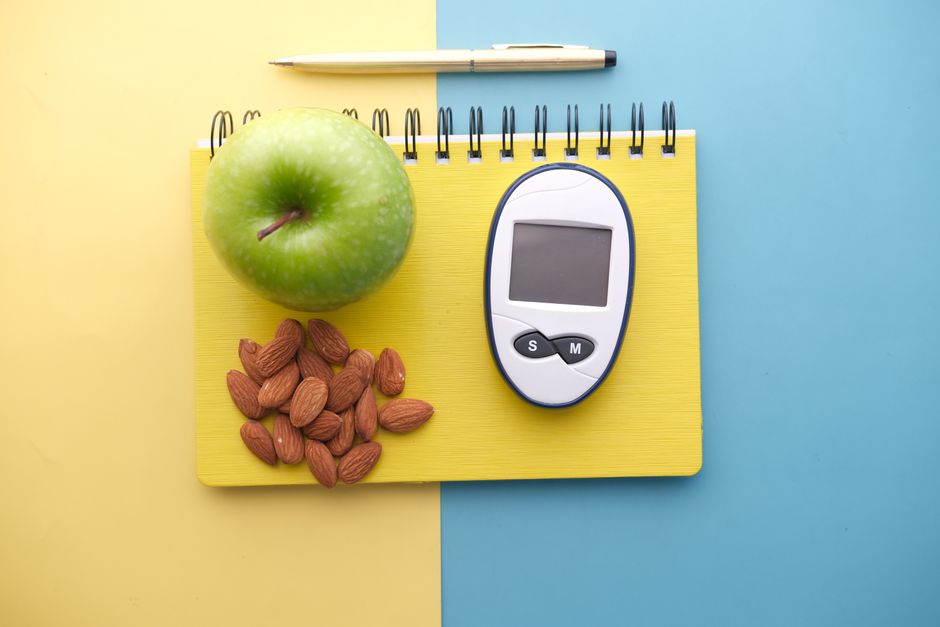
Blood sugar is not controlled by one organ or one signal. It is the product of a constant conversation between what you eat and a set of hormones that decide whether glucose gets stored, burned, or released. When that conversation goes wrong, glucose climbs. The hormones most responsible are insulin, glucagon, cortisol, epinephrine, and the incretin hormones GLP-1 and GIP. Each one shifts blood glucose up or down, and the balance between them matters more than any single food.
What Makes Glucose High Foods Hormones More?
High glucose happens when the hormones that lower blood sugar cannot keep up with the forces raising it. Insulin is the only hormone that meaningfully pushes glucose out of the bloodstream and into cells. When insulin is low, delayed, or ignored by cells, glucose stays in circulation.
At the same time, several hormones actively push glucose up. Glucagon tells the liver to release stored glucose. Cortisol and epinephrine do the same under stress. So the final number on a glucose meter reflects a tug-of-war, not a single failure.
Food is the trigger. Hormones are the response. When the response is too weak, too slow, or overridden by stress hormones, glucose rises and stays elevated longer than it should.
How Does Insulin Normally Lower Blood Glucose?
Insulin is made by beta cells in the pancreas. After you eat, glucose enters the blood, and the beta cells release insulin in two phases. The first is a quick burst within minutes. The second is a slower, sustained release that lasts as long as glucose keeps arriving.
Insulin then acts like a key. It signals muscle and fat cells to take in glucose, and it tells the liver to stop making new glucose and start storing it instead. In a healthy system, this keeps blood glucose in a narrow range.
Fasting glucose in most healthy adults sits between 70 and 99 mg/dL. After a meal it can rise, but insulin brings it back down, usually within about two hours. That timing is a useful benchmark. When glucose is still high at the two-hour mark, it often points to a problem with insulin action rather than the meal itself.
What Is Insulin Resistance and Why Does It Raise Glucose?
Insulin resistance means muscle, fat, and liver cells stop responding well to insulin’s signal. The pancreas compensates by making more insulin. For a while, that works and glucose stays normal. Eventually the beta cells cannot keep up, and glucose begins to rise.
This is the core mechanism behind prediabetes and type 2 diabetes. It develops slowly, often over years, and usually without symptoms. That is why many people do not know their glucose is drifting upward until a routine blood test catches it.
Several factors are consistently linked to insulin resistance:
- Excess body fat, particularly around the abdomen
- Physical inactivity
- Chronic stress and poor sleep
- Certain medications, including some steroids
- Genetic predisposition and family history
One point worth separating out: eating sugar does not directly cause insulin resistance in the way many people assume. Chronically elevated insulin and glucose, often alongside excess fat storage, are what drive the process over time. The relationship is real but indirect.



Which Hormones Raise Blood Glucose?
Insulin is the only hormone that lowers glucose in any significant way. Several hormones raise it. Understanding them explains why stress, illness, and poor sleep can all push glucose up even when diet has not changed.
Glucagon is insulin’s main counterpart. Made by alpha cells in the pancreas, it signals the liver to release stored glucose between meals and overnight. When insulin is low or ineffective, glucagon can run unchecked and keep glucose high.
Cortisol is the body’s main stress hormone. It raises glucose by promoting glucose production in the liver and reducing insulin sensitivity in tissues. This is useful during short-term stress. When cortisol stays elevated for weeks or months, it can keep glucose persistently higher.
Epinephrine (adrenaline) triggers the rapid release of glucose during acute stress or danger. It is part of the fight-or-flight response and acts fast. This is why a sudden scare or intense exercise can spike glucose temporarily.
Growth hormone also raises glucose and reduces insulin sensitivity. It is released mostly during deep sleep. In people who already have insulin resistance, this can contribute to higher morning glucose readings.
How Do Gut Hormones Affect Glucose After Eating?
The gut releases its own hormones that shape the glucose response to a meal. The two best studied are GLP-1 and GIP, both called incretin hormones.
GLP-1 slows how fast the stomach empties, signals the pancreas to release insulin, and reduces glucagon. GIP also supports insulin release. Together they help the body handle a meal more smoothly. In type 2 diabetes, the insulin response to these incretins is often blunted.
This is why some diabetes medications target these pathways. It also helps explain why the same food can produce different glucose responses in different people. The gut hormone side of the equation is not identical from person to person.
Why Do Stress and Poor Sleep Raise Blood Sugar?
Stress and sleep both act through cortisol and epinephrine. A single stressful event raises glucose briefly. Ongoing stress keeps cortisol elevated and can steadily reduce insulin sensitivity.
Sleep matters more than most people expect. Short sleep and poor sleep quality are linked to higher fasting glucose and worse insulin sensitivity. Even a few nights of restricted sleep can shift glucose handling in healthy adults. The effect is measurable but usually reversible when sleep returns to normal.
This is one of the less obvious insights in this area. Two people can eat the same meal and see different glucose responses, partly because of sleep and stress load on that particular day. Diet is not the only variable, and it is not always the largest one.
When Do Hormone Problems Signal a Medical Condition?
Sometimes high glucose is not about diet or lifestyle at all. It comes from a hormone disorder that needs medical diagnosis.
In type 1 diabetes, the immune system destroys beta cells, so insulin production falls and glucose rises sharply. This can develop quickly and requires insulin treatment.
Cushing syndrome involves chronically high cortisol. It raises glucose and can lead to diabetes. It is uncommon but worth knowing about when glucose is high alongside other unusual symptoms.
Other conditions, including acromegaly (excess growth hormone) and certain pancreatic or adrenal tumors, can also drive glucose up through hormonal pathways. These are rare. A doctor can distinguish them from ordinary insulin resistance through testing.
If glucose is persistently high despite reasonable diet and activity, that is a reason to see a clinician. It is not a reason to assume the cause on your own.
Can You Change These Hormonal Signals?
Some of the hormonal drivers of high glucose respond to lifestyle. Physical activity improves insulin sensitivity, and the effect can last beyond the activity itself. Weight loss, where excess fat is present, improves insulin action in many people.
Sleep and stress management are not soft advice. They act on the same hormones that control glucose. Improving them can shift fasting glucose over time.
Diet still matters, but the mechanism is more about glucose load and timing than about any single food. Meals that combine carbohydrates with protein, fat, and fiber tend to produce a slower glucose rise than the same carbohydrates eaten alone.
What no lifestyle change can do is replace insulin in type 1 diabetes or correct a hormone disorder. Those require medical treatment. Lifestyle changes support the hormonal system. They do not override a broken one.
What the Evidence Does and Does Not Show
The roles of insulin, glucagon, cortisol, and epinephrine in glucose control are well established. The incretin hormones are also well studied. There is strong consensus on these mechanisms.
Where the evidence is more mixed is in the details. How much any single factor, such as sleep or stress, contributes to glucose in a given person is not fully predictable. The interactions between hormones are complex, and individual responses vary.
What is clear is that high glucose is rarely about one hormone or one food. It is about a system, and that system responds to many inputs at once.
Frequently Asked Questions
What hormone is most responsible for high blood sugar?
Insulin problems are the main driver, either because the body makes too little or because cells stop responding to it. Glucagon, cortisol, and epinephrine can raise glucose further when they are not balanced by insulin.
Can stress alone raise blood glucose?
Yes. Cortisol and epinephrine both raise glucose, and ongoing stress can reduce insulin sensitivity over time. Short-term spikes are normal, but persistent stress can keep glucose higher for longer.
Does eating sugar cause insulin resistance?
Not directly. Insulin resistance develops over years from a mix of factors, including excess body fat, inactivity, and genetics, with chronically elevated insulin and glucose playing a role. Sugar alone is not the sole cause.
Why is my morning blood sugar high even when I eat well?
Overnight hormone activity, including growth hormone and cortisol, can raise glucose before you eat anything. This is common and does not always mean your diet is the problem.
