
Digestion starts before food reaches your stomach. Chewing breaks food into smaller pieces, saliva begins breaking down starches, and the stomach then churns everything into a liquid mix called chyme. How fast food moves through this system depends on factors you can partly control and partly cannot. The biggest ones are meal size, food texture, fat and fiber content, how well you chew, and how hydrated you are. Smaller meals, softer textures, and less fat tend to move through faster. Large, fatty, or very high-fiber meals slow the process down. And some of what you read online about “speeding up digestion” is not accurate. Here is what the physiology actually supports.
What Makes Food Digest Faster Tips That Work?
The tips that genuinely affect digestion speed are practical and unglamorous. They work because they change the physical and chemical load on your gut, not because they “boost metabolism” or “detox” anything.
- Chew thoroughly. Smaller particles leave the stomach sooner. This is one of the few things entirely in your control.
- Eat smaller meals. A large meal stretches the stomach and empties more slowly than a modest one.
- Reduce fat per meal. Fat is the macronutrient that slows stomach emptying the most.
- Cook vegetables rather than eating them raw. Heat softens fiber structure, which can make some vegetables easier to process.
- Stay hydrated with water. Fiber needs water to move smoothly through the colon.
- Walk after eating. Light movement supports normal gut motility. Vigorous exercise right after a big meal does not.
- Eat on a regular schedule. Your gut responds to routine.
Notice what is not on the list: enzymes sold as supplements, apple cider vinegar, “digestive teas,” and juice cleanses. More on those later.
How Does the Stomach Decide How Fast to Empty?
Stomach emptying is regulated by signals from the food itself and from hormones your gut releases in response. The stomach empties in a controlled, measured way — roughly the rate at which your small intestine can handle what arrives.
Three factors dominate. First, particle size: the stomach grinds food down, and pieces that are already small pass through the pyloric valve (the gateway to the small intestine) sooner. Second, calorie density and fat content: fatty foods trigger hormones that deliberately slow emptying. This is a normal, healthy response — it gives your small intestine time to digest fat properly. Third, meal volume: a larger meal takes longer overall.
One clarification worth making: slow stomach emptying is not automatically a problem. Fat slowing digestion is your body doing its job. The goal of “faster digestion” is usually about comfort and regularity, not about racing food through your system. If you have a diagnosed motility disorder, none of these tips replace medical guidance.
Does Chewing Really Matter That Much?
Yes — chewing is the single most direct lever you have over digestion speed. The stomach cannot grind food as finely as your teeth can, and larger particles take longer to break down and empty.
Chewing also mixes food with saliva, which contains an enzyme called amylase that starts breaking down starches. Swallowing half-chewed food shifts more work downstream and often leads to bloating and discomfort.
There is no official recommended number of chews per bite. Advice like “chew each bite 32 times” circulates widely but is not a clinical standard. The practical target is simpler: chew until the texture is uniform and you are not swallowing chunks. Putting your fork down between bites helps more than counting.
Why Do Some Foods Move Through Faster Than Others?
Foods differ enormously in how quickly they pass through your digestive tract. The main variables are fat content, fiber type, and physical texture.
Fat slows stomach emptying more than protein or carbohydrate. This is why a greasy meal can sit heavily for hours while a piece of fruit does not. Fiber is more nuanced. Soluble fiber — found in oats, beans, and some fruits — forms a gel in water and can slow transit. Insoluble fiber — found in wheat bran, vegetable skins, and whole grains — adds bulk and generally supports faster movement through the colon. Both are healthy. They just behave differently.
Texture matters too. A cooked carrot breaks down faster than a raw one. A smoothie moves through the stomach faster than the same ingredients eaten whole, because blending has already done some of the mechanical work. That is a real effect, not a myth.
Can Water, Fiber, and Movement Help Digestion?
Hydration and physical activity both support normal digestion, though neither works the way marketing suggests. Water does not “flush” food through your system. What it does is keep stool soft and help fiber do its job. Without enough fluid, a high-fiber diet can actually cause constipation rather than relieve it.
Light movement after a meal — a short walk, not a sprint — supports normal gut motility. Research on post-meal walking has focused mostly on blood sugar control, and some studies suggest gentle activity after eating can help with bloating and gas. Vigorous exercise immediately after a large meal can cause discomfort by diverting blood flow away from the gut.
Fiber deserves a caution. Increasing fiber too quickly, especially without matching water intake, commonly causes gas and bloating before it helps anything. Gradual increases over weeks are more comfortable than sudden jumps.
Do Digestive Enzyme Supplements Actually Speed Things Up?
For most healthy people, no. Your pancreas and small intestine produce ample digestive enzymes on their own. Over-the-counter enzyme pills sold for general “digestive support” have not been shown in large trials to speed digestion in people with normal digestive function.
The exception is specific medical conditions. People with pancreatic insufficiency — where the pancreas does not produce enough enzymes — do benefit from prescription enzyme replacement. That is a diagnosed condition managed by a doctor, not a supplement aisle purchase. Lactase supplements can help people with lactose intolerance break down lactose, which is a narrower and better-supported use.
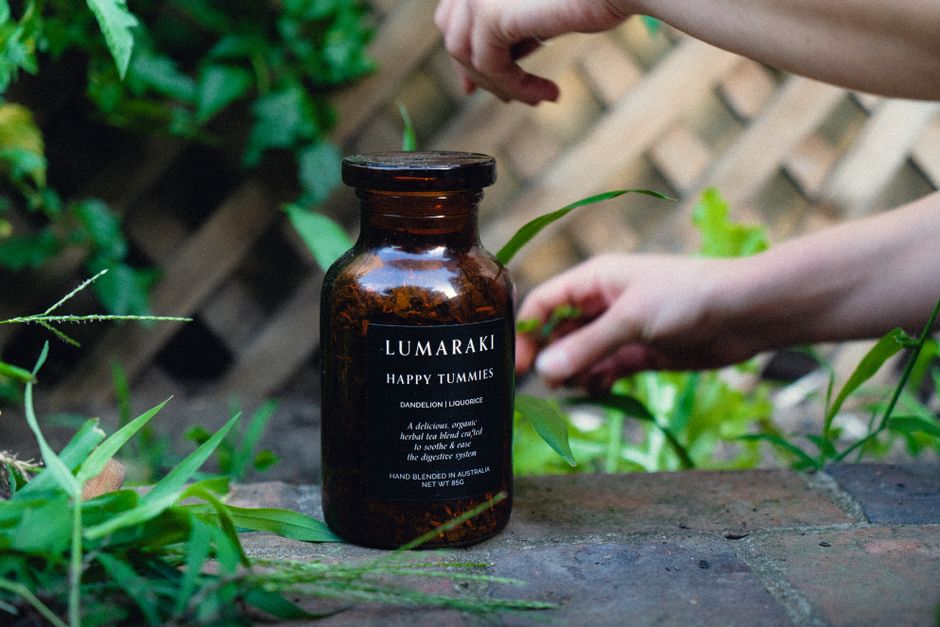
The evidence for apple cider vinegar, digestive teas, and “gut reset” products is thin to absent. No clinical evidence currently confirms these speed digestion in healthy adults. Some people report symptom relief, which is hard to separate from placebo. That is not a reason to dismiss their experience, but it is a reason not to spend money expecting a physiological effect.
What Slows Digestion Without You Noticing?
Several everyday habits slow digestion quietly. Eating quickly is the most common — it delivers large, poorly chewed pieces and often swallows air, which causes bloating. Eating large meals late at night is another; digestion slows naturally during sleep.
Stress is a real factor. The gut has its own extensive nervous system, and stress hormones can slow stomach emptying and change how the colon moves. This is well established, not speculative. Chronic stress and irregular eating schedules both affect gut function in ways people often do not connect to their symptoms.
Alcohol and very high-fat meals also slow stomach emptying. And some medications — including certain pain relievers, antidepressants, and antihistamines — list slowed digestion as a known side effect. If digestion feels consistently slow and you take regular medication, that is worth raising with a pharmacist or doctor.
When Is Slow Digestion a Medical Issue?
Occasional slow digestion after a heavy meal is normal. Persistent symptoms are not something to manage with tips alone.
See a doctor if you have ongoing nausea, vomiting, bloating that does not resolve, a feeling of fullness after only a few bites, unexplained weight loss, or constipation that does not respond to fiber, fluids, and activity. These can point to conditions such as gastroparesis (delayed stomach emptying), irritable bowel syndrome, or other motility disorders. Diagnosis requires medical evaluation, not self-treatment.
This is where honest information matters most. The tips in this article support normal digestion in healthy people. They are not a treatment for a digestive disorder, and no supplement or dietary trick substitutes for a proper diagnosis when symptoms persist.
Frequently Asked Questions
What foods digest the fastest?
Foods low in fat and high in water content tend to empty from the stomach fastest, such as fruit, cooked vegetables, and lean proteins. Simple carbohydrates generally move through faster than fatty or high-fiber foods.
Does drinking water during meals slow digestion?
No, drinking water with meals does not slow digestion in healthy people. Water actually helps fiber move through your system and keeps stool soft.
How long does food take to digest?
Stomach emptying typically takes a few hours, and total transit through the digestive tract usually ranges from about one to several days depending on the person and the meal. Fat and large meal size lengthen the process.
Do digestive enzyme supplements help you digest food faster?
For most healthy people, no — the body already produces enough enzymes, and large trials have not shown general enzyme supplements speed digestion. They are useful mainly for diagnosed conditions like pancreatic insufficiency.
