
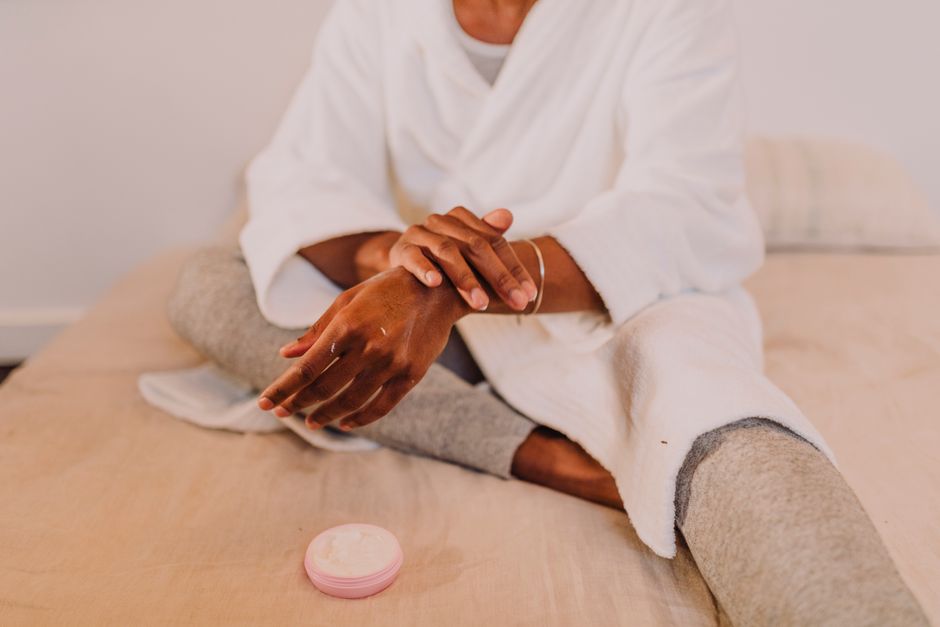
Eczema is a chronic inflammatory skin condition, and the redness, itching, and cracking it causes don’t appear at random. Flares happen when the skin’s outer barrier is already weakened and something disrupts it further — an irritant, an allergen, dry air, stress, or an infection. In most people with eczema, several triggers overlap at once rather than one single cause. Understanding what your skin reacts to is the foundation for managing it.
Why Does Eczema Flare Up in the First Place?
Eczema is not a surface problem. It starts with a compromised skin barrier and an immune system that overreacts to things that would not bother most people.
The outermost layer of skin acts as a wall. In people with eczema, that wall has gaps. A protein called filaggrin, which helps hold the skin barrier together, is often reduced or altered — sometimes because of a genetic variant, sometimes for other reasons. When the barrier is leaky, moisture escapes and irritants and allergens get in.
Once something crosses that barrier, immune cells respond. In eczema the response is exaggerated, and it produces inflammation. That inflammation causes the itch, and scratching damages the barrier further. This is why eczema is often described as an “itch-scratch cycle.” The skin gets itchier, the person scratches, the barrier breaks down more, and the inflammation worsens.
This helps explain something many people find confusing: a trigger doesn’t create eczema. It exposes a vulnerability that was already there. Two people can walk through the same dusty room or use the same soap, and only one flares. The difference is the state of their skin barrier and immune response, not the trigger itself.
What Makes Eczema Flare Up Most Often?
Triggers fall into a few broad groups. Most people with eczema react to more than one, and which ones matter varies from person to person.
Irritants
These damage the skin barrier directly and are among the most common triggers. Frequent culprits include soaps, body washes, shampoos, household cleaners, and detergents. Fragrances and preservatives in personal care products are frequent offenders. So are fabrics like wool and synthetic fibers that rub against the skin.
Water itself can be an irritant. Long or hot showers strip oils from the skin and worsen dryness. This is why many dermatologists advise short, lukewarm showers rather than long hot ones — a widely recommended practice, though the evidence comes more from clinical experience than from large trials.
Allergens
These trigger an immune response rather than directly damaging the skin. Common ones include dust mites, pet dander, pollen, and mold. Certain foods can act as allergens in some people, particularly young children with moderate to severe eczema.
Food is often blamed for eczema more than the evidence supports. Food allergy is more common in children with eczema than in children without it, but most eczema flares in adults are not caused by food. When food is a genuine trigger, it usually shows up as a reaction within minutes to hours of eating, not as a slow worsening over days.
Environmental and Climate Factors
Low humidity dries the skin and is a common reason eczema worsens in winter. Heat and sweating can also trigger itching. Some people flare in summer and improve in winter, while others are the opposite. Individual patterns vary.
Stress and Sleep
Psychological stress is a well-recognized trigger for eczema flares. The relationship is real but not fully understood. Stress appears to affect the immune system and skin barrier function, and it also tends to increase scratching behavior. Poor sleep is linked in both directions — flares disrupt sleep, and poor sleep makes flares more likely.
Skin Infection
Bacteria, particularly Staphylococcus aureus, commonly colonize the skin of people with eczema. An infection can trigger a flare or make an existing one worse. Signs include increased redness, oozing, crusting, and warmth. This is one reason eczema that suddenly worsens should be checked by a clinician.
Does Diet Cause Eczema Flares?
For most adults with eczema, diet is not a major driver of flares. The evidence for broad dietary triggers is limited, and elimination diets carry real risks if followed without guidance.
The picture is somewhat different in young children. Some children with moderate to severe eczema also have food allergies, and in those cases removing the culprit food — under medical supervision — can improve the skin. Cow’s milk, egg, peanut, wheat, and soy are among the most commonly implicated foods in children. This does not mean every child with eczema has a food allergy, and it does not mean removing foods will help most children.
Restricting foods without confirmed allergy can lead to nutritional gaps, especially in children. Testing should be done with a clinician rather than by trial and error at home.
Claims that specific supplements, probiotics, or “anti-inflammatory” diets cure eczema are not supported by strong evidence. Some studies suggest probiotics may modestly reduce eczema risk in infants when given early, but the evidence is mixed and results vary across trials. No supplement has been shown to reliably treat eczema in adults.
What About Weather, Water, and Everyday Products?
Everyday exposures are behind many flares, and they are often the easiest to change.
Hard water — water high in calcium and magnesium — has been linked in some studies to worse eczema in children. The evidence is not conclusive, but the finding has appeared in more than one study. A water softener is sometimes suggested, though it is not proven to help everyone.
Swimming pools are a mixed case. Chlorine can irritate eczema, but some people tolerate chlorinated water well. Rinsing off after swimming and moisturizing afterward is a reasonable approach that most dermatologists support.
Laundry detergents, fabric softeners, and dryer sheets are frequent irritants. Fragrance-free and dye-free options are generally better tolerated, though “free and clear” products are not automatically safe for every person with eczema.
One point worth clarifying: “hypoallergenic” is a marketing term, not a regulated medical claim. It does not guarantee a product will not trigger a reaction. Reading the ingredient list and patch-testing new products on a small area is more reliable than trusting the label.
How Do You Figure Out Your Own Triggers?
There is no single test that identifies eczema triggers. Finding yours usually takes observation over time.
A practical approach is to keep a simple log for a few weeks. Note when flares happen and what changed in the days before — new products, weather shifts, stress levels, travel, or diet changes. Patterns often emerge that are hard to see in the moment.
Change one thing at a time. If you switch soap, detergent, and moisturizer all at once and the skin improves, you won’t know which change mattered. If it worsens, you won’t know which one caused it.
Patch testing, done by a dermatologist or allergist, can identify contact allergies to specific substances. It is not useful for identifying food triggers or environmental ones like stress.
What Actually Helps Prevent Flares?
Prevention centers on protecting the skin barrier. This is well established: when the barrier is supported, flares tend to be less frequent and less severe.
Moisturizing is the foundation. Emollients — thick creams and ointments rather than thin lotions — help seal the skin and reduce water loss. Applying them within a few minutes of bathing, while the skin is still damp, is a widely recommended practice. Fragrance-free products are generally preferred because fragrance is a common irritant.
Bathing habits matter. Short, lukewarm showers and gentle, fragrance-free cleansers are less drying than long hot showers and harsh soaps. Some dermatologists recommend diluted bleach baths for people with frequent infections, though this should be discussed with a clinician rather than done independently, since concentration matters.
For people with moderate to severe eczema, prescription treatments — topical corticosteroids, topical calcineurin inhibitors, and in some cases newer biologic medications — are used to control inflammation. These are not cures, and they work best alongside barrier care rather than instead of it.
Managing stress and sleep is not a substitute for treatment, but it is a legitimate part of flare prevention for many people. The evidence for stress reduction specifically reducing eczema flares is not strong enough to present as proven, but the link between stress and flares is well recognized.
Frequently Asked Questions
What is the most common trigger for eczema flares?
Irritants like harsh soaps, fragrances, and dry air are among the most common triggers. Individual triggers vary, and most people react to more than one.
Can stress cause eczema to flare up?
Stress is a well-recognized trigger for eczema flares, though the exact mechanism is not fully understood. It appears to affect both immune function and skin barrier health.
Does food cause eczema flares in adults?
For most adults, food is not a major cause of eczema flares. Food allergies are more relevant in some young children with moderate to severe eczema.
Why does eczema get worse in winter?
Low humidity and indoor heating dry out the skin, which weakens the barrier and makes flares more likely. Consistent moisturizing helps counter this.
